Dual-band vs. tri-band routers: What’s the difference between them?
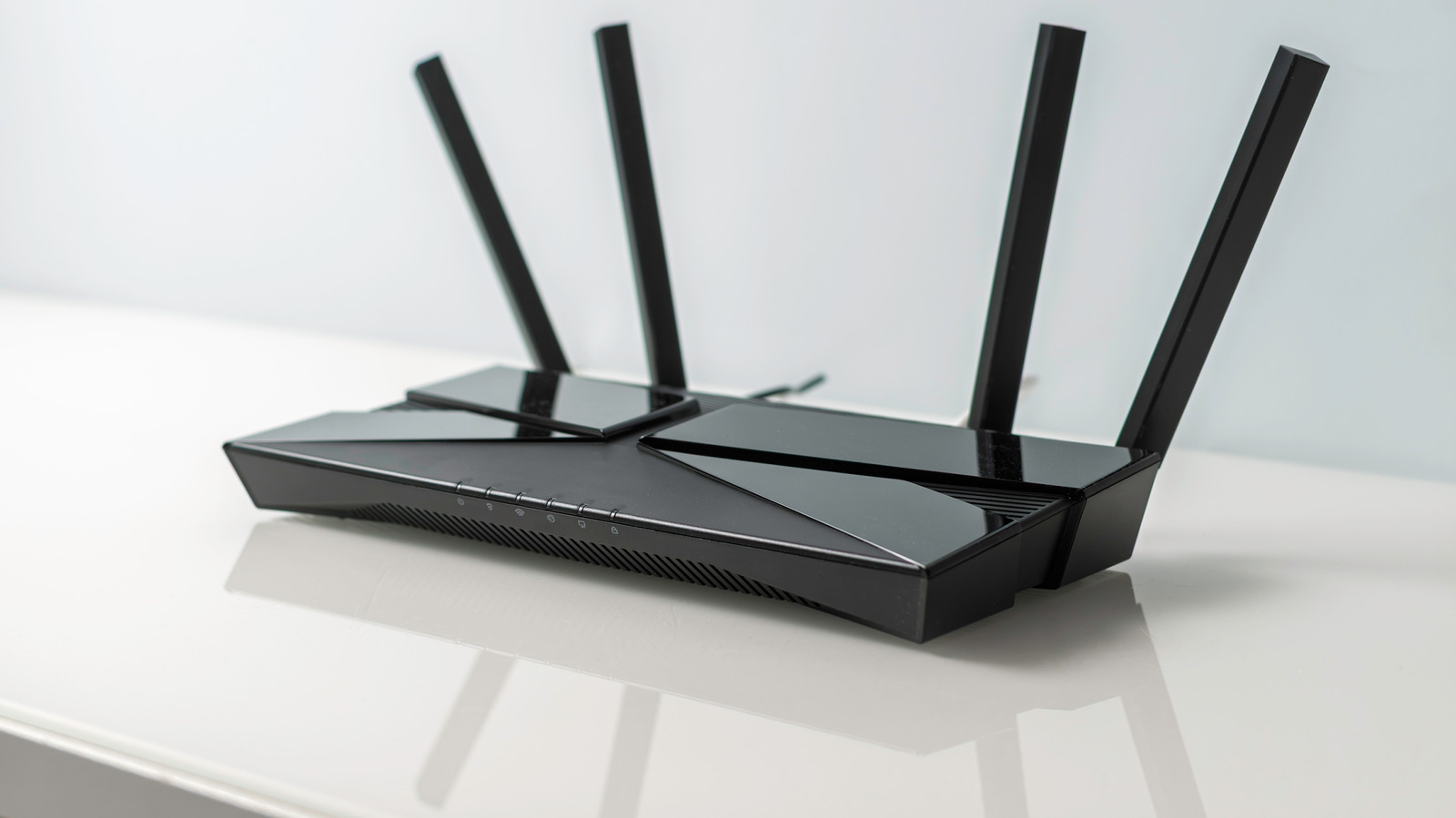
Choosing a router today means navigating jargon such as dual-band, tri-band, Wi-Fi 6E and 6GHz, which can confuse shoppers who simply want reliable internet. Understanding the difference matters because it determines whether a household needs a costlier tri-band upgrade or can manage perfectly well with a standard dual-band model, depending on how many devices and users are competing for bandwidth at once.
Dual-band routers use one 2.4GHz and one 5GHz band, while tri-band routers add a second 5GHz band, or, in newer Wi-Fi 6E and 7 models, a separate 6GHz band; each band acts like a highway lane, with 2.4GHz offering longer range but slower, more congested speeds, and 5GHz and 6GHz offering faster, less crowded but shorter-range connections. The main benefit of tri-band is extra capacity for busy households, such as ones with five or more people simultaneously streaming, gaming and video-calling, and it particularly benefits mesh networks, where the third band can be dedicated to node-to-node communication rather than competing with everyday devices for bandwidth.
- Dual-band routers use two bands; tri-band routers add a third.
- Tri-band suits busy, device-heavy homes and mesh Wi-Fi setups.
- Ordinary households often manage fine with a dual-band router.