World news and discussion on TalkFuse.
Dune has nothing on 2026’s wildest sci-fi movie release — watch the trailer
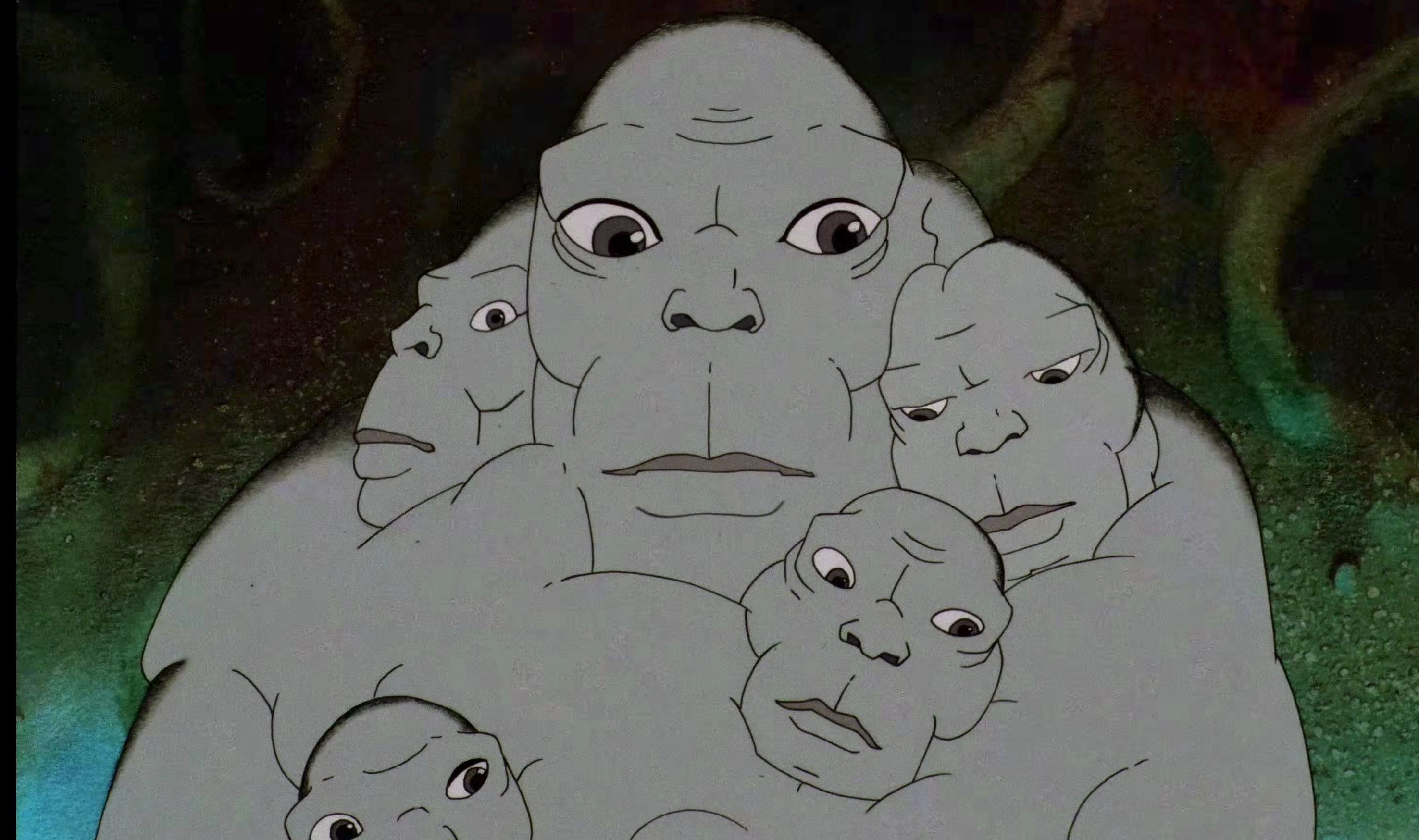
French animator René Laloux's 1987 feature Gandahar—a psychedelic science-fiction epic about warriors battling mechanical invaders and traveling through time to confront a cosmic antagonist—will return to U.S. cinemas in August 2026 via Janus Films' newly restored 4K transfer. The film depicts a distant world where peace-loving inhabitants face annihilation by an army of automata and mutant races, sending one warrior on an odyssey across alien landscapes. Though Laloux's earlier work Fantastic Planet became celebrated, Gandahar languished in obscurity after its U.S. theatrical debut was severely edited and poorly distributed, surviving only in degraded home-video formats.
Laloux, who began as a woodcarver before pioneering experimental animation through psychiatric-patient collaborations, created a visually stunning film renowned for imaginative character design and surreal imagery. The 4K restoration represents a significant upgrade from the deteriorated versions accessible on streaming platforms, allowing contemporary audiences to experience the filmmaker's distinctive aesthetic as intended. The restoration launches in New York City on August 21 before expanding nationally.
In short
- René Laloux's 1987 animated sci-fi film Gandahar receives a restored 4K theatrical re-release starting August 21, 2026, making a previously obscure visionary work newly accessible
- The film features surreal alien worlds and imaginative creature design; Janus Films' restoration improves vastly upon degraded home-video versions long available to audiences
Explained simply
Gandahar is a 1987 animated science-fiction film by French animator René Laloux. The film depicts a distant world where peaceful inhabitants face annihilation from an army of mechanical invaders and mutant creatures, with the story following one warrior's journey across alien landscapes to confront the threat.
René Laloux was an experimental filmmaker who pioneered innovative animation techniques through collaborations with psychiatric patients. His earlier work Fantastic Planet became celebrated, but Gandahar was heavily edited and poorly distributed when released in the United States, after which it largely disappeared from circulation except in degraded home-video formats.
The film has remained largely inaccessible to audiences since its original distribution failure, surviving only in poor-quality home versions. A 4K restoration is now making it possible for viewers to see Gandahar in significantly better quality than has been available in recent decades.