Dwarf Fortress creator says we have a natural lean towards human-made stories, but ‘but we’re all going to be very sorely tested in the coming years’ by AI
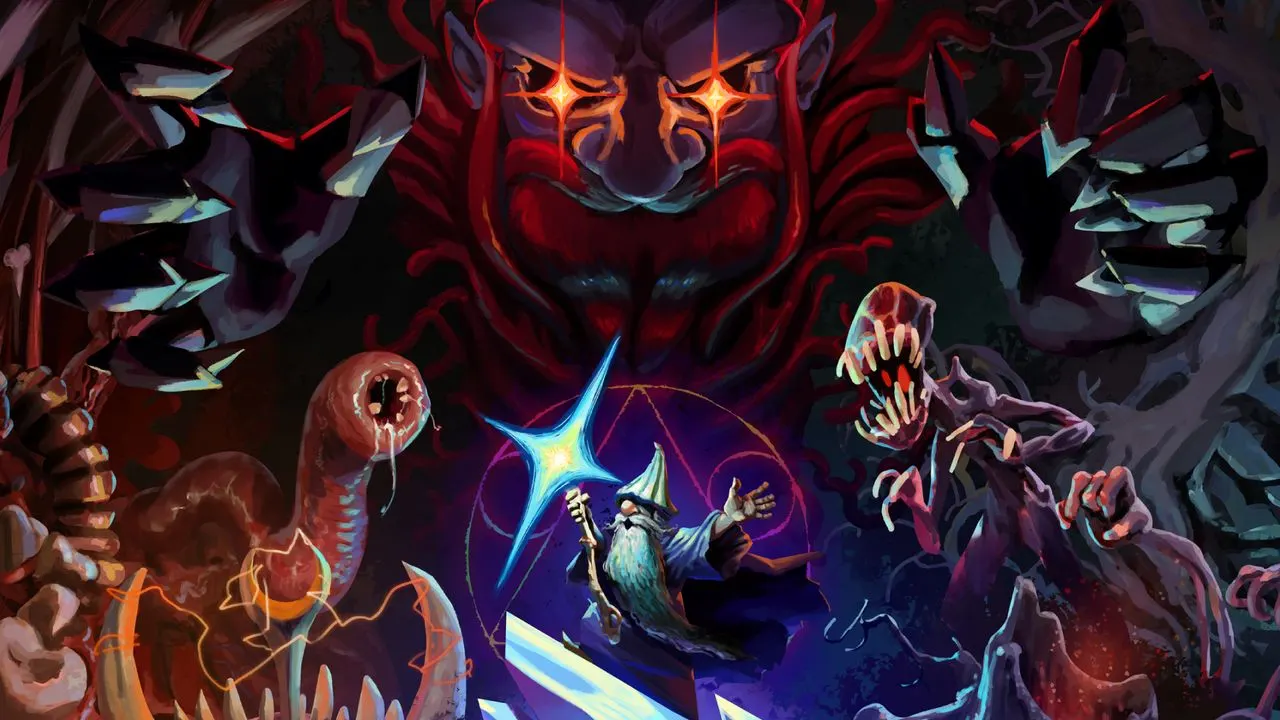
Tarn Adams, co-creator of the acclaimed procedurally generated game Dwarf Fortress, has said that while people naturally gravitate towards stories made by humans, this preference is likely to face serious pressure as artificial intelligence becomes more embedded in creative industries. His comments touch on a growing debate within game development and the wider creative sector about how AI-generated content might compete with, or erode trust in, human-crafted narratives and art.
Adams is known for building Dwarf Fortress with his brother Zach, a game celebrated for its deeply emergent, human-designed storytelling systems rather than AI-driven content generation. His remarks suggest a cautious outlook: even though audiences currently favour authentic human authorship, he expects that instinct to be increasingly challenged as AI tools become more capable and widespread in the coming years, raising questions for developers about how to preserve the value of human creativity in games.
- Dwarf Fortress creator Tarn Adams discusses AI's impact on storytelling
- People currently prefer human-made stories over AI-generated ones
- He warns this preference will be "sorely tested" in coming years
New here? Start with this
Dwarf Fortress is a long-running game created by brothers Tarn and Zach Adams. It uses rules designed by the developers to produce unexpected events and stories as players manage a settlement.
Artificial intelligence tools can generate text, images and other creative content. Their growing use in games and other industries has prompted debate about how audiences value work made by people, and how developers may use these tools.
Both sides, in good faith
The strongest fair case each way — we don't pick a winner.
The case for
People may value human-made stories because they carry the creator’s lived experience, intention and responsibility, qualities that can give a narrative a distinctive voice and help audiences trust its origins. In games especially, protecting space for human authorship could sustain creative livelihoods and preserve the sense of personal expression that audiences seek.
The case against
AI tools could help developers create richer, more varied stories and make creative work possible for people with limited time, budgets or technical skills. If audiences judge stories by their impact rather than how they were made, AI-assisted work may earn genuine appreciation, while clear disclosure and fair practices could address concerns about trust and creators’ interests.