Culture news and discussion on TalkFuse.
Early in-person voting begins in chaotic Wisconsin governor’s race
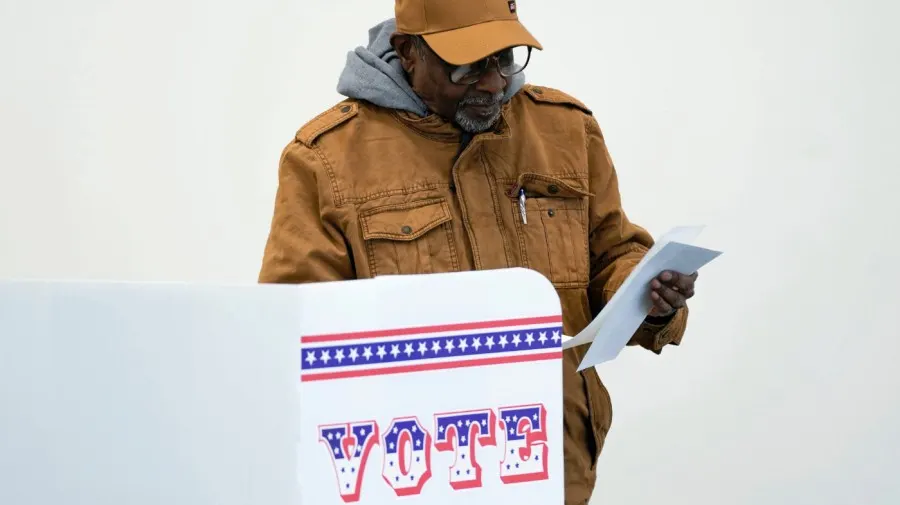
Early in-person voting has begun in Wisconsin’s Democratic primary for governor, after a series of campaign withdrawals and reversals unsettled an already crowded contest. The result matters nationally because Wisconsin is a closely divided swing state, and Democratic disunity could affect the party’s prospects in the November election for an open governorship.
State Representative Francesca Hong, a democratic socialist, is seeking to hold off rivals including former Lieutenant Governor Mandela Barnes and Milwaukee County Executive David Crowley, who re-entered the race with outgoing Governor Tony Evers’s endorsement. Lieutenant Governor Sara Rodriguez withdrew after campaign-finance problems, leaving some voters who had already returned postal ballots for her unable to change them; the primary is on 11 August, while Republican Tom Tiffany faces only nominal opposition.
In short
- Early voting starts amid Democratic primary turmoil.
- Withdrawals left some postal voters unable to recast ballots.
- The August primary could shape a key swing-state contest.
Steelman: both sides, in good faith
The strongest fair case each way — we don't pick a winner.
The case for
Democratic primary competition allows voters in this crucial swing state to engage meaningfully with distinct candidates and visions, which typically energises party bases. A contested primary, rather than a predetermined race, can produce a stronger nominee through testing and scrutiny. Voter engagement and mobilisation through genuine competition often translates to stronger general election performance, even if the primary period feels disruptive.
The case against
The repeated withdrawals, reversals, and campaign-finance controversies plague the Democratic primary at a time when party unity is most needed in a closely divided swing state. Voters unable to change already-cast ballots for withdrawn candidates face frustration, whilst the fractured field contrasts unfavourably with the Republicans' settled nominee. Such organisational confusion and lack of a clear frontrunner risks blunting Democratic momentum and message clarity precisely when coherence is needed to persuade swing voters in November.
Explained simply
Wisconsin is electing a new governor this year because the current one is leaving office. Wisconsin is a closely divided state that regularly swings between parties, making its election results significant beyond the state itself. The Democratic primary to choose the party's nominee has become complicated due to campaign withdrawals and changes.
The main Democratic candidates are state representative Francesca Hong, who identifies as a democratic socialist; former lieutenant governor Mandela Barnes; and Milwaukee County executive David Crowley, who recently returned to the race with the outgoing governor's support. The race has been disrupted by several exits, most significantly Lieutenant Governor Sara Rodriguez withdrawing due to campaign finance issues.
Rodriguez's departure created practical problems for voters who had already posted their ballots for her without being able to change them. The Democratic primary will occur on 11 August, with the Republican primary featuring Tom Tiffany facing only nominal opposition.
Art Culture Elections Europe Geopolitics Government Politics World