EA’s sale to Saudi-led consortium was “final nail in the coffin” for BioWare, says studio co-founder
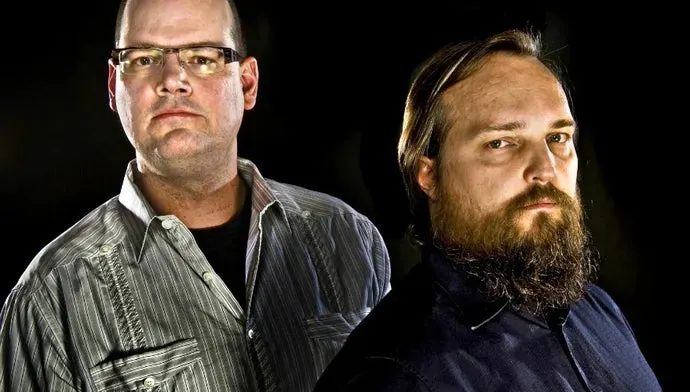
BioWare co-founder Greg Zeschuk has described the studio’s closure as sad, particularly for Edmonton, where he said it had represented hope and creative possibility. He said EA’s sale to a Saudi-involved consortium was “the final nail in the coffin”, pointing to the difficulty of sustaining BioWare’s complex, time-consuming games under a business model that favours annual sports releases.
Zeschuk founded BioWare with Ray Muzyka and Augustine Yip in 1995, then retired with Muzyka in 2012. He said the studio changed gradually as people left and joined, rather than because the founders’ departure alone caused its decline. After leaving games, Zeschuk built Blind Enthusiasm, a brewing company that now employs about a dozen people and ships tens of thousands of bottles each year.
In short
- Zeschuk says EA’s sale was BioWare’s “final nail in the coffin”.
- He called the closure especially sad for Edmonton.
- The co-founder retired from BioWare in 2012.
Steelman: both sides, in good faith
The strongest fair case each way — we don't pick a winner.
The case for
Zeschuk’s account supports the view that EA’s sale was a damaging turning point: BioWare’s long, complex games may have been a poor fit for an owner focused on faster, more predictable returns. A change in ownership could have intensified pressure on the studio and weakened the creative conditions that had made it important to Edmonton and the games industry.
The case against
The account does not establish that the sale caused BioWare’s closure; Zeschuk also described a gradual evolution as staff came and went, and the founders had left years earlier. The studio’s difficulties could instead reflect longer-running challenges in sustaining ambitious games, so the sale may have been one factor rather than the decisive cause.
Explained simply
BioWare is a Canadian video game studio founded in Edmonton in 1995 by Greg Zeschuk, Ray Muzyka and Augustine Yip. It became known for large role-playing games, which can take years to make and involve extensive stories and player choices.
BioWare was later owned by Electronic Arts, a major publisher whose best-known games include annual sports series. Zeschuk and Muzyka left the studio in 2012; Zeschuk has said its character changed over time as staff came and went.
The studio’s story matters to Edmonton, where Zeschuk says BioWare offered a source of hope and creative opportunity. It also reflects the challenge of sustaining lengthy, ambitious games within a large publisher’s business.