World news and discussion on TalkFuse.
Ebola deaths top 1,700 in eastern Congo
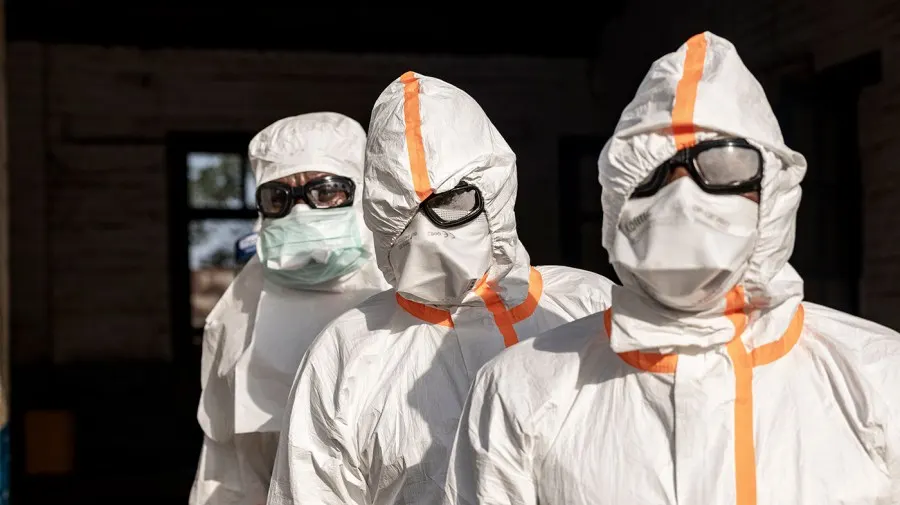
The Ebola outbreak in eastern Democratic Republic of Congo has become the fastest-growing on record, with the death toll passing 1,700 and new infections continuing to outpace health workers' ability to trace and contain them. The crisis, centred on the town of Bunia in Ituri province, is especially alarming because officials have not yet identified a "patient zero" or established how the outbreak began, making it harder to predict its trajectory or bring it under control.
As of Tuesday, government figures recorded 3,802 confirmed cases and 1,707 deaths, marking roughly a 50% rise in fatalities over a recent period. Africa CDC Director-General Jean Kaseya, visiting Bunia, acknowledged that health authorities cannot yet say when the outbreak will peak, underscoring the scale of the challenge facing responders on the ground.
In short
- Ebola deaths in eastern Congo have surpassed 1,700, with 3,802 cases recorded
- It is the fastest-growing Ebola outbreak on record, centred on Bunia, Ituri
- Origin unidentified; officials unsure when the outbreak will peak
Explained simply
Ebola is a serious infectious disease that can cause severe illness and death. It spreads through direct contact with the bodily fluids of someone who is ill or has died from the disease, so finding cases and tracing their contacts are important parts of containing an outbreak.
The Democratic Republic of Congo has faced several Ebola outbreaks, and eastern parts of the country are difficult for health teams to reach and work in. Local health workers and government authorities lead the response, with support from regional and international health organisations; identifying how an outbreak began can help them understand where it may spread and whom to protect.
The outbreak matters because infections that are not found quickly can pass to more people and put greater pressure on clinics and response teams. Its course also affects communities beyond the immediate area, as neighbouring countries and health agencies monitor the risk of further spread.
Africa Americas Government Health Medicine Politics Software Technology World