Eckert’s Spygate ban may be lenient, but no sane manager will try the same trick again
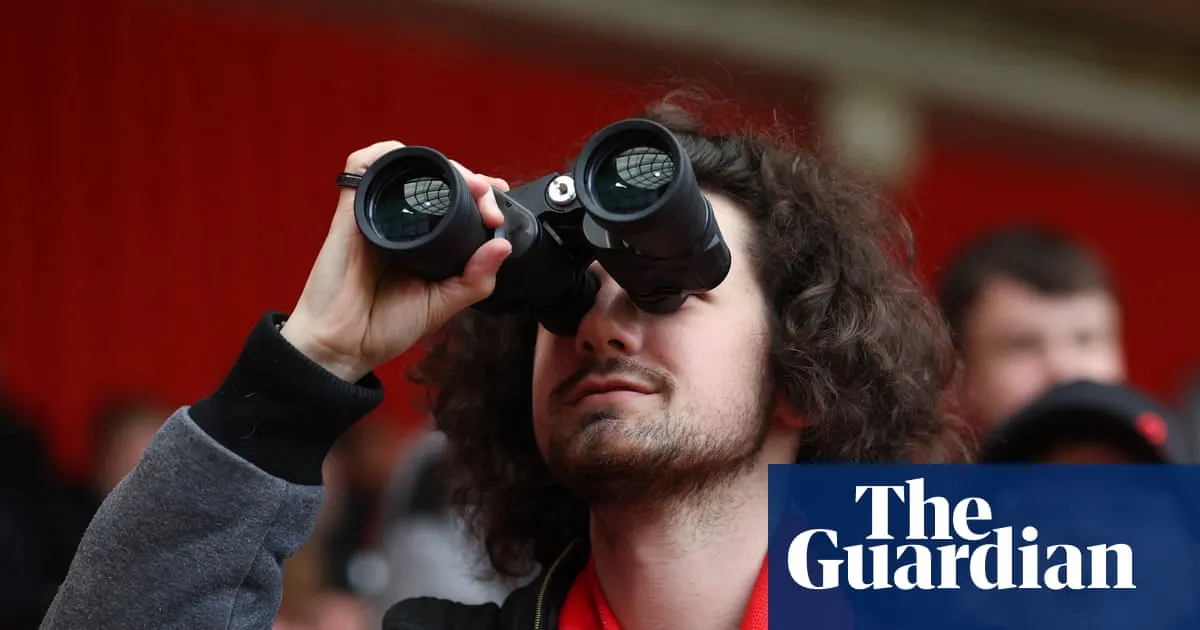
The FA has fined Southampton head coach Tonda Eckert £28,000, reprimanded him and handed him a six-week ban, suspended until the end of the 2027-28 season, for authorising spying on opponents. The article argues that the punishment may seem lenient, but the lengthy investigation and the damage to Eckert’s standing should deter other England-based coaches from trying similar tactics.
The spying came to light in May, when Southampton analyst William Salt was caught filming Middlesbrough’s training before a Championship play-off semi-final. Southampton also admitted surveillance of Oxford and Ipswich; the EFL expelled the club from the play-off final and imposed a four-point deduction for the current season. The FA’s case against Eckert followed a separate EFL process, which criticised the pressure placed on Salt, a temporary worker who has since joined Southampton’s academy staff.
- Eckert received a suspended six-week ban and a £28,000 fine.
- Southampton were also punished by the EFL over spying on three clubs.
- The case may deter other coaches from using covert surveillance.
New here? Start with this
Southampton engaged in systematic surveillance of rival teams' training sessions. The club's analyst William Salt was caught in May filming Middlesbrough's preparation before a Championship play-off semi-final, leading to the discovery of a broader operation targeting at least three opponents: Middlesbrough, Oxford and Ipswich.
Head coach Tonda Eckert authorised this surveillance effort. The English Football League imposed sporting penalties, expelling Southampton from the play-off final and deducting four points from the club's current season total.
The Football Association has separately investigated Eckert. He has been fined £28,000, reprimanded and handed a six-week ban that is suspended until the end of the 2027-28 season.
Both sides, in good faith
The strongest fair case each way — we don't pick a winner.
The case for
The suspension architecture and investigative scrutiny create genuine accountability even if the immediate sanction appears modest. The reputational and professional damage to Eckert—a lengthy investigation, public censure, and the threat of future consequences—acts as a powerful deterrent that operates beyond headline figures. The deterrent effect works through demonstrating that institutional cheating carries real jeopardy for one's standing and career prospects, not merely through the most severe possible penalties.
The case against
A suspended ban that won't be served for two years and a relatively modest fine represent insufficient consequences for deliberate institutional cheating. When the punishment's actual impact is negligible—the coach loses no games, faces a small financial penalty, and continues working—it fails to adequately deter other managers from similar breaches of integrity. More severe and immediate sanctions would better protect competitive fairness and send a clearer message that such conduct carries genuine risk.