Science news and discussion on TalkFuse.
Ed Miliband to take seat on board of World Bank – with overseas aid and climate ‘central to UK’
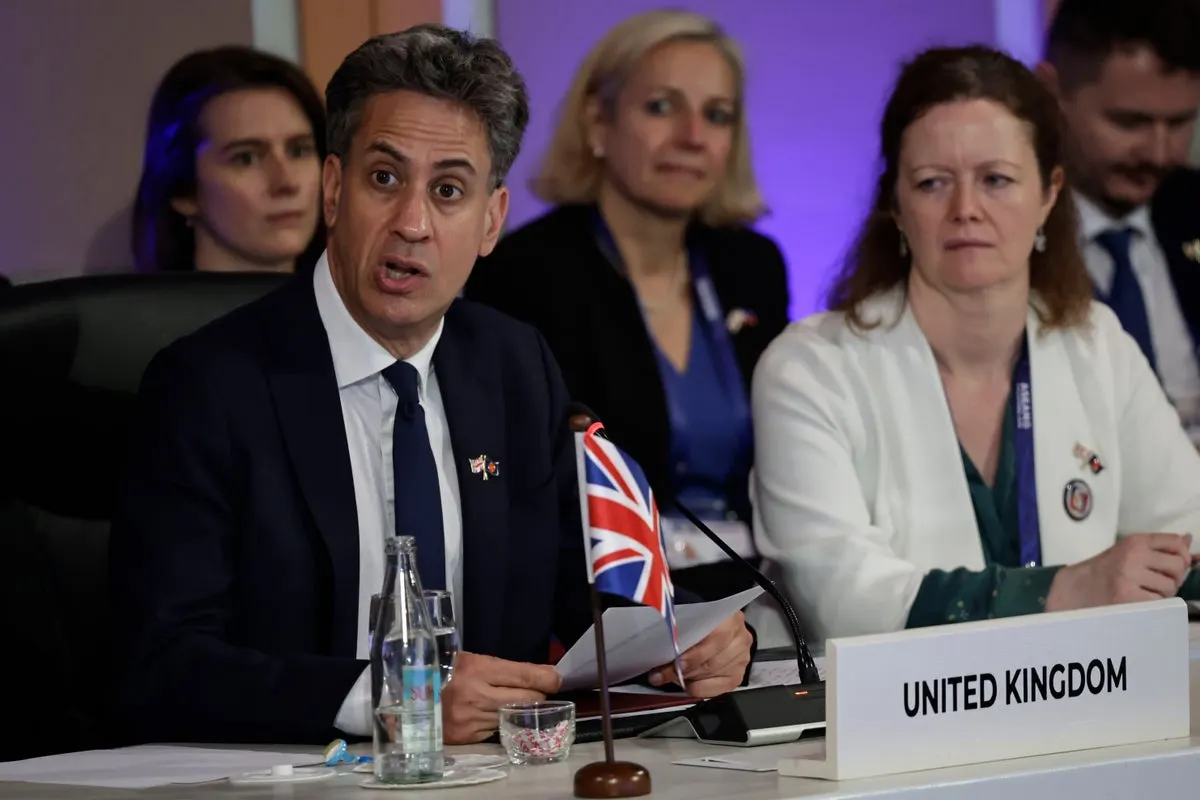
Ed Miliband has taken up the UK's seat on the board of the World Bank, saying international development and the climate crisis are "central" to government policy. The foreign secretary, who previously served as energy and net zero secretary, described the move as "personal leadership" of overseas aid and global finance, and pledged to help countries adapt to the climate crisis. The appointment comes despite the government implementing significant cuts to UK aid spending, raising questions about the sincerity of its stated global leadership ambitions.
UK aid spending is falling from 0.5 per cent to 0.3 per cent of Gross National Income by 2029, with nine African countries facing bilateral aid cuts of more than 80 per cent, including Kenya (down 93 per cent) and Tanzania (down 91 per cent). Total aid cuts between 2024/5 and 2028/9 amount to around £6.5 billion, while climate aid will fall from £11.6 billion over five years to £6 billion over the next three, including a 50 per cent cut to the Green Climate Fund. Mr Miliband, who will be supported by new development minister Kirsty McNeill, will work with World Bank president Ajay Banga, whose institution provides roughly $100 billion in annual financing to developing countries.
In short
- Miliband becomes UK governor of the World Bank, prioritising aid and climate
- Move coincides with deep UK aid cuts, including 93% cut to Kenya
- Climate aid falling from £11.6bn to £6bn, Green Climate Fund cut by half
Steelman: both sides, in good faith
The strongest fair case each way — we don't pick a winner.
The case for
The UK can exercise meaningful influence over global development and climate policy through strategic positioning on the World Bank board, which directs approximately $100 billion in annual financing to developing nations. Miliband's cabinet-level expertise and personal leadership of this agenda may achieve more transformative impact by shaping how the institution addresses climate adaptation and sustainable development than bilateral aid programmes alone; a focused, multilateral approach represents a coherent development strategy centred on policy influence rather than direct spending.
The case against
Simultaneously championing international development and climate action through a high-profile World Bank role whilst cutting bilateral aid by over 80 per cent to key African nations and reducing climate financing by 50 per cent raises serious questions about the sincerity of stated commitments. If development and climate are truly central to government policy, the budget allocations should reflect this priority; the cuts suggest these issues rank beneath fiscal consolidation, and the board appointment risks appearing performative rather than substantive without corresponding financial commitment from the UK.
Explained simply
The World Bank is an international institution that lends roughly $100 billion annually to developing countries for development projects. The UK holds a seat on the bank's board of directors, which influences how these funds are distributed. Ed Miliband, the UK's foreign secretary, has taken the British seat and said overseas aid and climate change are central to his priorities there.
Miliband previously served as energy and net zero secretary, bringing climate expertise to the role. He will be supported by Kirsty McNeill, the newly appointed development minister, and will work with World Bank president Ajay Banga. The three of them will help direct the bank's annual funding to developing countries.
This appointment matters because the World Bank controls substantial development funding. However, the news comes as the UK government reduces its own aid budget from 0.5 per cent to 0.3 per cent of national income by 2029. Countries such as Kenya and Tanzania face aid cuts exceeding 80 per cent, creating a tension between Miliband's stated priorities at the World Bank and the UK's domestic aid reductions.
Climate Entertainment Government Music Politics Science UK World