World news and discussion on TalkFuse.
Scientists launch independent US climate research archive after federal assessment ends
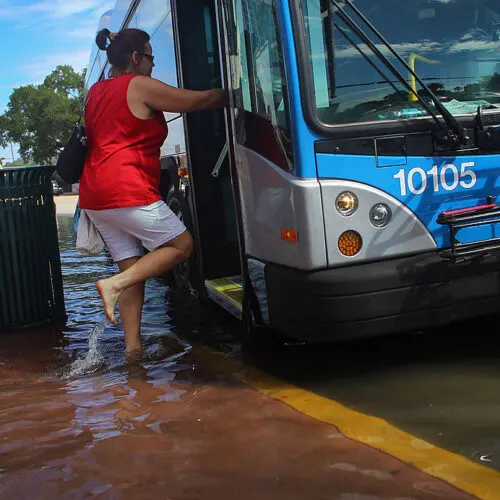
The Trump administration terminated the US National Climate Assessment last year by eliminating funding and removing reports from public access, despite these assessments being legally mandated. In response, the American Geophysical Union and American Meteorological Society established the "US Climate Collection" as a decentralised alternative, inviting researchers to publish peer-reviewed papers that will feed into future climate reports. This initiative is significant because it preserves critical climate research and creates a community-driven resource when federal coordination has been withdrawn.
The Collection's first contribution is a paper authored by 149 researchers (many previously working on the National Assessment) published simultaneously in journals operated by both professional societies. The paper serves as a research roadmap, identifying priority areas including improvements in climate modelling with machine learning and finer spatial resolution, accounting for recent policy changes and renewable energy deployment, and developing regional analyses similar to past National Climate Assessments. Unlike the centralised federal model, this approach could allow analyses to extend beyond US borders into neighbouring regions like Canada.
In short
- Trump administration shut down mandated US climate report; research community creating alternative
- 149-author paper launched as roadmap for decentralised climate research collection
- New approach enables regional focus and cross-border analysis without federal coordination
Steelman: both sides, in good faith
The strongest fair case each way — we don't pick a winner.
The case for
A community-led archive can preserve peer-reviewed climate research and sustain collaboration when federal assessment work has lost funding and public access. Its organisers argue that distributed contributions could keep the evidence base current, develop useful research priorities and allow regional analysis to include neighbouring countries.
The case against
A voluntary, decentralised collection may lack the stable funding, broad coordination and public authority of a federal assessment, making it harder to ensure consistent coverage and translate findings into policy. Supporters of the federal model could also argue that legally mandated assessments are best delivered through accountable public institutions, and that a community archive cannot fully replace that responsibility.
Explained simply
The National Climate Assessment is a major US report that brings together research on how climate change affects the country and what may lie ahead. It is produced through federal agencies and has been required by law, giving officials and the public a shared source of information.
The American Geophysical Union and American Meteorological Society are professional organisations for researchers who study Earth, weather and climate. Their new US Climate Collection is intended to gather peer-reviewed research that can inform future climate reports, including work by scientists who contributed to earlier assessments.
The Collection’s approach relies on researchers and scientific journals rather than a single federal process. Its scope could include detailed regional studies and research on areas such as climate modelling, energy policy and renewable energy, with analyses potentially covering neighbouring regions such as Canada.
Americas Climate Science World
Read the full article at the source →
Originally published by Ars Technica as “Effort begins to fill the void left by terminated US climate report”.