eGPUs do work, but they come with some notable limitations
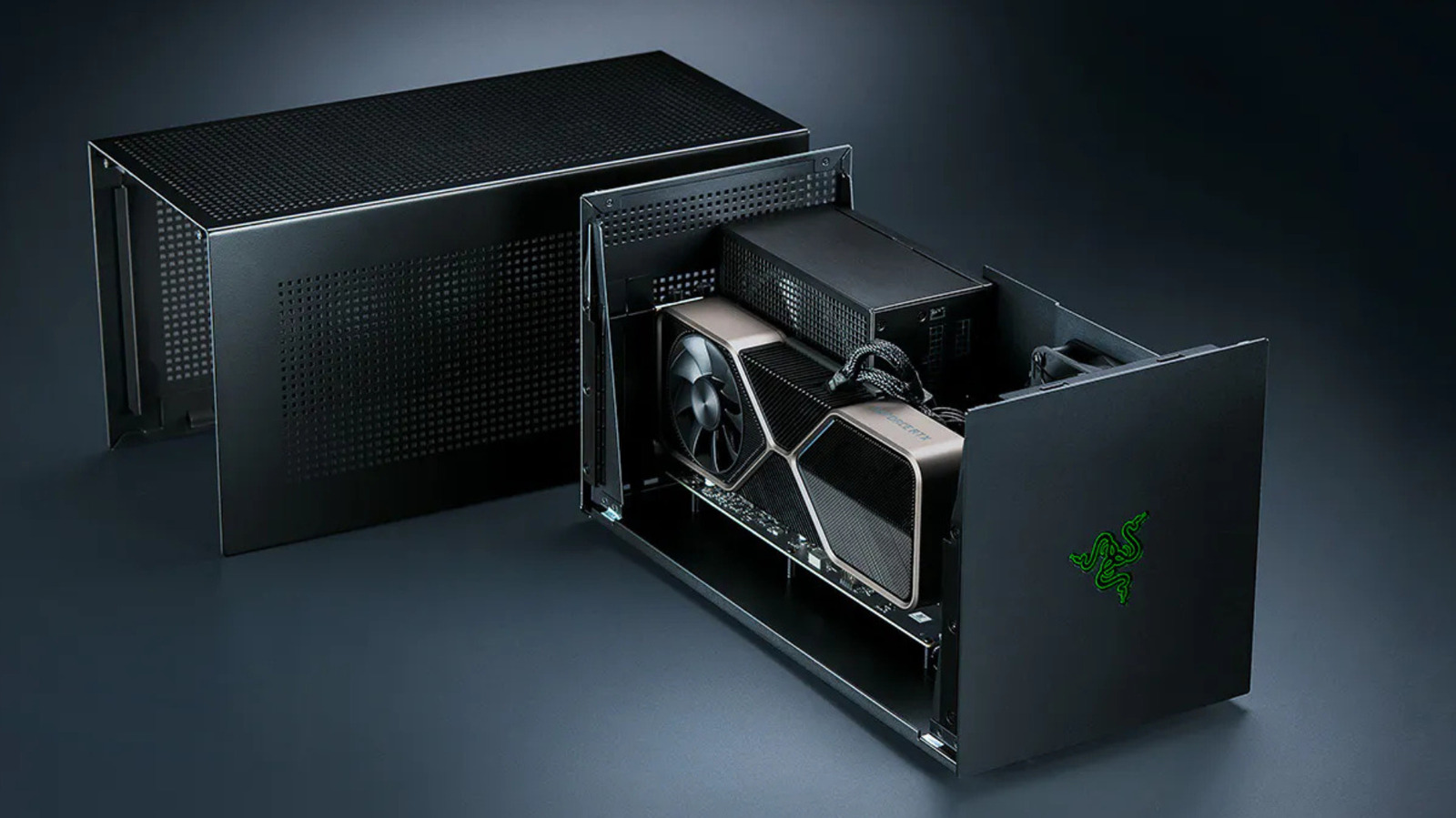
External graphics processing units (eGPUs) offer a practical way to boost gaming performance on laptops without purchasing an entirely new machine, particularly amid high RAM pricing. Whilst the technology is improving—with Razer reviving its eGPU line and Framework developing new options—these solutions come with significant limitations including reduced performance over wireless connections and substantial additional costs.
eGPUs typically operate 7 to 32 percent slower than desktop graphics cards due to Thunderbolt's bandwidth constraints, with the performance gap widening when using high-end GPUs. A Thunderbolt 4 port provides only 40 Gbps of bandwidth with 32 Gbps allocated to PCIe data—roughly an eighth of a desktop slot's capacity. When accounting for the cost of an eGPU enclosure (£250-350), power supply, additional dock hardware (£390+), and the graphics card itself, the total expense often rivals or exceeds purchasing a dedicated budget gaming PC. Apple Silicon Macs cannot use eGPUs for gaming at all, though Framework's alternative OCuLink connection offers higher bandwidth (128 Gbps) with the tradeoff of reduced convenience.
- eGPUs boost laptop gaming but run 7-32% slower than desktop GPUs due to bandwidth limits
- Complete setups cost hundreds of pounds; often cheaper to buy a budget gaming PC instead
- Apple Silicon Macs cannot use eGPUs for gaming; OCuLink offers better performance but less convenience