El-Sayed admits free healthcare means paying ‘a little bit more in taxes’ regardless of income
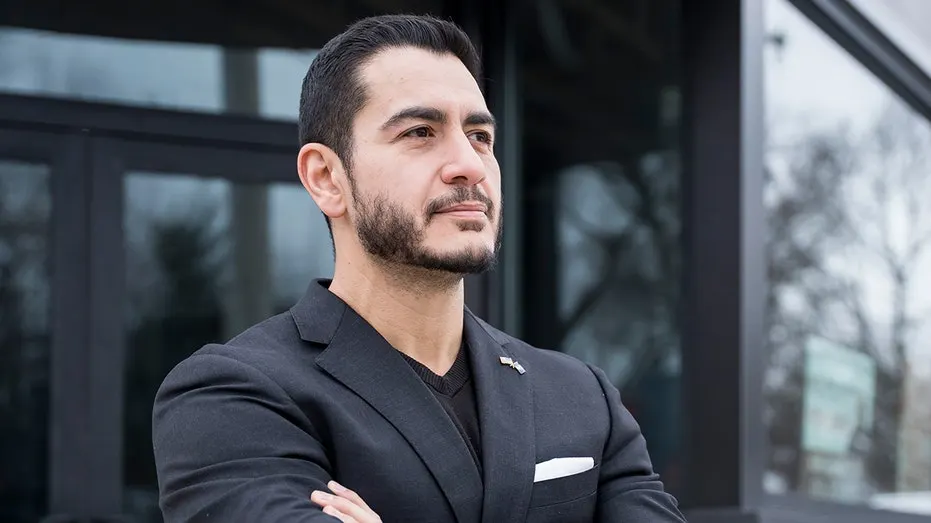
Michigan Democratic Senate candidate Abdul El-Sayed appeared to acknowledge that his proposed universal healthcare plan would require most Americans to pay higher taxes, regardless of their income level. The admission is notable because Democratic proponents of "Medicare for All" style policies have often faced scrutiny over how such systems would be funded, and critics frequently argue that promises of "free" healthcare obscure the true cost to taxpayers.
According to the article, El-Sayed suggested that Americans earning under $1 million a year would still see their taxes rise "a little bit" to pay for universal healthcare, rather than only wealthier earners bearing the cost. The comments have drawn attention from Republican critics and commentators, including Senator John Fetterman, amid a wider debate over the direction of the Democratic Party and the influence of progressive and socialist-aligned figures ahead of the Michigan Senate race.
In short
- El-Sayed says universal healthcare means tax rises for most earners
- Comments contradict "free healthcare" framing used by some Democrats
- Remarks fuel criticism from Republicans and rival Democrats in Michigan race
Steelman: both sides, in good faith
The strongest fair case each way — we don't pick a winner.
The case for
Universal healthcare advocates argue that whilst funding such a system requires modest tax increases across income levels, most people experience net financial benefit when premiums, deductibles, and copays disappear entirely. They contend that healthcare as a right rather than market commodity reduces administrative waste, prevents medical bankruptcy, and produces better health outcomes—making the tax trade-off economically rational and morally justified.
The case against
Critics argue that broad-based tax increases on middle and lower-income earners are regressive and politically dishonest, disproportionately burdening those with least discretionary income. They contend that evidence from other nations demonstrates longer waiting times and reduced innovation under state systems, and that market competition and individual choice remain more effective routes to efficient, responsive healthcare than centralised government provision.
Explained simply
Universal healthcare aims to ensure everyone can get medical care, with costs covered through a shared system rather than relying mainly on individual insurance plans and bills. “Medicare for All” is a name often used for proposals to extend government-run health coverage to the whole population; the details, including how to pay for it, vary.
Abdul El-Sayed is a Democrat running for the US Senate in Michigan, where he is seeking to represent the state in Washington. Funding such plans is a recurring point of debate: supporters argue that taxes could replace some insurance premiums and other healthcare costs, while critics question how much taxes would rise and who would pay.