Politics news and discussion on TalkFuse.
El-Sayed campaign backed by over $100,000 from dozens of members of group with alleged terror ties
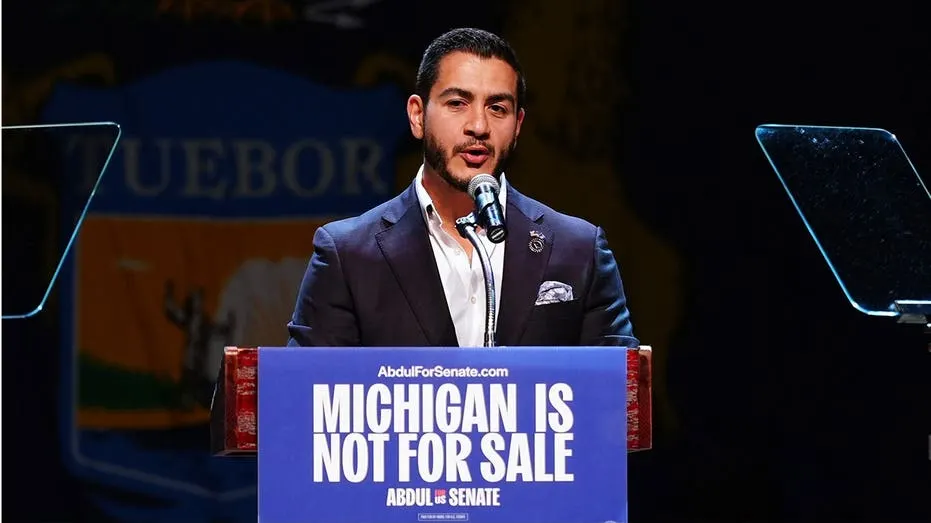
Fox News reports that Abdul El-Sayed, the Democratic Senate nominee in Michigan, has received more than $100,000 in campaign donations from dozens of individuals affiliated with the Council on American-Islamic Relations (CAIR), a group Fox News describes as having "alleged terror ties". The report, described as exclusive, comes shortly after El-Sayed won the Michigan Democratic Senate primary against Haley Stevens in what was reportedly the most expensive Democratic Senate primary in US history, and as he prepares to face Republican former congressman Mike Rogers in the general election.
According to the article, records show CAIR-affiliated donors contributed around $115,000 to El-Sayed's campaign. The piece situates this within wider Republican criticism of CAIR, noting that Texas Governor Greg Abbott has moved to declare CAIR and the Muslim Brotherhood terrorist organisations, and that Republican figures have pointed to El-Sayed's primary victory, alongside other progressive wins, as evidence of a leftward shift within the Democratic Party that they believe benefits the GOP heading into the midterms.
In short
- El-Sayed's Senate campaign received over $100,000 from CAIR-linked donors
- CAIR has faced allegations of terror ties, denied by the group
- Comes after his costly Michigan primary win over Haley Stevens
Steelman: both sides, in good faith
The strongest fair case each way — we don't pick a winner.
The case for
Critics argue that CAIR's documented history of problematic associations and controversial statements justifies scrutiny of substantial campaign donations from individuals affiliated with it. The concern centres on what accepting over $100,000 from such sources suggests about a candidate's judgment and potential vulnerability to influence, not on Muslim political participation generally, but specifically on the wisdom of accepting funding from an organisation with such a disputed record.
The case against
Supporters contend that CAIR is a legitimate civil rights organisation, that individuals have a constitutional right to donate to candidates who share their values, and that characterising donations from Muslim Americans as inherently suspicious unfairly stigmatises an entire faith community's political engagement. The phrase 'alleged terror ties' lacks substantiation and should not taint the civic participation of ordinary citizens exercising their democratic rights.
Explained simply
Abdul El-Sayed is a Democratic politician from Michigan, a state in the US Midwest. He won the Democratic nomination for the state’s Senate seat and will face Republican Mike Rogers in the general election; the winner will represent Michigan in the US Senate.
The Council on American-Islamic Relations, known as CAIR, is a US Muslim civil rights and advocacy group. The report describes some donors to El-Sayed as affiliated with CAIR and says they gave his campaign about $115,000; affiliation does not by itself establish that CAIR directed the donations.
The story sits within a broader political dispute over CAIR and the direction of the Democratic Party. Republican critics have raised allegations about CAIR’s ties and have portrayed progressive candidates’ primary wins as evidence of a shift within the party, making El-Sayed’s campaign part of the debate ahead of the election.
Elections Government Politics World