El-Sayed win kicks Democrats’ Midwest ideological battle into high gear — and some Dems fear November fallout
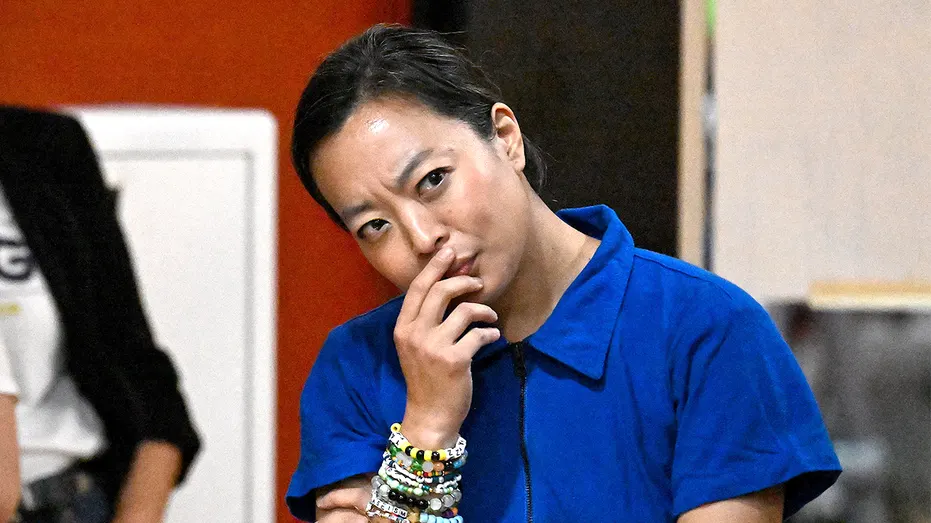
A narrow primary win for far-left candidate Abdul El-Sayed in Michigan has intensified the ideological struggle between progressive and centrist wings of the Democratic Party, with the fight now shifting to a closely watched Wisconsin governor's race. Some Democrats worry that the rise of further-left candidates could hurt the party's chances in November, as moderate and progressive factions increasingly clash over strategy and messaging in key Midwest battlegrounds.
In Wisconsin, Democratic gubernatorial candidate Francesca Hong, who supports defunding the police and abolishing ICE, is trailing Republican opponent Tom Tiffany by three percentage points in recent polling, while also facing a significant fundraising shortfall. Senator Bernie Sanders' hesitant response when asked whether he would endorse Hong drew mockery and was seen as telling by critics, while a centrist Democratic group has raised $15 million to counter the party's socialist wing, underscoring the depth of the internal rift.
In short
- El-Sayed's Michigan primary win fuels Democratic Party ideological split
- Wisconsin's Hong trails GOP rival Tiffany by three points in polling
- Centrist Democrats raise $15M to combat rising socialist influence
Steelman: both sides, in good faith
The strongest fair case each way — we don't pick a winner.
The case for
Progressives argue that bold, principled positions on police reform and immigration reflect genuine moral imperatives and energise the Democratic base. They contend that the party wins when it stands clearly for something rather than hedging, and that centrist caution has repeatedly failed to prevent electoral losses. They would note that primary enthusiasm matters and that early polling is often unreliable, with candidates of clear progressive vision capable of mobilising voters centrists assume are unreachable.
The case against
Centrists argue that winning competitive elections requires appealing beyond the party's base to moderate and persuadable voters in swing states like Wisconsin. They point to concrete polling data showing progressive candidates underperforming in general elections and warn that primary victories are meaningless if they lead to November defeats that cost the party congressional power. They contend that electoral viability is itself a progressive value, since losing allows Republicans to govern unchecked, and that the party must be competitive in the Midwest to hold national power.
Explained simply
The Democratic Party includes both centrist and progressive politicians, who often disagree over policy and how best to win elections. Michigan and Wisconsin are closely watched Midwestern states, so contests there can influence debates about the party’s direction.
Abdul El-Sayed and Francesca Hong are progressive Democrats, while other party figures favour a more centrist approach. Disagreements over issues such as policing and immigration enforcement have become part of the wider argument about the party’s message and strategy.
The dispute matters because Democrats are weighing how to appeal to voters in competitive elections while keeping different parts of the party onside. Their choices could affect the party’s prospects in November and shape which candidates and policies receive support.