World news and discussion on TalkFuse.
Electrify everything: New global target tests Southeast Asia’s reliance on fossil fuels
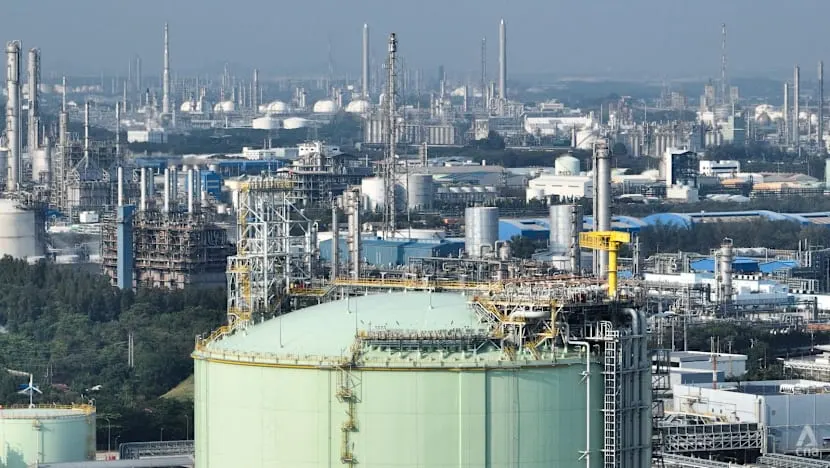
COP31 is promoting a voluntary pledge to raise electricity’s share of global energy use to 35 per cent by 2035, encouraging countries to replace direct fossil fuel use in transport, buildings and industry. The goal could help cut emissions by shifting energy use to more efficient electric technologies, but only if the electricity itself is generated more cleanly.
Southeast Asia already gets 25 per cent of its energy from electricity, above the global average of 23 per cent, but much of this reflects rising demand rather than a move away from fossil fuels. Coal supplies almost half of regional electricity generation, while grid constraints and uneven national policies add obstacles; 75 countries and 94 organisations backed the pledge as of 18 November, amid disagreement over global targets.
In short
- COP31 is promoting a global electrification target for 2035.
- Southeast Asia’s electricity use is growing, but fossil fuels remain entrenched.
- Cleaner power is essential for electrification to reduce emissions.
Steelman: both sides, in good faith
The strongest fair case each way — we don't pick a winner.
The case for
A voluntary target to raise electricity’s share of energy use could speed the shift to efficient electric transport, heating and industrial processes, reducing emissions where clean power is available. A shared 2035 goal may also encourage investment in grids and renewables, while allowing countries to choose policies suited to their circumstances.
The case against
Electrifying more energy use may deliver limited climate benefits if power still comes largely from coal, as it does in much of Southeast Asia, and could increase fossil fuel demand. Critics may also argue that a global percentage target oversimplifies differences in national grids and policy capacity, and that limited investment should first go towards cleaning electricity generation and addressing grid constraints.
Explained simply
Electricity can power cars, heat buildings and run industrial equipment that would otherwise use petrol, gas or coal directly. Using electricity for these purposes can reduce energy use and emissions, especially when power comes from low-carbon sources such as renewables.
Southeast Asia uses electricity for a larger share of its energy than the global average, but this does not necessarily mean the region is moving away from fossil fuels. Coal still generates nearly half of its electricity, so the climate impact of switching to electric technologies depends on how power is produced.
Countries in the region also face limits in connecting new power sources and delivering electricity across their grids, while their energy policies differ. A global pledge on electrification could encourage change, but its effect would depend on national choices about power generation and infrastructure.