Elgin Marbles could still be sent to Greece on Bayeux Tapestry-style deal despite Andy Burnham backtrack on returning them
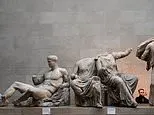
The British Museum’s director has suggested that the Bayeux Tapestry’s loan to the UK could offer a model for sending the Elgin Marbles to Greece temporarily. Such an arrangement could ease a long-running cultural and diplomatic dispute without requiring permanent repatriation, which the UK fears could set a precedent for museums worldwide.
Nicholas Cullinan said the France–UK tapestry partnership showed the value of reciprocal cultural exchange, while stressing that there was no standard solution for every case. The sculptures were removed from Athens by Lord Elgin in the early 1800s and acquired by the British Museum in 1816; Greece argues they were taken illegally and should return permanently, while Andy Burnham has recently said the matter ultimately rests with the museum.
- Bayeux Tapestry loan may offer a model for Greece.
- British Museum director supports dialogue on temporary loans.
- Greece seeks permanent return; UK cites precedent concerns.
New here? Start with this
The Elgin Marbles are ancient Greek sculptures from the Parthenon, a temple in Athens. Lord Elgin, a British diplomat, removed them in the early 1800s, and the British Museum acquired them in 1816.
Greece says the sculptures were taken unlawfully and should be returned permanently. The British Museum holds them in London, while the UK government has opposed a permanent transfer, partly because it could affect claims involving other museums.
A loan would mean Greece could display the sculptures for a set period while ownership stayed with the museum. The Bayeux Tapestry, which France plans to lend to the UK, has prompted discussion of reciprocal cultural loans, though each case may be handled differently.
Both sides, in good faith
The strongest fair case each way — we don't pick a winner.
The case for
A reciprocal, time-limited arrangement could let Greek audiences see the sculptures in Athens while preserving the British Museum’s legal ownership and avoiding a blanket rule for all contested collections. Supporters argue that carefully negotiated loans, accompanied by major Greek works coming to London, would advance cultural diplomacy and public access without treating every historical claim as identical. This approach values practical cooperation, scholarly exchange and institutional stability.
The case against
Greece’s strongest case is that the sculptures are integral parts of the Parthenon and belong permanently alongside the surviving pieces in Athens, rather than being treated as temporary loan objects. Supporters of return argue that an arrangement requiring Greece to acknowledge British Museum ownership would entrench a contested historical claim and fall short of remedying an acquisition they regard as unlawful or unjust. They value cultural integrity, historical redress and Greek authority over a defining part of its heritage.
Art Cricket Culture Europe Fashion Geopolitics Politics Sport Travel UK World