Technology news and discussion on TalkFuse.
Eli Roth Admits ‘Ice Cream Man’ Features AI-Assisted Shots After Suggesting Otherwise: ‘I Misspoke’
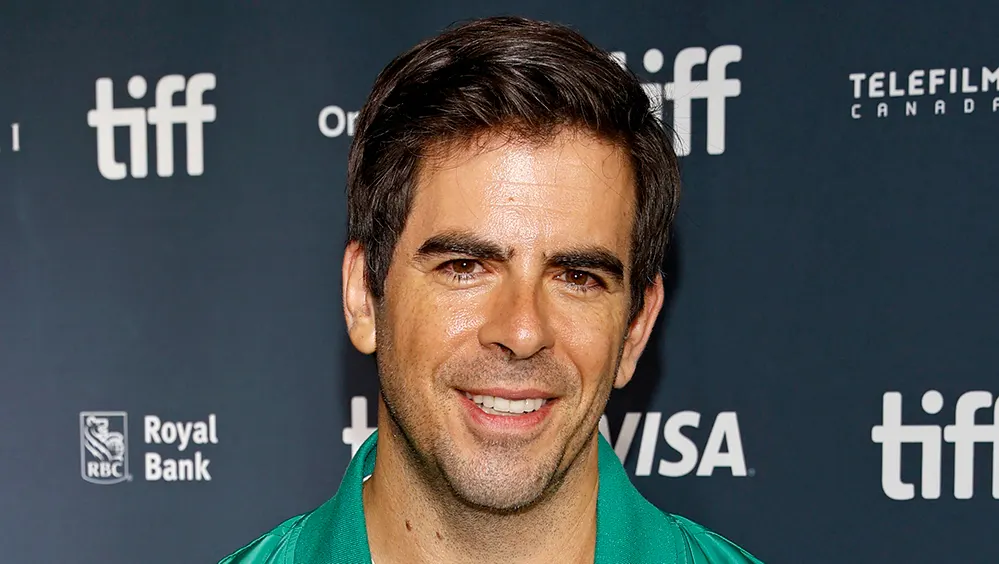
Director Eli Roth has admitted that his upcoming horror film "Ice Cream Man" uses AI-generated visual effects, days after appearing to suggest an animated sequence was hand-drawn. The reversal follows social media claims that AI was used extensively throughout the film, with users pointing to the involvement of AI visual effects studio Dark Half. The episode highlights the growing tension between filmmakers' use of AI tools and audience expectations of transparency ahead of release.
In a statement issued on Tuesday, Roth said "I misspoke," clarifying that AI was used in "a very small portion of a few scenes" and describing it as technology and creativity coming together to realise his vision, with the film due out on 7 August. He had previously told Polygon he originally drew a cartoon sequence himself, inspired by a 1920s Mickey Mouse cartoon, before animators refined it. The controversy echoes similar incidents involving "Late Night with the Devil" and "Stop That Train," where filmmakers faced scrutiny over undisclosed or disputed AI use in their productions.
In short
- Eli Roth admits AI was used in "Ice Cream Man" scenes, contradicting earlier claims
- Backlash followed social media reports of extensive AI use via studio Dark Half
- Film premieres 7 August; joins a pattern of AI-disclosure controversies in horror
Steelman: both sides, in good faith
The strongest fair case each way — we don't pick a winner.
The case for
AI represents a legitimate evolution in filmmaking technology, akin to any software or effects tool filmmakers have long employed to realise their creative vision. Roth used AI for a minimal portion of visual effects—a very small part of a few scenes—which hardly constitutes a significant artistic concern. His clarification demonstrates appropriate transparency once the matter arose, and audiences should evaluate films by their final artistic merit rather than by blanket opposition to particular production technologies. Tools and collaborators have always been essential to filmmaking; AI is simply the latest iteration.
The case against
The core issue is transparency and artistic integrity. Roth's initial claim that he hand-drew the sequence himself misrepresented the work's origins in a way that matters to audiences who value authentic human creativity—this distinction is not pedantic but fundamental to what creative labour means. More troublingly, the pattern across multiple films suggests systematic non-disclosure of AI's role, whilst AI's expansion threatens human artists and animators whose labour is being displaced. Without industry-wide transparency standards and consideration of effects on creative workers, these tensions will rightly persist.
Explained simply
Eli Roth is a film director known for horror films. His upcoming film Ice Cream Man is due for release on 7 August and includes animated and visual effects sequences, which are created or altered during post-production.
Artificial intelligence tools can generate or help create images and effects, but their use in films has become a point of debate. Some viewers want clear information about when these tools are used, while filmmakers may see them as one part of the creative process.
Other films, including Late Night with the Devil and Stop That Train, have also drawn questions about AI use. These disputes reflect wider uncertainty over how film-makers should explain the technology’s role to audiences.
AI Entertainment Film Horror Technology