Technology news and discussion on TalkFuse.
Eli Roth admits AI was used in Ice Cream Man
Developed over time first seen 3 months ago
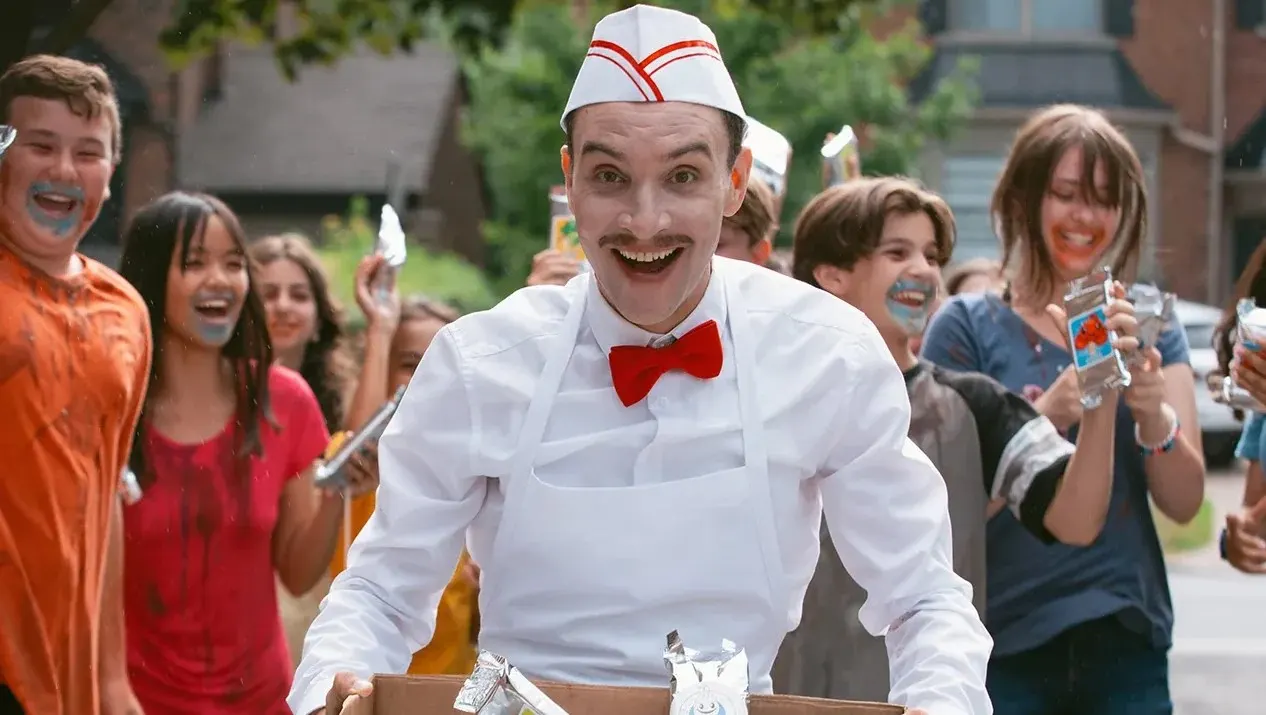
Director Eli Roth has confirmed that generative artificial intelligence was used in parts of his new slasher film "Ice Cream Man", reversing his earlier claim that the film's animated sequences were made using traditional techniques. He made the admission in a recent interview but gave few specifics on how extensively AI tools were employed or which scenes were affected, leaving the full extent of the technology's role in the production unclear.
The reversal came as the low-budget film, pitched as a throwback to retro horror style, was already suffering heavy critical backlash, with reviewers ranking it among the worst-reviewed horror releases of 2026. Reportedly rushed into production, the film marks a rare misstep for Roth, falling well short of the standard expected from a director of his genre pedigree, and the AI revelation has compounded the negative reception rather than resolving it.
- Sources
- 3
- Outlets
- 3
- Left · Centre · Right
- 1 · 0 · 0
In short
- Eli Roth admits AI was used in Ice Cream Man
- Contradicts his earlier claim of traditional animation techniques
- Film already panned as one of 2026's worst horror releases
How this story developed
- 3 months ago Reporting on the story remained materially unchanged, restating Roth's reversal on AI use in "Ice Cream Man" and the film's ongoing critical drubbing without introducing any new facts, figures or statements.
- 3 months ago Coverage sharpened around the framing of Roth's admission as an outright reversal rather than a mere disclosure, with outlets emphasising that he had explicitly contradicted his own prior denials while still declining to specify how much AI was used or in which scenes, as the film's poor critical standing among 2026 horror releases continued to be reported.
- 3 months ago Director Eli Roth revealed in an interview that generative AI had been used in select scenes of his slasher film "Ice Cream Man", walking back earlier assurances that its animated sequences were made conventionally, a disclosure that landed as the low-budget retro-horror throwback was drawing some of the year's harshest reviews and being called a rare career stumble for the veteran genre filmmaker.
Steelman: both sides, in good faith
The strongest fair case each way — we don't pick a winner.
The case for
Supporters of Roth's position would argue that generative AI is simply another tool in a director's kit, no different in principle from CGI or digital compositing, and that using it for isolated animated sequences on a low-budget genre film is a pragmatic choice rather than a moral failing. They would note that independent horror productions often lack the resources of major studios, so leaning on new technology to realise a creative vision is understandable, and that the finished film should ultimately be judged on its craft and entertainment value rather than on which techniques produced a handful of scenes. Roth's eventual admission, even if later than some would like, could also be read as a willingness to be honest once pressed, in an industry still working out norms for discussing a genuinely new technology.
The case against
Critics would counter that Roth's initial denial followed by a reversal is precisely the problem, since it suggests an attempt to avoid scrutiny rather than an oversight, and that trust matters in an industry where audiences increasingly want to know how a film was actually made. They would point out that animators, artists and other crew members have fought hard for protections against being displaced by generative tools, and that quietly incorporating AI without upfront disclosure can be seen as undermining that labour and the craft it represents. The vagueness of Roth's admission, offering no detail on scale or which scenes were affected, only deepens the concern that audiences and industry peers are being left in the dark about how much genuinely human work went into the film.
Explained simply
Generative AI tools can create images, video and animation from text prompts, and their use in film-making has become a flashpoint in Hollywood, with concerns ranging from job losses to whether AI-assisted work should be credited or disclosed at all. "Ice Cream Man" is a slasher film from director Eli Roth, known for horror titles such as "Hostel" and "Cabin Fever", and part of the film's promotion had rested on claims that its animated sequences used traditional, non-AI techniques.
Eli Roth built his reputation on graphic, practical-effects-driven horror, so any use of AI in his work draws particular scrutiny given the wider industry debate over the technology replacing traditional craft. His admission that AI was in fact used, after earlier denying it, raises questions about transparency in film marketing as well as the growing role of AI tools in productions that are made quickly and on limited budgets.
The film's reception adds another layer to the story, as it has been widely panned by critics, making the AI disclosure part of a broader conversation about the quality and integrity of the production.
Coverage · 3 sources
AI Culture Entertainment Film Horror Technology