Elon Musk becomes biggest political donor of US midterms cycle with $366m spent
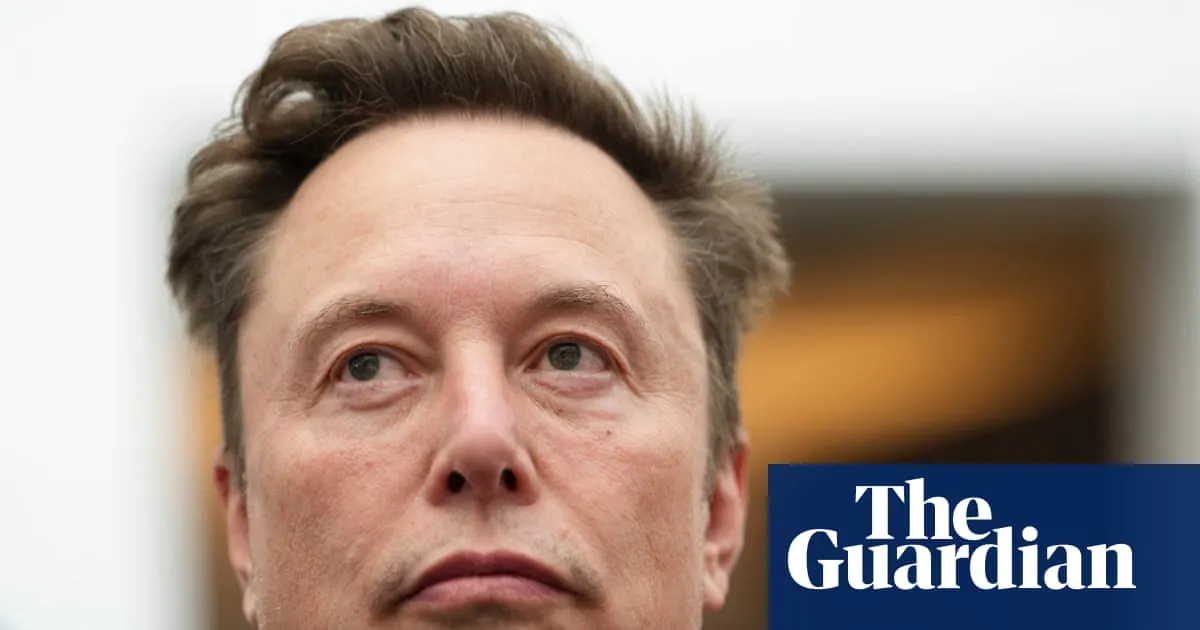
Elon Musk has spent about $366m backing political groups and campaigns during the 2026 US midterm election cycle, making him its biggest donor. Most of the money supports Republican candidates and rightwing causes, and is aimed in part at races that could decide control of the Senate.
More than $276m was spent since July, according to figures due in a federal filing on Thursday. Musk’s largest contribution was $158m to the Senate Leadership Fund; other donations included $76m to America PAC and $20m to the Congressional Leadership Fund. His total exceeds the nearly $300m he gave to Donald Trump’s 2024 campaign, despite Musk previously saying he would scale back political spending.
- Musk has spent about $366m in the 2026 midterm cycle.
- Most of the money backs Republican candidates and causes.
- His largest single donation was $158m to a Senate-focused group.
New here? Start with this
US midterm elections take place halfway through a president’s four-year term. Voters choose all seats in the House of Representatives and about a third of the Senate, as well as state and local offices. The results can change which party controls Congress and how easily the president can pass legislation.
Political groups such as the Senate Leadership Fund and America PAC raise and spend money to support candidates or causes. US campaign finance rules allow wealthy individuals to give large sums to some outside groups, which can spend independently of candidates’ campaigns. Elon Musk is a business owner whose political donations have become a prominent part of election funding.
Both sides, in good faith
The strongest fair case each way — we don't pick a winner.
The case for
Supporters may argue that Musk is exercising his democratic right to support candidates and causes he believes will advance his political priorities. Large donations can help campaigns communicate with voters, and backing groups focused on competitive Senate races may be seen as a legitimate way to influence which policies and leadership voters choose.
The case against
Critics may argue that a single donor’s ability to spend hundreds of millions gives him exceptional influence over elections and public debate, weakening the political equality that democratic participation is meant to protect. They may also question whether such concentrated spending allows wealthy interests to shape policy and candidates’ incentives beyond what ordinary voters can match.