World news and discussion on TalkFuse.
Elon Musk Discovers That ‘American Elections Are Not Just About Money’
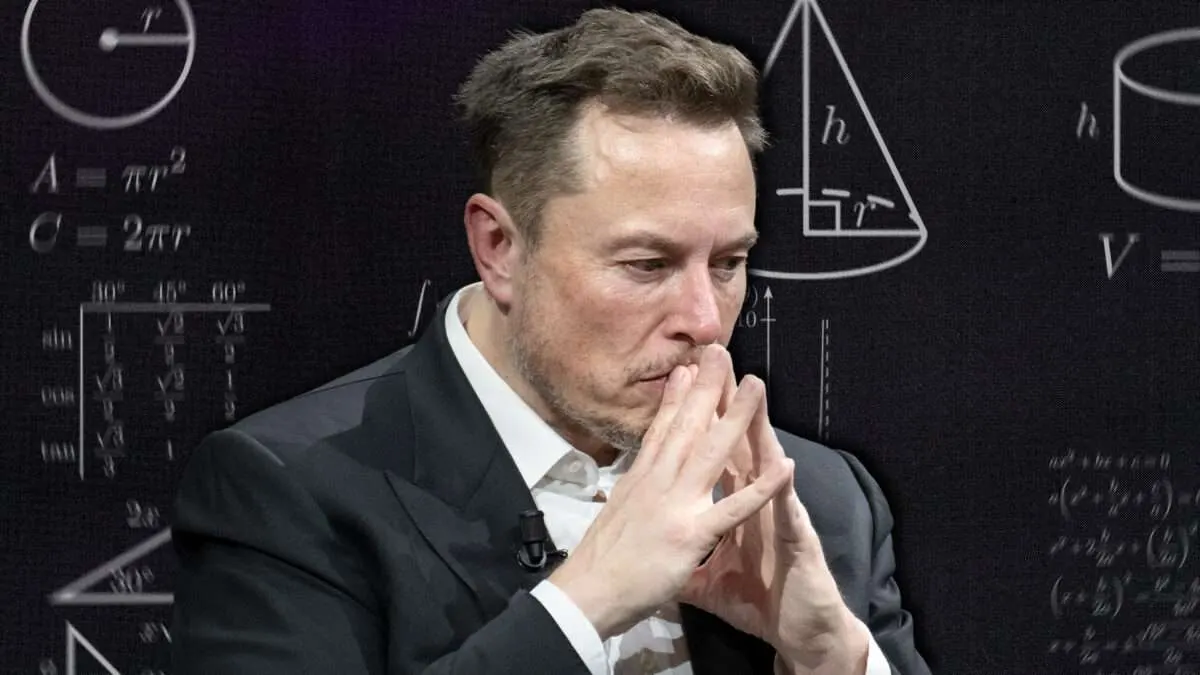
Elon Musk says he feels foolish after spending nearly half a billion dollars to help Republicans in the US midterm elections, where many heavily funded candidates lost. The results suggest that campaign money can help, but cannot by itself overcome weak candidates, political associations or voter preferences.
Democrats won all seven Senate races classified as toss-ups despite Republicans outspending them by $322 million on advertising. In Texas, James Talarico beat Ken Paxton by 12 points, while Gina Hinojosa defeated Greg Abbott by seven, despite large Republican spending advantages; Democrats also won every other statewide contest there. Similar gaps appeared in Ohio and Georgia, while research cited in the article finds spending is more effective for challengers than for incumbents, who may see diminishing returns.
In short
- Musk spent nearly half a billion dollars backing Republicans, but many lost.
- Democrats won all seven Senate toss-ups despite a Republican spending edge.
- Campaign spending may help challengers more than incumbents.
Steelman: both sides, in good faith
The strongest fair case each way — we don't pick a winner.
The case for
The results suggest that campaign spending has limits: voters may care more about candidates’ records, perceived competence and party associations than about advertising volume. For donors, this is a reason to support candidates who can persuade voters and build trust, rather than assume money alone can change an election.
The case against
Campaign money can still help candidates reach voters, explain their positions and compete with better-known opponents, even if it cannot guarantee victory. A donor could argue that spending remains a practical way to support a preferred party or candidate, and that these results show its limits in particular contests rather than proving it is broadly ineffective.
Explained simply
US midterm elections take place halfway through a president’s four-year term. Voters choose members of Congress and, in many states, governors and other officials; campaigns raise money to pay for advertising, staff and voter outreach.
Elon Musk is a billionaire business owner who has spent money supporting Republican candidates. In elections, candidates compete for voters, but their fortunes can also be shaped by their experience, political affiliations and the issues voters care about.
Campaign spending can help candidates reach more people, though its effects may vary depending on the race. Research has found that extra spending can have less impact for incumbents—candidates already holding office—than for challengers.
Americas Elections Politics World