World news and discussion on TalkFuse.
Elon Musk says record spending on US midterms was ‘pretty foolish’
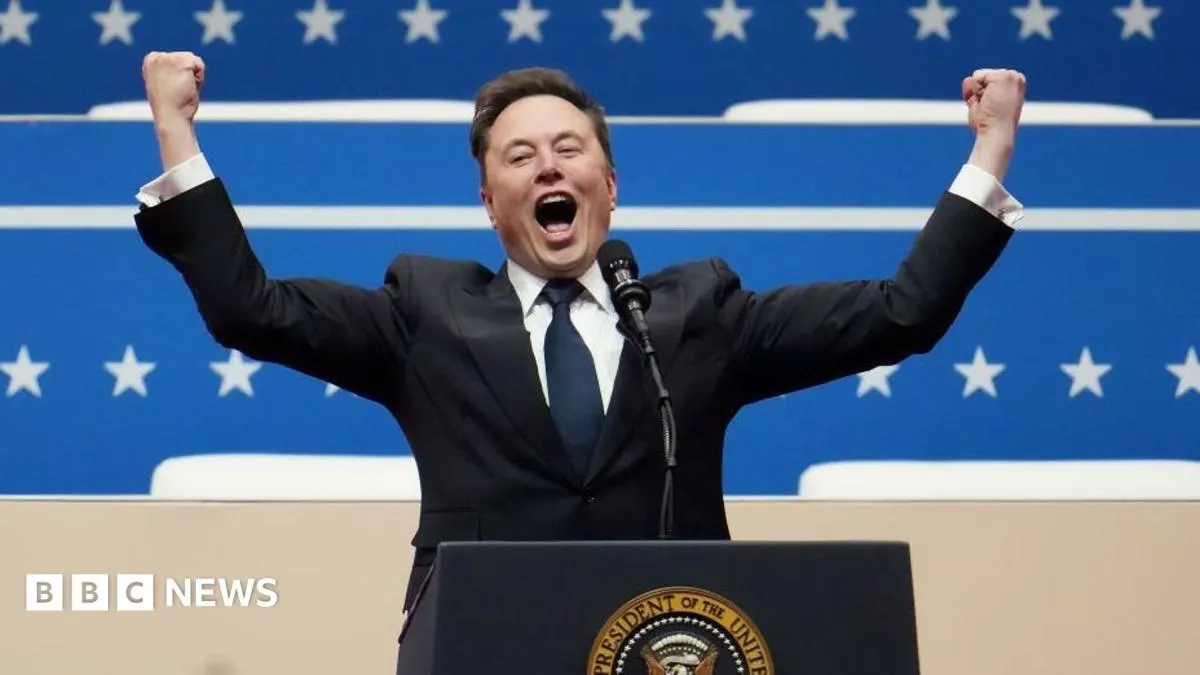
Elon Musk said he felt “pretty foolish” about spending a record amount to support Republicans in the US midterm elections, after Democrats won control of both chambers of Congress. His comments mark a shift in tone from a major backer of Donald Trump’s party and come as Democrats prepare to scrutinise technology companies and their government contracts.
Musk donated $446m (£339m), including at least $45m for defeated Texas Senate candidate Ken Paxton, but said he had seen little return on the spending. He also said he was “not Maga”, rejecting the idea of blind loyalty to Republican policies. Democrats’ gains could affect Musk’s businesses: lawmakers have called for scrutiny of SpaceX, while Georgia’s new governor has pledged to limit data centre expansion and related tax breaks.
In short
- Musk called his record midterm spending “pretty foolish”.
- He gave $446m to support Republicans.
- Democratic gains could mean more scrutiny of his businesses.
Steelman: both sides, in good faith
The strongest fair case each way — we don't pick a winner.
The case for
Musk’s spending can be defended as an attempt to support candidates and policies he believed would benefit the country and his businesses, and political donations are a legitimate form of participation. The poor election result does not by itself make the decision foolish; backing candidates can reflect conviction as well as expectations of influence, and his willingness to acknowledge disappointment suggests he is reassessing the strategy.
The case against
The spending can be criticised as an unusually large investment that produced little apparent political return, while risking the impression that wealthy donors can buy influence over public policy. Given the potential effects of congressional scrutiny and state decisions on Musk’s companies, the donations may also look self-interested, and the result suggests that financial backing alone cannot secure voter support.
Americas Business Elections Politics Science World