Politics news and discussion on TalkFuse.
Elon Musk suffers midterm blow as SpaceX, Tesla plummet: ‘My election-interfering space lasers didn’t work’
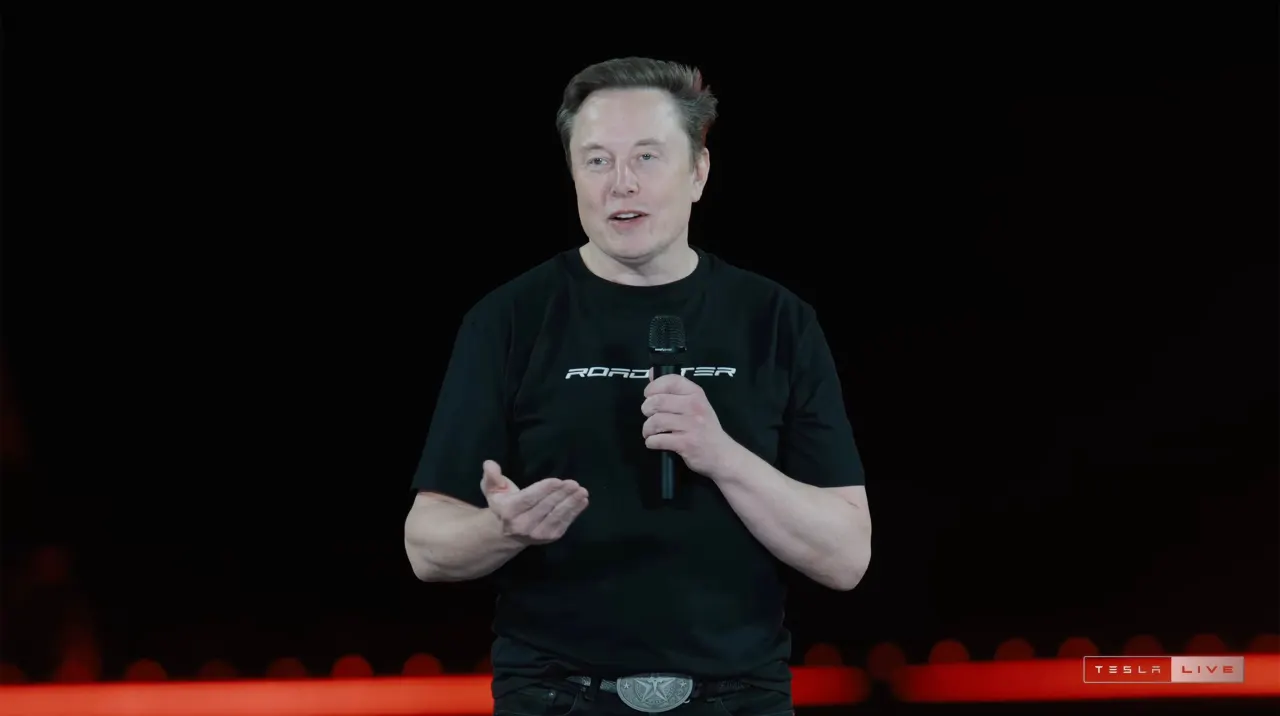
Elon Musk’s political spending did not prevent Democratic gains in the US midterms, including major wins in Texas, where SpaceX and Tesla are based. Their shares fell by more than 3% on Wednesday as investors weighed whether new political leadership could complicate plans to build data centres and expand AI computing.
Musk spent $474 million backing Republican candidates, including $224 million in Texas, where about 27% of planned US data centre capacity is located. CoreWeave and Iren shares fell 10% and 11%, while Nvidia dipped 3.2%. The article cites investor concerns about possible construction moratoriums, growing public opposition to data centres and a New York state pause on large projects.
In short
- Democrats made gains despite Musk’s record campaign spending.
- SpaceX and Tesla shares fell more than 3%.
- Data centre plans face political and public opposition.
Steelman: both sides, in good faith
The strongest fair case each way — we don't pick a winner.
The case for
Democratic gains could give elected officials more scope to scrutinise data-centre expansion, reflecting concerns about energy and water use, local impacts and public consent. A pause or tighter rules might slow projects and add uncertainty for companies whose plans depend on rapid growth in AI computing, which investors may reasonably view as a business risk.
The case against
Election results do not by themselves establish that data-centre plans will face new restrictions, and local authorities may weigh investment, jobs and infrastructure alongside residents’ concerns. Companies may adapt their proposals to meet local requirements, while a short-term share-price fall could reflect wider market uncertainty rather than a lasting change in prospects.
Explained simply
Elon Musk runs Tesla and leads SpaceX, and has also spent heavily backing political candidates. Data centres are large facilities that house the computers used for online services and artificial intelligence; building them requires substantial land, electricity and local approval.
Texas has become an important location for planned US data centre projects, including those linked to the expansion of AI computing. Elections can change who makes decisions about planning and construction, while local opposition and proposed pauses on new projects may affect how quickly facilities are built.
Investors watch these plans because data centres can create demand for companies such as Nvidia, which makes chips used in AI computing, and for firms that build or operate the facilities. Political change, construction restrictions or uncertainty about public support can therefore influence expectations for those businesses.
Elections Politics Space Technology World