Elon Musk’s Starlink could be your next cellphone carrier
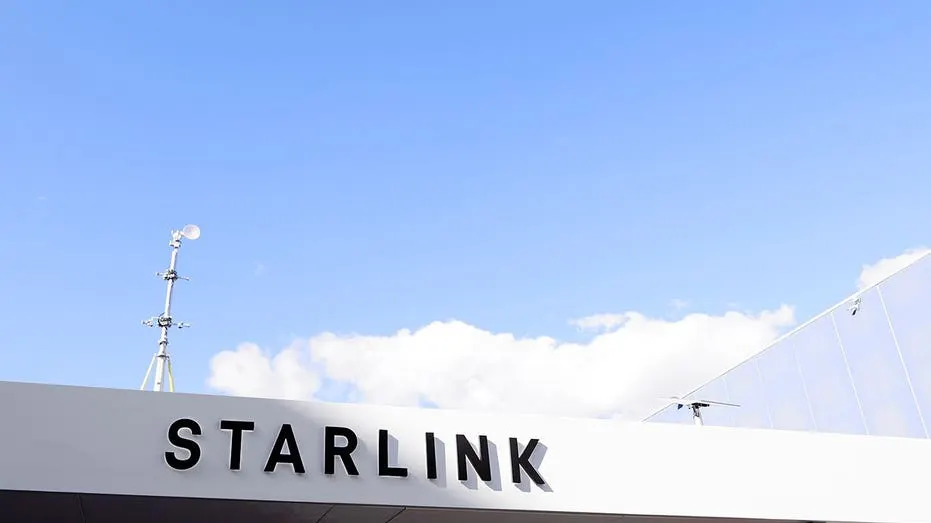
SpaceX is reportedly exploring a major expansion of Starlink into mobile phone service, seeking access to at least 80,000 cell sites across the United States. If pursued, the plan could make Starlink a direct competitor to Verizon, AT&T and T-Mobile and give customers another choice of carrier.
The discussions are preliminary, and SpaceX has not confirmed agreements for the sites. Crown Castle, which operates roughly 40,000 US cell towers, has said it is speaking with various companies, without naming them. Satellites can help cover remote areas, while ground-based sites may offer more reliable signals indoors or where the sky is obstructed; the article also says SpaceX has discussed adding small cellular stations to some customers’ Starlink equipment.
In short
- SpaceX is reportedly seeking access to 80,000 US cell sites.
- Starlink could become a mobile carrier competing with major networks.
- No agreements for the sites have been publicly confirmed.
Steelman: both sides, in good faith
The strongest fair case each way — we don't pick a winner.
The case for
A Starlink mobile service could give people another carrier choice and use satellites to reach remote areas where conventional networks are weak or absent. Adding ground-based sites could improve indoor and obstructed-area coverage, while competition may put pressure on established carriers to improve service or pricing.
The case against
A satellite operator entering mobile service could still struggle to match the dependable indoor and urban coverage that established networks provide, even with access to many cell sites. If it becomes a powerful new competitor, the shift could also unsettle existing providers and infrastructure arrangements, while customers may gain little if the promised coverage and choice do not materialise.
Explained simply
Starlink is SpaceX’s satellite internet service, using satellites to connect customers in places where standard broadband can be difficult to access. SpaceX, founded by Elon Musk, is also exploring how to provide mobile phone service, which could put it in competition with established US carriers such as Verizon, AT&T and T-Mobile.
Mobile networks rely on ground-based sites to send signals to phones, while satellites can extend coverage across remote areas. Combining the two could affect how widely a service reaches and how well it works indoors or where buildings and other obstacles block the sky.
Celebrity Entertainment Space Technology World