Business news and discussion on TalkFuse.
Rare bittern dies after unusual tour of Sheffield
Developed over time first seen 2 months ago
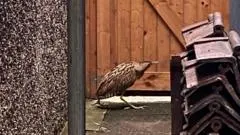
A juvenile bittern, one of Britain's rarest and most elusive birds, has died following an extraordinary and unprecedented appearance across Sheffield. The bird was initially spotted in the garden of Karine Nohr in Nether Edge before being seen at multiple urban locations including the River Sheaf and a cemetery in Sharrow. After being taken to Mansfield Wildlife Rescue, the bird was found to be severely undernourished and subsequently died. The sighting has been described as "almost exceptional" by the RSPB, as bitterns are exceptionally shy birds that normally inhabit remote wetlands and reedbeds, making an urban appearance highly unusual.
The bittern's displacement likely occurred during autumn migration, with experts suggesting that adverse weather or navigation difficulties may have forced an emergency landing in the city. Bitterns are Britain's loudest birds, known for their distinctive booming call, and whilst their population has recovered significantly in recent years—283 booming males were recorded across the country in 2024—they remain concentrated in specialist nature reserves. Recent breeding successes at Yorkshire reserves, including Potteric Carr's record-breaking season with six juveniles fledged this summer, demonstrate the ongoing recovery of the species from near-extinction in the region in 1997.
- Sources
- 2
- Outlets
- 2
- Left · Centre · Right
- 0 · 1 · 0
In short
- Rare Sheffield bittern died after becoming severely undernourished in urban setting
- Extremely unusual for shy wetland bird to appear in garden; likely storm-related displacement
- Bittern population recovering well, with 283 breeding males recorded in UK in 2024
How this story developed
- 2 months ago The death contrasts with the species' dramatic recovery: from 11 recorded in 1997 to 283 across the UK by 2024.
- 2 months ago The extraordinary sightings energised Sheffield's birdwatching community, with enthusiasts documenting appearances of a species ordinarily confined to remote wetland reserves.
- 2 months ago A juvenile bittern, one of Britain's rarest birds, died this week after appearing across multiple Sheffield locations before being found severely undernourished at a wildlife rescue centre.
Full account
A juvenile bittern, one of Britain's rarest and most elusive bird species, was discovered in an urban garden in Sheffield this week before subsequently dying whilst in the care of a wildlife rescue centre. The bird's appearance in Nether Edge represented an remarkable departure from the species' typical habitat, prompting experts to describe the sighting as extraordinary and shedding light on the unusual circumstances that occasionally displace these cryptic wetland dwellers.
The discovery came when resident Karine Nohr, aged 69, observed the large bird walking past her kitchen window and entering her garden, where it attempted to feed at her pond. After photographing the creature, Ms Nohr shared the image with her WhatsApp group to identify the species, prompting swift recognition and subsequent notification of the RSPB. Over the following days, the bird was spotted at multiple locations across the city, including the River Sheaf and a cemetery in Sharrow, accumulating considerable local attention before being brought into care.
Bitterns inhabit wetlands and reedbeds, where their remarkable cryptic plumage provides exceptional camouflage amongst vegetation. The species, which produces Britain's loudest avian calls through their characteristic booming vocalisations, had been considered an extinct breeding population in Yorkshire as recently as 1997. Conservation efforts and habitat management have since facilitated a recovery, though the birds remain uncommon and typically remain confined to nature reserves and managed wetland areas. Luke Phillips, head of RSPB supporter communications and a specialist in bittern habitat restoration, characterised the urban sighting as anomalous, noting that nocturnal migration occasionally leads birds to land in unsuitable locations during adverse weather conditions.
The bittern was transported to Mansfield Wildlife Rescue, where it was subsequently found to have died following assessment by specialists. Post-mortem examination revealed the bird to have been severely undernourished at the time of rescue, suggesting that its unexpected urban excursion had placed considerable physiological strain upon it. Experts advised members of the public who encounter such displaced birds, particularly those unable to fly, to contact local wildlife rescue services or the RSPCA rather than attempting to aid the animals independently.
Where outlets differ
From the full account, which is AI-written from the sources:
Only one substantive news source was provided; SOURCE 1 contained only Google privacy policy notices rather than news reporting. Comparative analysis of outlet emphasis is therefore not possible.
Explained simply
Bitterns are among Britain's rarest and most secretive birds, normally found only in remote wetlands and reedbeds far from human habitation. They are also the loudest birds in the country, known for their distinctive booming call that can carry for miles. These shy creatures are so rarely seen that an urban sighting is considered exceptionally unusual.
The bittern population in Britain has made a remarkable recovery in recent decades, rising from just 11 males in 1997 to 283 recorded in 2024. This resurgence has been particularly marked in Yorkshire, where nature reserves have reported record numbers of successfully raised young birds. The species has become established again across British wetlands after many years of decline.
When a bittern appears far from its natural wetland habitat, it typically indicates the bird has become displaced during migration, often pushed off course by bad weather or navigation difficulties. Such urban sightings occasionally occur during autumn migration when young birds venture away from their breeding grounds for the first time. Displaced birds like this are particularly vulnerable, as they find themselves in unfamiliar environments with limited access to suitable food and shelter.
Coverage · 2 sources
Business Markets Sheffield UK World