Elusive ‘Geoneutrinos’ Are Building a New Map of Earth’s Volatile Interior
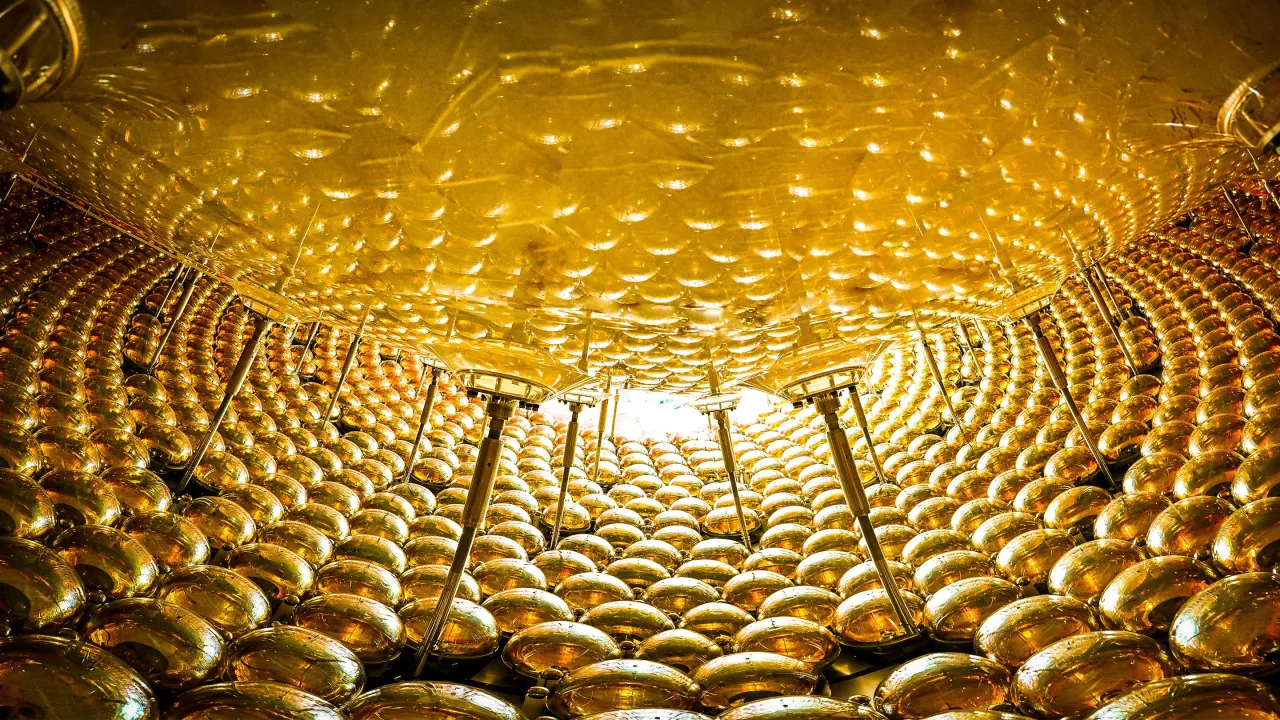
Scientists at the SNO+ detector in Canada have detected geoneutrinos for the first time in the western hemisphere, adding roughly 50 of these rare particles to the roughly 300 detected worldwide since 2005. Geoneutrinos are produced by radioactive decay in Earth's interior and help measure the heat that drives planet-altering processes like plate tectonics and the magnetic field. These first western hemisphere measurements matter because they offer a new geographical perspective that could reshape understanding of how Earth's radioactive interior is structured.
The SNO+ detector consists of a house-sized acrylic sphere buried nearly a kilometre underground, containing 780 tonnes of scintillating liquid and surrounded by nearly 10,000 light detectors. Early results suggest that different geographical locations are measuring different fluxes of geoneutrinos, hinting that radioactive elements—uranium, thorium, and potassium—are not uniformly distributed throughout the mantle as conventionally assumed. These findings may relate to anomalously hot, dense regions near Earth's core that geophysicists have identified under Africa and the Pacific Ocean.
- SNO+ detected 50 geoneutrinos in western hemisphere for the first time
- Measurements suggest Earth's radioactive elements are unevenly distributed
- Heat from radioactive decay powers Earth's plate tectonics and magnetic field
New here? Start with this
Geoneutrinos are ghostly particles produced deep within the Earth by the decay of radioactive elements such as uranium and thorium. Scientists study these elusive particles because they carry information about the heat generated inside our planet, which powers crucial geological processes including the movement of continents and the generation of Earth's protective magnetic field.
Physicists have been detecting geoneutrinos for roughly two decades through highly sensitive underground detectors, with measurements concentrated in just a few locations, mostly in Japan and Italy. New data from other regions help scientists piece together how radioactive elements are distributed throughout Earth's interior.
Early results hint that these elements are not evenly spread throughout the planet as previously assumed. This uneven distribution could help explain mysterious hot zones that geophysicists have detected deep beneath the surface, particularly under Africa and the Pacific Ocean.