Politics news and discussion on TalkFuse.
Emails reveal how Trump allies pushed pardons for election deniers
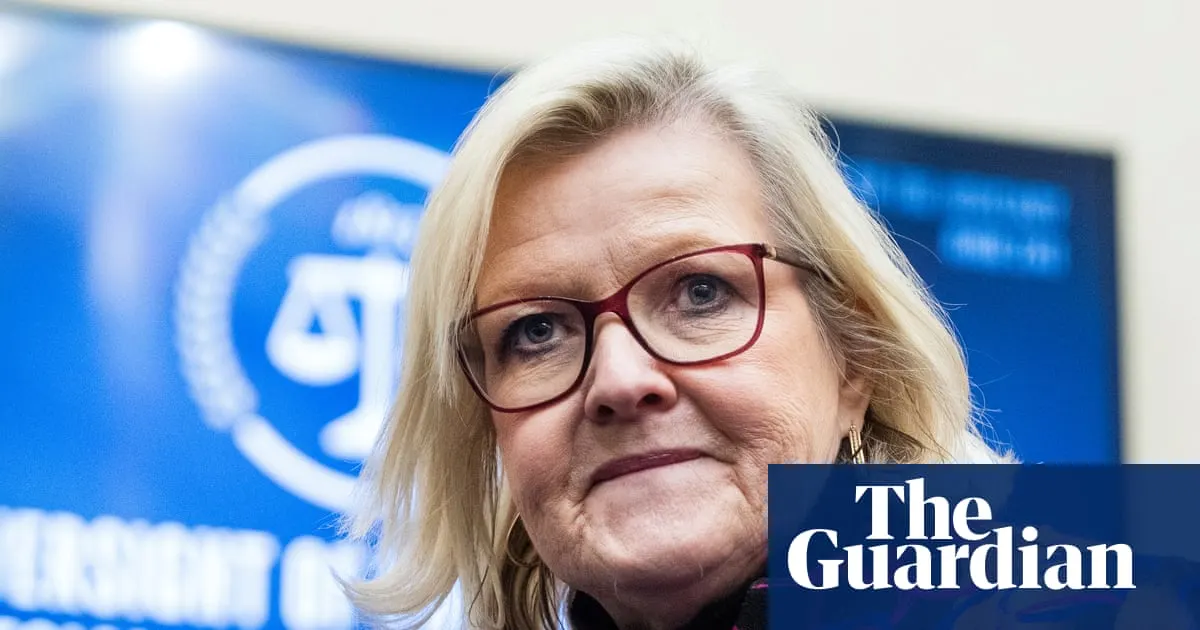
Emails obtained through a public records request show that Cleta Mitchell, a lawyer involved in efforts to overturn the 2020 US election, urged Justice Department official Ed Martin to expedite pardons for people charged over signing false elector certificates. Her messages reveal how Trump allies sought to use their access to secure federal pardons before state cases went to trial.
Mitchell wrote in autumn 2025 that delays would bring supporters financial and emotional costs, and suggested a pardon might help end charges in Georgia. Donald Trump later issued a blanket pardon, but it did not affect the state-level cases; Georgia’s charges were eventually dismissed for unrelated reasons. The emails also show Martin was preparing a case for pardons, which were part of wider efforts to revisit the 2020 election and shield allies from prosecution.
In short
- Mitchell pressed for swift pardons for fake electors.
- Trump’s pardons did not cover state charges.
- Emails show allies sought to influence the pardon process.
Steelman: both sides, in good faith
The strongest fair case each way — we don't pick a winner.
The case for
A president’s pardon power can be defended as a lawful tool to correct perceived overreach, bring an end to costly prosecutions and spare people punishment when supporters believe their conduct was politically motivated or legally misunderstood. On this view, allies may properly make that case to officials, and swift action can reduce uncertainty and personal hardship.
The case against
A pardon can be defended only as an exercise of public power guided by justice and the rule of law, not as protection secured through political access. Critics argue that expediting pardons for allies accused of participating in a false-elector effort risks weakening accountability, appearing to place politically connected people above ordinary legal processes, and undermining trust in elections.