Embattled Spanish PM insists there were no prior warnings before Ceuta crisis
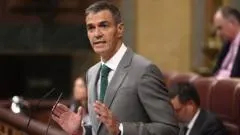
Spanish Prime Minister Pedro Sánchez has rejected claims that his government ignored warnings before roughly 72,000 migrants crossed into the Spanish exclave of Ceuta, telling parliament it was "absurd to think that the government knew and did nothing." The row has escalated from a humanitarian and logistical emergency into a serious political threat to Sánchez, with opposition leader Alberto Núñez Feijóo accusing him of lying and a cover-up and calling for his resignation, while tens of thousands of protesters took to Spanish streets in demonstrations partly backed by opposition parties.
Most of the migrants have since been returned to Morocco, but around 5,000, including as many as 1,400 children, remain on Ceuta's streets and beaches. A Spanish police report noted "total permissiveness" by Moroccan security forces during the crossing, though officials say it does not directly implicate Rabat, and Morocco has denied orchestrating the influx. Sánchez insisted there had been "close co-ordination" with Morocco and praised Ceuta police for prioritising human life, while the crisis has also strained ties with Italy, which imposed border restrictions on arrivals from Spain.
In short
- Sánchez denies government had prior warning before Ceuta's migrant crisis
- Opposition accuses him of cover-up, demands resignation amid mass protests
- Around 5,000 migrants, including 1,400 children, remain in Ceuta
Steelman: both sides, in good faith
The strongest fair case each way — we don't pick a winner.
The case for
Sánchez’s defence is that the sudden mass crossing was an exceptional emergency, and that the scale and timing of events do not prove his government had advance warning it could have acted on. His emphasis on co-ordination with Morocco and on police protecting lives reflects the practical limits of managing a fast-moving humanitarian crisis, while many migrants have since been returned.
The case against
Critics can reasonably argue that a crossing of this scale, alongside the reported permissiveness of Moroccan security forces, raises serious questions about whether warning signs were missed and whether the government was candid about its preparedness. They may see parliamentary scrutiny and calls for political accountability as warranted, particularly given the continuing presence of children and other migrants in precarious conditions.
Explained simply
Ceuta is a small Spanish territory on the North African coast, bordered by Morocco. Spain and Morocco share responsibility for managing their land border, and movement across it can become a diplomatic issue as well as a local challenge for police and services.
Pedro Sánchez leads Spain’s government, while Alberto Núñez Feijóo leads the main opposition party. Their dispute concerns what Spanish officials knew before the crossings and how they dealt with Morocco; Morocco denies arranging the influx. The episode matters because it has put pressure on Spain’s government and its relations with neighbouring countries, while leaving local authorities to support people who remain in Ceuta.