Emily Kinney Returns as Beth in Dead City Season 3’s Groundbreaking Alternate Reality Episode
Developed over time first seen 2 months ago
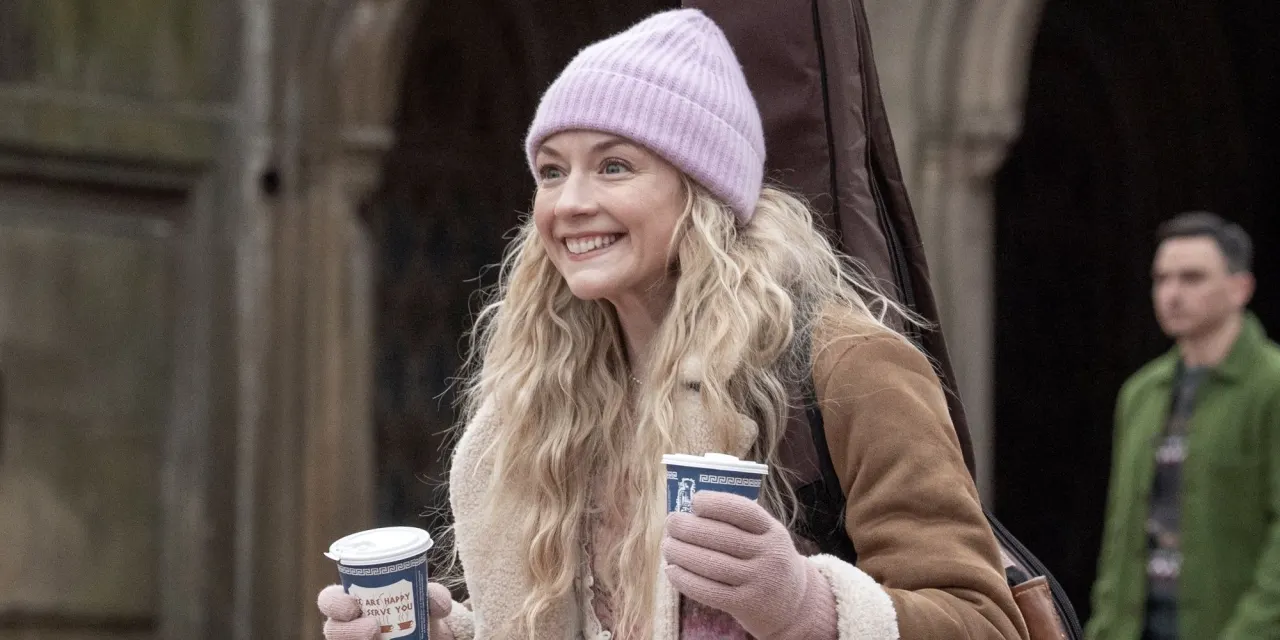
The Walking Dead: Dead City's third season marks Emily Kinney's long-awaited return to the franchise in the role of Beth Greene, appearing in Episode 6 within a narrative framework that deviates dramatically from the show's established continuity. Rather than resurrecting Beth within the canon timeline, showrunner Seth Hoffman conceived an imaginative alternate scenario where the character reemerges, offering fans a new perspective on a beloved character whose exit in Season 5 left a significant impact on the story.
Central to this experimental storytelling is the episode 'Genesis,' which entirely reimagines the world absent the undead threat. The episode places Maggie and Negan in a spontaneous meeting within New York City, free from the constant danger of walkers that typically defines their existence. This unconventional approach represents a notable departure for the franchise, allowing the narrative to explore character dynamics in radically different circumstances and demonstrating the show's willingness to experiment with its established format.
- Emily Kinney reprises Beth Greene in Dead City Season 3, marking her first appearance as the character since the original series' Season 5
- The 'Genesis' episode uses an alternate reality to present Maggie and Negan meeting in a Walker-free New York City
- The experimental episode format challenges franchise conventions and opens new narrative possibilities
New here? Start with this
Beth Greene, played by Emily Kinney, was one of the more beloved characters in the original Walking Dead series before she died in Season 5, and her death was a major emotional moment for fans at the time. Dead City is a spin-off series that follows Maggie and Negan, two characters with a long and complicated history in the wider franchise. Kinney had not appeared in the franchise since Beth's death, so her return has been highly anticipated.
Rather than bringing Beth back within the normal storyline, the show's makers built a standalone episode called "Genesis" that imagines a version of the world without zombies, allowing Maggie and Negan to meet in New York City under entirely different, danger-free circumstances. This kind of episode, set apart from the show's usual continuity, is unusual for the franchise and lets the writers explore the characters in a new way rather than advancing the main plot.
The story matters to fans because it offers a rare and unexpected reunion with a character long thought gone for good, and because the experimental format shows the franchise trying something creatively different after more than a decade of storytelling within the same zombie-apocalypse setting.
Both sides, in good faith
The strongest fair case each way — we don't pick a winner.
The case for
This represents creative innovation that honours a beloved character's legacy whilst preserving narrative integrity by keeping the scenario outside canon. Fans have mourned Beth's death for over a decade, and an imaginative alternate scenario offers both closure and fresh perspectives on established characters. Exploring character dynamics in radically different circumstances enriches viewers' understanding of these figures and demonstrates the franchise's willingness to evolve beyond zombie-centric storytelling, potentially opening exciting new creative avenues.
The case against
Alternate reality episodes risk undermining the weight of established narrative consequences and character deaths that define The Walking Dead's dramatic stakes. Some viewers contend that resources devoted to non-canon explorations might be better invested in the primary timeline, and that bringing back deceased characters—even in hypothetical scenarios—can feel like fan service that cheapens the gravity of earlier storytelling decisions rather than earning emotional resonance through genuinely new narratives.
Full account
Emily Kinney has returned to The Walking Dead franchise as Beth Greene in the sixth episode of The Walking Dead: Dead City’s third season, titled “Genesis”. Beth was killed in the fifth season of the original series, and the new appearance is framed through an alternate-reality storyline rather than a reversal of that death within the main continuity. The episode imagines a New York without walkers, placing Maggie, played by Lauren Cohan, and Negan, played by Jeffrey Dean Morgan, in a markedly different version of their world.
In this setting, Maggie encounters Beth again and the two share ordinary, peaceful moments that would have been impossible in the apocalypse, including a walk through Central Park with hot chocolate. Beth is also shown singing in a bar. The scenario allows the character to be presented as an adult whose life was not defined by survival, loss and the circumstances that led to her death in the original series.
Kinney told Collider that she was drawn to the opportunity to explore who Beth might have become in her thirties, rather than attempting to recreate the teenage version of the role. She said the script offered a thoughtful way to revisit the character and that returning to work with Cohan was a major attraction. The actor also discussed performing one of her own songs in the episode and expressed hope that viewers who cared about Beth would find some resolution in the appearance.
Cohan described the episode as an unusual chance for the long-running franchise to step outside its established mould. She said the alternate reality exposes different aspects of Maggie and Negan by removing the trauma, violence and shared history that normally govern their relationship. In her view, the episode connects to Season 3’s broader interest in how changed circumstances or altered perspectives can lead people down different paths, while giving Maggie a rare opportunity to appear more relaxed and open.
Where outlets differ
Both reports are Collider interviews and agree on the episode’s alternate-reality premise and Kinney’s return. Kinney’s interview concentrates on Beth: revisiting the role as an adult, her reunion with Cohan, the musical performance and the hoped-for response from Beth’s fans. Cohan’s interview gives greater weight to Maggie and Negan, showrunner Seth Hoffman’s concept for the episode, and the thematic value of imagining lives shaped by different circumstances.