Encores, order and audiences: The complicated psychology of setlists explained
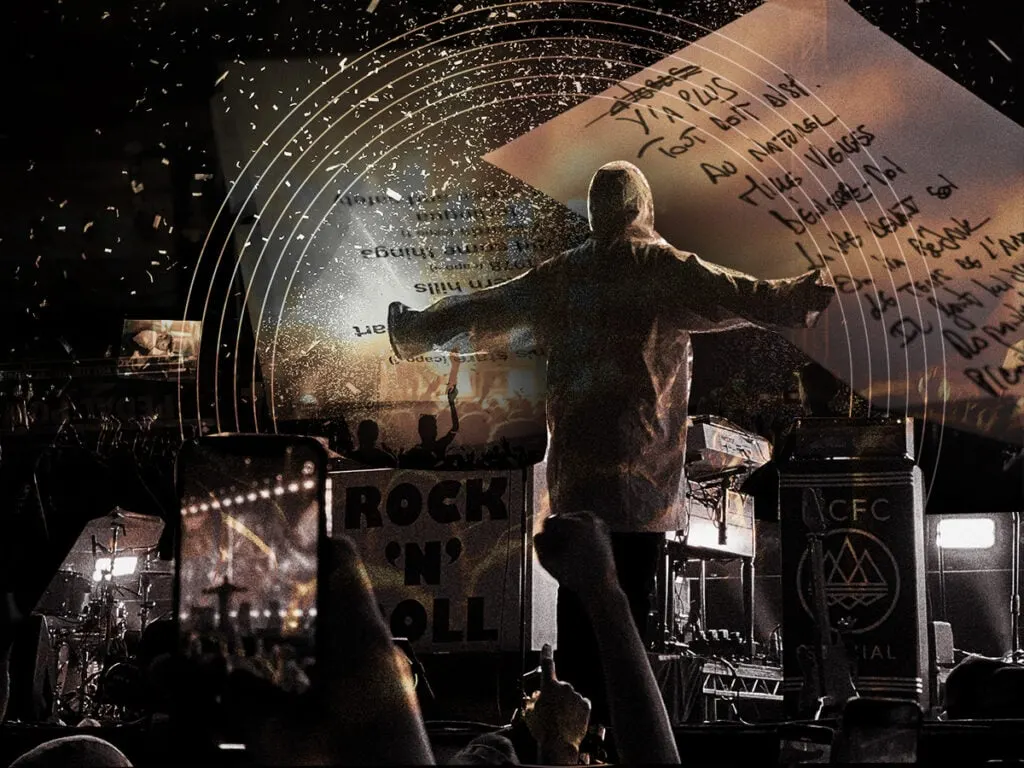
The article argues that a carefully ordered setlist can shape a giggoer’s emotions and attention, helping a performance feel absorbing even when the music has been rehearsed many times. Encores extend that effect, giving audiences a final burst of excitement and a sense of closure before they return to everyday life.
It traces the encore from 18th-century audiences demanding an immediate repeat of a favourite piece to its adoption as a planned end-of-show tradition in the 1960s. Elvis Presley, by contrast, did not perform encores, as his manager believed leaving audiences wanting more was more powerful. The article describes a typical setlist arc: a distinctive opener, familiar hits, a quieter section, renewed high energy, more new and familiar songs, then a pause before the encore.
- Setlists guide the emotional pace of a live show.
- Encores evolved from spontaneous demands into a planned finale.
- A familiar set can still feel fresh when performed live.
New here? Start with this
A setlist is the order in which songs are played at a concert. Musicians and their teams choose that order to guide the pace of a show, balancing familiar songs with quieter moments and higher-energy sections.
An encore is a performance after the main set has ended, usually following audience applause or calls for more. Audiences once demanded repeat performances of favourite pieces, and encores later became a planned part of many concerts; some performers, including Elvis Presley, chose not to give them.
The order of songs can affect what listeners notice and how the concert feels as it unfolds. An encore can add excitement and give the evening a clear ending before people return to their routines.