End Of Abyss review – a creepy dollhouse take on Resident Evil and The Thing
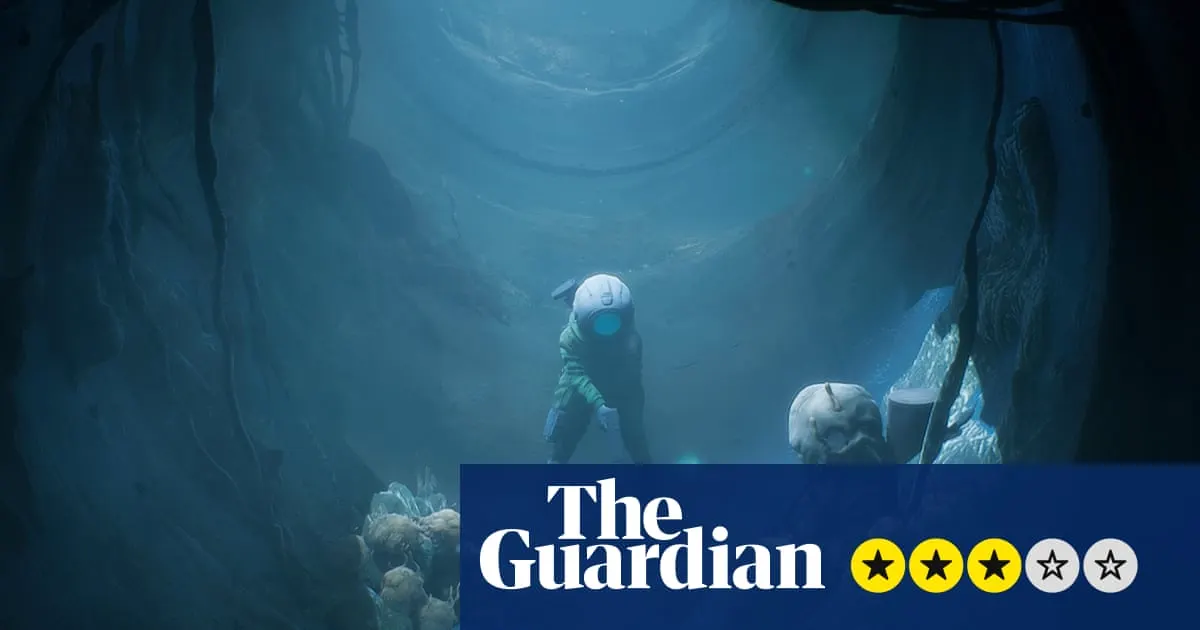
End of Abyss is a survival horror game set in an abandoned facility, presented as a tiny, eerie dollhouse viewed from above. Its carefully composed scenes and sudden monster attacks create effective scares, drawing on the fixed-camera style of early Resident Evil, but the review finds that the game’s ambitions eventually undermine its strongest qualities.
The facility is a large, interconnected maze, and the slow-moving hero must navigate confusing doors and zones while managing limited ammunition. A hard-to-read map and dim, similar-looking rooms lead to repeated backtracking; the reviewer also found aiming and reloading awkward. After about 12 hours, the reviewer reached the final boss feeling exhausted and unmotivated to explore the remaining areas.
- Dollhouse visuals make for striking horror scenes.
- Maze-like exploration and unclear maps cause backtracking.
- Repetition leaves the reviewer exhausted after 12 hours.
New here? Start with this
End of Abyss is a survival horror video game, a genre where players navigate dangerous environments with limited resources whilst avoiding or fighting threats. This game presents its action through a distinctive overhead view that makes the facility look like a miniature dollhouse, drawing inspiration from the fixed-camera style of early Resident Evil games, which were celebrated for using restricted perspectives to create tension and atmosphere.
Players guide a slow-moving character through a sprawling, maze-like abandoned facility that is deliberately difficult to navigate. The dim, similar-looking rooms, unclear map, and scarce ammunition create challenges that require careful exploration and resource management, with players needing to backtrack through familiar areas as they gradually uncover new routes forward.
Survival horror games rely on balancing atmosphere and creative design choices with gameplay accessibility and pacing. Reviews of such games often focus on whether the distinctive vision successfully enhances the experience, or whether design constraints undermine the player's ability to progress and enjoy the game over its full length.
Both sides, in good faith
The strongest fair case each way — we don't pick a winner.
The case for
The game's confusing layout, limited map, and awkward controls are deliberate design choices meant to create genuine dread and immersion rather than accessibility. Intentional difficulty and disorientation are legitimate survival horror tactics that some audiences prefer to modern convenience features. The effective scares and creative dollhouse presentation demonstrate strong artistic ambition, and players who embrace this uncompromising approach will find it more authentically horrifying.
The case against
A game's atmospheric strengths matter only if core mechanics remain functional and design remains navigable. The reviewer's exhaustion after 12 hours suggests the experience crossed from engaging difficulty into accumulated frustration, where clunky aiming and confusing navigation became obstacles rather than tools. Effective survival horror typically balances challenge with legible systems; when mechanics feel problematic rather than purposefully challenging, they actively undermine the atmosphere the game works to establish.
Art Celebrity Culture Entertainment Fashion Gaming Horror Music Paranormal Technology Weird & Viral