Culture news and discussion on TalkFuse.
End-of-term chaos at Cornwall holiday hotspot: Police ban gatherings after hundreds of private school pupils swarm beach for boozy parties
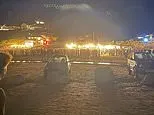
The Cornish coastal village of Polzeath has been overwhelmed by disorder after hundreds of teenagers, said by residents to be pupils from nearby private schools, gathered on its beach this week for end-of-term parties. The youngsters reportedly drank heavily, smashed glasses and engaged in sexual activity, prompting Devon and Cornwall Police to issue a dispersal order to prevent further gatherings. The move is notable because such orders are usually reserved for serious anti-social incidents such as protests or riots, underlining the scale of local concern.
The dispersal order came into force on 8 July and was due to expire on the day of publication, though police indicated it could be extended if disturbances continued. The action followed an incident on the Tuesday night in which youths became hostile towards Andy Stewart, 55, a former police officer who has served as the area's beach ranger since 2019 and has tried to address the problem through prevention and education. For context, the report notes that police in Oxford were granted similar dispersal powers only last month to disrupt a Tommy Robinson protest, while affected residents have taken to social media to air their complaints.
In short
- Hundreds of teens held boozy end-of-term parties on Polzeath beach.
- Police issued an unusual dispersal order running from 8 July.
- Youths reportedly turned hostile towards the local beach ranger.
Steelman: both sides, in good faith
The strongest fair case each way — we don't pick a winner.
The case for
The behaviour described—heavy drinking, smashing glasses, public sexual activity and hostile confrontation with a beach ranger attempting to maintain safety—constitutes genuine anti-social behaviour that disrupts a community's use of public space and damages its economy. Residents and businesses depend on the beach being usable, and when education and prevention measures prove insufficient, police have a legitimate responsibility to restore order. The dispersal order is a measured response that doesn't criminalise individuals but temporarily restricts gatherings to protect public spaces and residents' quality of life.
The case against
Teenagers gathering for end-of-term celebrations is normal adolescent behaviour, and whilst disorder is regrettable, deploying a dispersal order usually reserved for serious protests or riots appears disproportionate. These powers restrict freedom of assembly for all people in an area, not merely those behaving poorly, and the specific characterisation of private school pupils risks unfair stereotyping. A single hostile incident does not necessarily justify police powers meant for civil unrest being applied to young people engaging in age-typical behaviour, however untidily.
Explained simply
Polzeath is a coastal village in Cornwall that has been disrupted this week by hundreds of teenagers, believed to be pupils from nearby private schools, who gathered on its beach for end-of-term celebrations. The gatherings involved heavy drinking, smashed glasses and sexual activity, causing considerable alarm among residents.
Police issued a dispersal order banning further gatherings, a measure normally used only for serious incidents such as violent protests or riots. The use of such an exceptional enforcement power indicates the scale of disruption and concern within the community.
Some seaside communities face particular challenges during school holiday periods when large groups of young visitors gather in concentrated locations. Polzeath's appeal as a beach destination has made it a focal point for end-of-term gatherings.