Science news and discussion on TalkFuse.
Endurance athlete Lewis Pugh braves Strait of Hormuz amid explosions to highlight Iran war’s impact on wildlife
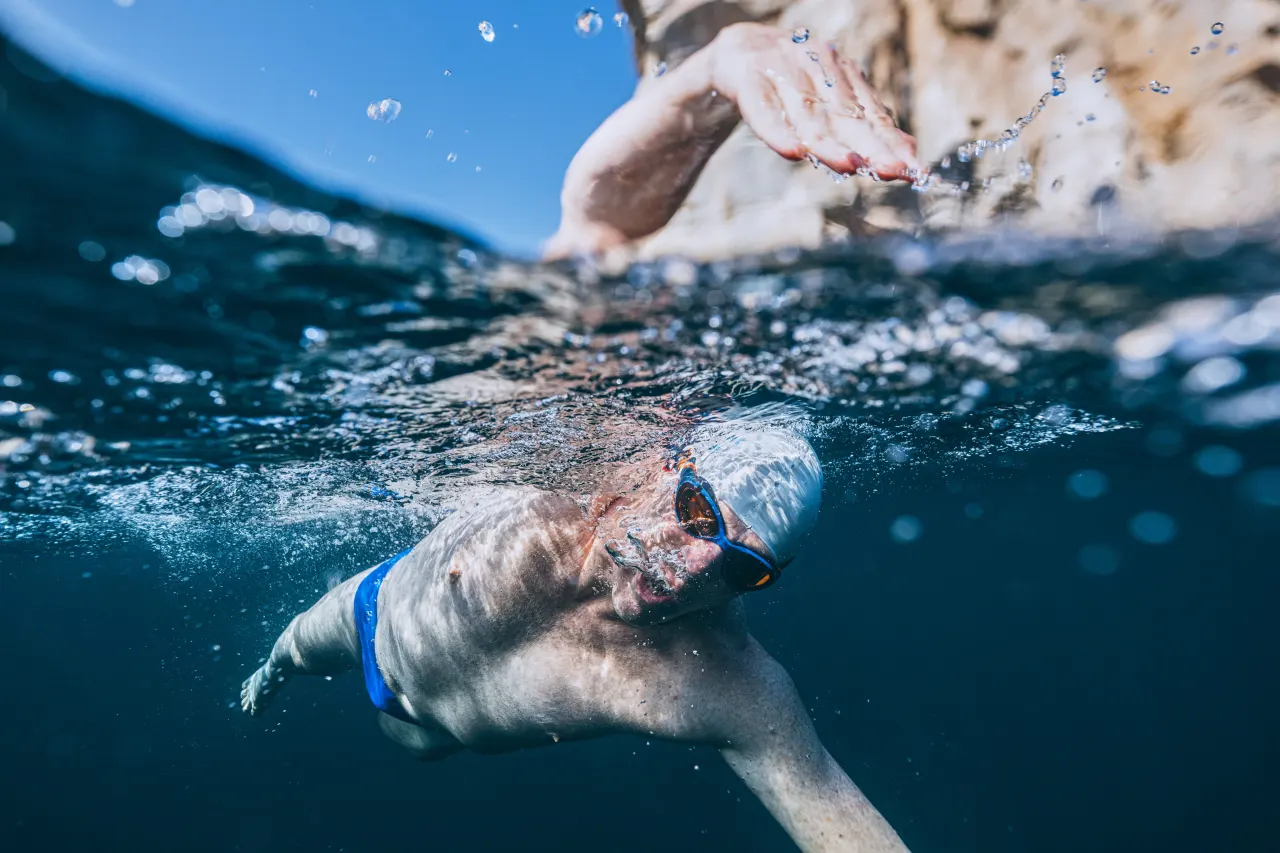
Endurance swimmer Lewis Pugh completed a roughly 9.3-mile swim in sections over three days in the Strait of Hormuz, despite nearby vessel attacks and explosions. The UN Patron of the Oceans said he undertook the challenge to draw attention to the threat the Iran war poses to the region’s marine habitats and wildlife.
Pugh, 56, said an oil tanker was hit minutes after he entered the water, and he later passed a gas carrier engulfed in flames. The strait carried about a fifth of the oil traded globally before the war began on 28 February; attacks and mines have damaged dozens of tankers since then. Pugh warned that oil and chemical pollution could harm dolphins, turtles, coral reefs and mangroves for generations.
In short
- Lewis Pugh swam about 9.3 miles in the Strait of Hormuz.
- Nearby tanker attacks exposed him to explosions and flames.
- He warned pollution could damage wildlife and habitats for generations.
Explained simply
The Strait of Hormuz is a narrow sea passage between Iran and Oman, linking the Gulf to the open ocean. Before the war began on 28 February, about a fifth of the oil traded around the world passed through it.
Lewis Pugh is a British-South African endurance swimmer and the United Nations’ Patron of the Oceans, a role focused on raising awareness of marine issues. The strait’s waters are also home to wildlife and habitats, including dolphins, turtles, coral reefs and mangroves.
Attacks on vessels and the use of mines have damaged tankers in the area. Oil or chemical spills could affect marine life and coastal habitats, with pollution potentially lasting beyond the conflict.
Environment Middle East Science World