World news and discussion on TalkFuse.
Iran war could lift typical annual energy bills by £443 in January
Developed over time first seen 2 days ago
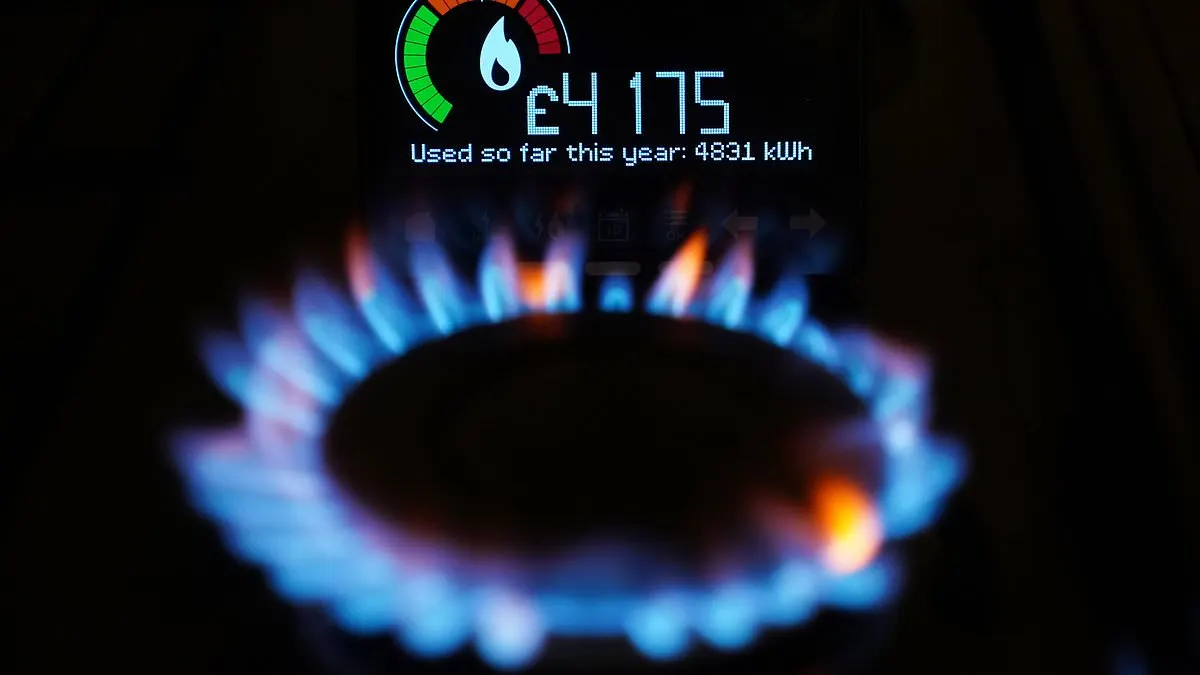
Cornwall Insight forecasts that the typical annual household energy bill will rise by £443, or 26 per cent, to £2,166 from 1 January. The increase would take bills to their highest level since 2023, as the Iran war and wider Middle East tensions have driven up wholesale energy costs.
The forecast excludes a one-off £100 Government payment for eligible households in council tax bands A to D in England, as well as other support announced by ministers. Ofgem is due to confirm the January-to-March price cap on 25 November; Cornwall Insight says bills could rise slightly again in April, but its estimates may change as wholesale prices fluctuate.
- Sources
- 3
- Outlets
- 3
- Left · Centre · Right
- 0 · 1 · 2
In short
- Typical annual bills are forecast to rise by £443 in January.
- The projected price cap is £2,166, up 26 per cent.
- Ofgem will confirm the quarterly cap on 25 November.
How this story developed
- 2 days ago The End Fuel Poverty Coalition warned that gas could cost households more per unit this winter than ever before, while Britain Remade blamed reliance on volatile international gas markets for driving up costs.
- 2 days ago Cornwall Insight reiterated the £443 increase and said bills could rise slightly again in April, though its forecast may shift before Ofgem announces the cap on 25 November.
- 2 days ago The latest coverage added details of support: the forecast excludes a £100 payment for eligible homes in England, while around six million low-income households may qualify for the £150 Warm Home Discount.
- 2 days ago Cornwall Insight predicted that the Ofgem price cap would push a typical household’s annual energy bill up by 26 per cent to £2,166 in January, citing wholesale market volatility linked to the Iran war.
Full account
Household energy bills could rise sharply in January, with a typical annual bill reaching £2,166, according to a forecast by Cornwall Insight. That would be a 26 per cent increase, or £443 more than the current price cap of £1,723. Ofgem is due to announce the cap for January to March on 25 November; the consultancy’s figure is an estimate, not the regulator’s final decision.
The expected increase follows higher wholesale energy prices linked to the Iran war. Prices have eased in recent weeks amid hopes of a resolution to the wider Middle East conflict, but Cornwall Insight says the changes are unlikely to prevent a rise in January. Its forecast may shift before the cap is announced, given market volatility. It anticipates a further, smaller increase in April, though that too remains uncertain.
The rise would add pressure for households going into colder weather, when energy use tends to increase. Government support includes a one-off £100 payment for eligible households, the removal of VAT from electricity bills and a £150 Warm Home Discount for around six million low-income households. The £100 payment is not built into Cornwall Insight’s price-cap forecast because it is paid separately. The Energy Secretary said the measures were intended to ease costs and described affordability as her priority.
The higher cap could also contribute to inflation. One report places the forecast in the context of the Bank of England’s November outlook: Cornwall Insight’s estimate is above the Bank’s £2,150 projection, while inflation was 3.6 per cent in the year to October and the Bank’s central forecast suggested it could approach 5 per cent in the middle of next year. That report also discusses concerns about pay settlements and a possible price-wage spiral, alongside disagreement among economists over workers’ bargaining power and whether interest rates should rise.
Where outlets differ
From the full account, which is AI-written from the sources:
The first report focuses on household costs, government support and the longer-term case for reducing exposure to gas prices. It notes the possibility of a smaller April rise and stresses that forecasts may change.
The second report gives more economic context, comparing the estimate with the Bank of England’s £2,150 projection and discussing inflation, pay bargaining and interest-rate arguments. It also refers to a £60 increase in July after the war began in March. Those details are not included in the first report.
The reports describe the £100 payment with slightly different scope: the first specifies households in council tax bands A to D in England, while the second says eligible households and gives a figure of up to 20 million recipients.
Centre outlets 1
Only here: forecast, inflation, rises
Right-leaning outlets 2
- Iran war could lift typical annual energy bills by £443 in JanuaryDaily Mail
- Households set for £443 increase on energy billsCity AM
Only here: iran, lift, typical, annual, households
Every side used: energy, bills, january
Headline columns compared word for word; nothing in them is AI-written.
Steelman: both sides, in good faith
The strongest fair case each way — we don't pick a winner.
The case for
Higher wholesale energy costs linked to the Iran war may be passed on to households through the price cap, making a substantial bill increase difficult to avoid without shifting the cost elsewhere. Support payments and tax changes can cushion the blow for some, while a cap that reflects market costs may help maintain confidence in supply and investment.
The case against
A sharp increase would deepen cost-of-living pressures, especially for lower-income households and people who need more energy during winter. Critics can argue that relying on targeted, temporary support leaves many exposed to volatile gas prices and that government should do more to protect households or reduce dependence on gas.
Explained simply
Energy bills in Great Britain are limited by an Ofgem price cap, which sets the maximum rates suppliers can charge for each unit of gas and electricity and the daily standing charge. The cap is reviewed every three months, so changes in wholesale energy costs can affect what households pay when it is updated.
Gas prices influence electricity costs because gas-fired power stations supply part of the UK’s electricity. Conflict involving Iran can unsettle energy markets and push wholesale prices up, though forecasts may change as prices move.
The Government has introduced support for some households, including a discount for eligible low-income homes, and has announced changes to VAT on electricity bills. The price cap and these measures affect household costs differently, so the final amount paid depends on energy use and eligibility.
Coverage · 3 sources
Bias meters
From 3 rated sources.
Read the full article at the source →
Originally published by Daily Mail as “Energy bills set to soar by £443 this winter with prices expected to hit highest level since 2023 due to chaos in the Middle East”.