World news and discussion on TalkFuse.
Energy prices rise in defiance of Trump campaign promises
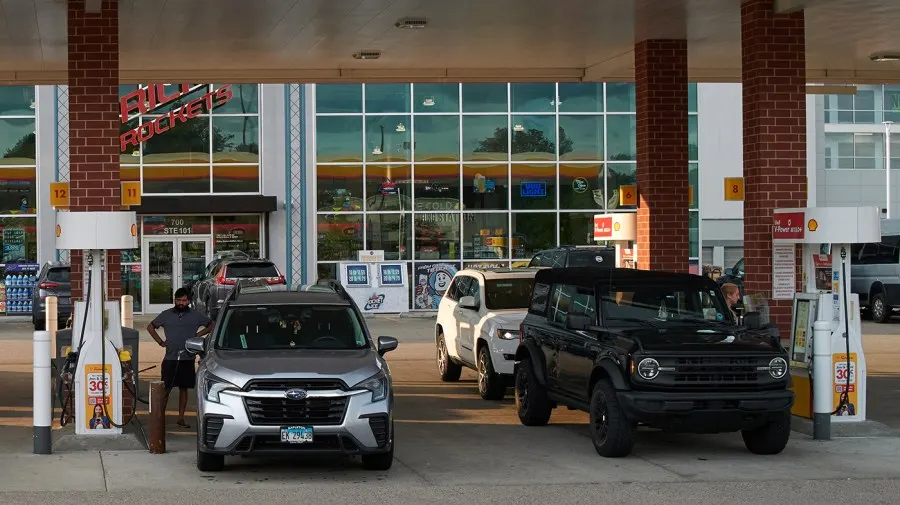
US gasoline and household electricity prices have risen despite President Trump’s campaign pledge to cut energy and power costs sharply. The article says the increases matter because they raise household living costs directly and can feed through into food, transport and heating bills.
Average household electricity prices in the first five months of 2026 were about 12 per cent above the equivalent period in 2024, while petrol averaged $4.11 per gallon, roughly 60 cents higher than two years earlier. The article attributes the petrol rise largely to disruption from the US-Iran war affecting major shipping routes, while analysts link electricity costs to delayed grid investment and say a 50 per cent cut within 18 months was unrealistic.
In short
- Energy prices have risen despite Trump’s promised cuts.
- Petrol costs are linked to Middle East conflict disruption.
- Electricity bills reflect long-term grid investment costs.
Steelman: both sides, in good faith
The strongest fair case each way — we don't pick a winner.
The case for
Trump made an explicit campaign pledge to sharply reduce energy costs, yet prices have risen substantially—electricity up 12% since 2024 and petrol up 60 cents per gallon. This broken promise directly harms household finances and credibility with voters who supported him partly on these grounds. Regardless of external pressures, the President's responsibility for energy policy is substantial, and the results speak to either overpromised pledges or ineffective policy delivery.
The case against
Crude oil prices, affected by the US-Iran war and global shipping disruptions, lie largely beyond presidential control; similarly, electricity price pressures reflect structural grid infrastructure deficits requiring years of investment to resolve. The original campaign promise of a 50% reduction within 18 months was unrealistic from the outset given how energy markets function. Judging the President solely against an ambitious campaign pledge whilst ignoring geopolitical shocks and the genuine constraints of energy policy amounts to unfair assessment.
Explained simply
During his presidential campaign, Donald Trump promised to cut American energy and power costs significantly. However, petrol and household electricity prices have increased rather than fallen in 2026, running counter to that pledge.
These price rises matter because energy and power costs directly affect household budgets. Higher petrol and electricity bills ripple through the economy into transport, heating and food prices, squeezing family finances more broadly.
Analysts attribute the rises to different factors. The increase in petrol prices stems largely from shipping disruptions caused by the US-Iran war, whilst electricity costs have risen due to delayed power system upgrades. Some observers note that Trump's campaign promise of a 50 per cent electricity cost reduction within 18 months was unrealistic given these obstacles.
Americas Business Elections Government Markets Politics World