England’s 1966 World Cup heroes were fun, humble and unlike today’s stars
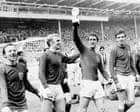
A Guardian columnist reflects on personal encounters with England's 1966 World Cup-winning squad, marking 60 years since the triumph, portraying the players as down-to-earth and approachable in contrast with the wealth and detachment of today's Premier League stars. The piece uses anecdotes involving Geoff Hurst, Alf Ramsey and the Charlton brothers to illustrate an era when even household names remained modest despite their fame, offering a nostalgic contrast to modern football culture.
The writer recalls helping Geoff Hurst rehearse an after-dinner speech in his living room and recounts stories about Alf Ramsey's man-management style, including a pointed remark to Hurst that his place in the team was never guaranteed. It also notes Ramsey's modest salary as England manager (£4,500 rising to £5,000 a year, plus help buying a house), and describes how many of the 1966 squad supplemented their income into the 1980s and beyond by performing at working men's clubs and sporting dinners, unlike today's players who earn hundreds of thousands of pounds a month.
- Guardian writer recalls personal meetings with England's 1966 World Cup winners
- Players like Geoff Hurst stayed humble despite fame, unlike today's stars
- Squad earned extra cash doing after-dinner speaking and club performances for years
New here? Start with this
England won the FIFA World Cup in 1966, a triumph that remains one of the nation's most celebrated sporting achievements and is being commemorated sixty years on. The squad members who won that tournament have become subjects of recent nostalgic reflection.
The 1966 squad included players such as Geoff Hurst and brothers Bobby and Jack Charlton, led by manager Alf Ramsey. Despite the enormous fame that came from winning the world's most prestigious football competition, these men lived comparatively modest lives with far lower incomes than top footballers today.
The reflection highlights how dramatically football finances and players' lifestyles have changed over six decades. Even managers earned modest annual salaries then, and many players supplemented their income for years by working at sporting dinners and clubs. Today's Premier League players earn hundreds of thousands of pounds monthly, reflecting how the sport's commercial value has transformed.
Both sides, in good faith
The strongest fair case each way — we don't pick a winner.
The case for
The 1966 players’ modest earnings and willingness to meet supporters at local clubs can be seen as signs of a more accessible football culture. Remembering them fondly may highlight values such as humility, connection with ordinary fans and a sense that fame did not put players beyond everyday life.
The case against
The comparison risks romanticising an earlier era: anecdotes about approachable players do not establish that the whole squad was more humble, and lower pay alone does not prove greater warmth. Today’s salaries reflect football’s far larger commercial reach, while players may be less accessible because the sport and public scrutiny have changed; wealth by itself does not show that they are detached.