News, events and chat from Sheffield and South Yorkshire.
England’s first health commissioner is appointed
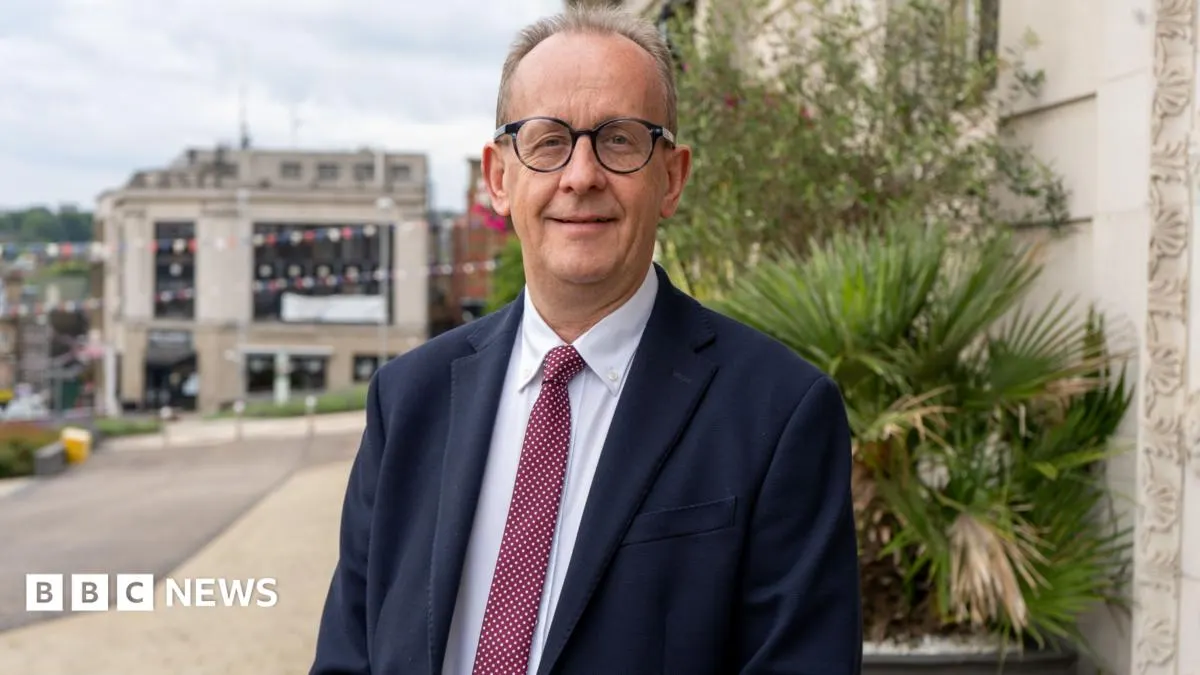
South Yorkshire has appointed former Barnsley Council leader Sir Steve Houghton as England’s first regional health commissioner, a role intended to reduce health inequalities and improve how services work together. The appointment is part of a government pilot giving devolved regions and mayors more influence over issues that shape public health.
Houghton will coordinate work involving the NHS, councils, community groups and other public services, with a focus on how housing, jobs, skills, transport and the environment affect health. In Barnsley, Doncaster and Rotherham, people spend around five to six fewer years in good health than the England average, and healthy life expectancy differs by up to 20 years between the region’s most and least affluent communities. Houghton previously led Barnsley Council for nearly 30 years and supported town-centre healthcare initiatives linked to a 22% rise in breast screening attendance and a quarter fewer missed appointments.
In short
- South Yorkshire appointed England’s first regional health commissioner.
- Sir Steve Houghton will coordinate services to tackle health inequalities.
- Healthy life expectancy varies by up to 20 years across the region.
Steelman: both sides, in good faith
The strongest fair case each way — we don't pick a winner.
The case for
A regional commissioner could help tackle the conditions that drive poor health by bringing the NHS, councils and community services together around housing, jobs, transport and prevention. South Yorkshire’s stark health gaps make locally coordinated action valuable, and Houghton’s long experience in Barnsley offers a basis for working across public services.
The case against
Giving a new regional role influence over health policy could add bureaucracy and blur accountability between the NHS, councils and elected leaders. The pilot’s impact may be hard to establish, and local coordination alone may not close deep health gaps without sustained funding and clear powers to change services and the wider conditions affecting health.