Enterprises are sweating legacy IT assets as AI investment grows
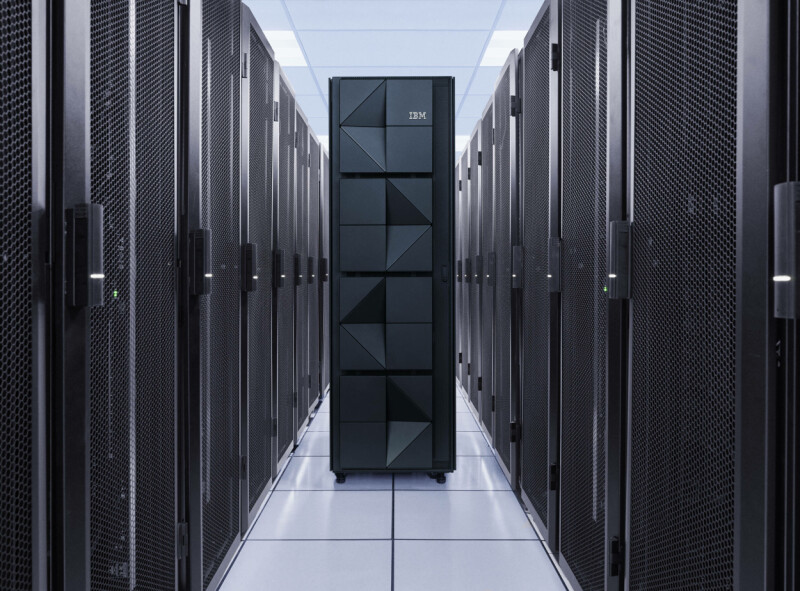
Businesses are becoming more cautious about retiring legacy IT systems such as mainframes, as growing investment in AI leads many organisations to keep this older infrastructure running for longer. A new report from managed services firm Ensono finds that a large majority of IT decision-makers now see legacy systems as more valuable than they did two years ago, largely because these systems hold the data and business logic needed to underpin AI initiatives, rather than being treated purely as candidates for replacement.
Ensono's 2026 State of IT Modernization report, based on a survey of 500 IT decision-makers and business leaders in the US and UK, found that 78% now rate legacy systems as more important than two years ago, with 45% actively scaling AI deployments and 44% pursuing targeted AI use cases. Integration difficulties (33%) and infrastructure limitations (28%) were cited as the biggest barriers to AI goals, prompting nearly half of firms to treat mainframes as a critical AI data foundation, while over half favour extending and optimising existing systems rather than replacing them outright—a strategy slightly more common in the UK (57%) than the US (48%). Similar views were previously voiced by Kyndryl and Gartner, and HPE has separately noted customers stretching hardware refresh cycles from five to seven years.
- AI investment is making firms keep legacy mainframes rather than replace them
- 78% of IT leaders say legacy systems are more important than two years ago
- Integration and infrastructure limits are the top barriers to AI adoption