Technology news and discussion on TalkFuse.
Epic Games integrates AI voices into 36 Fortnite characters
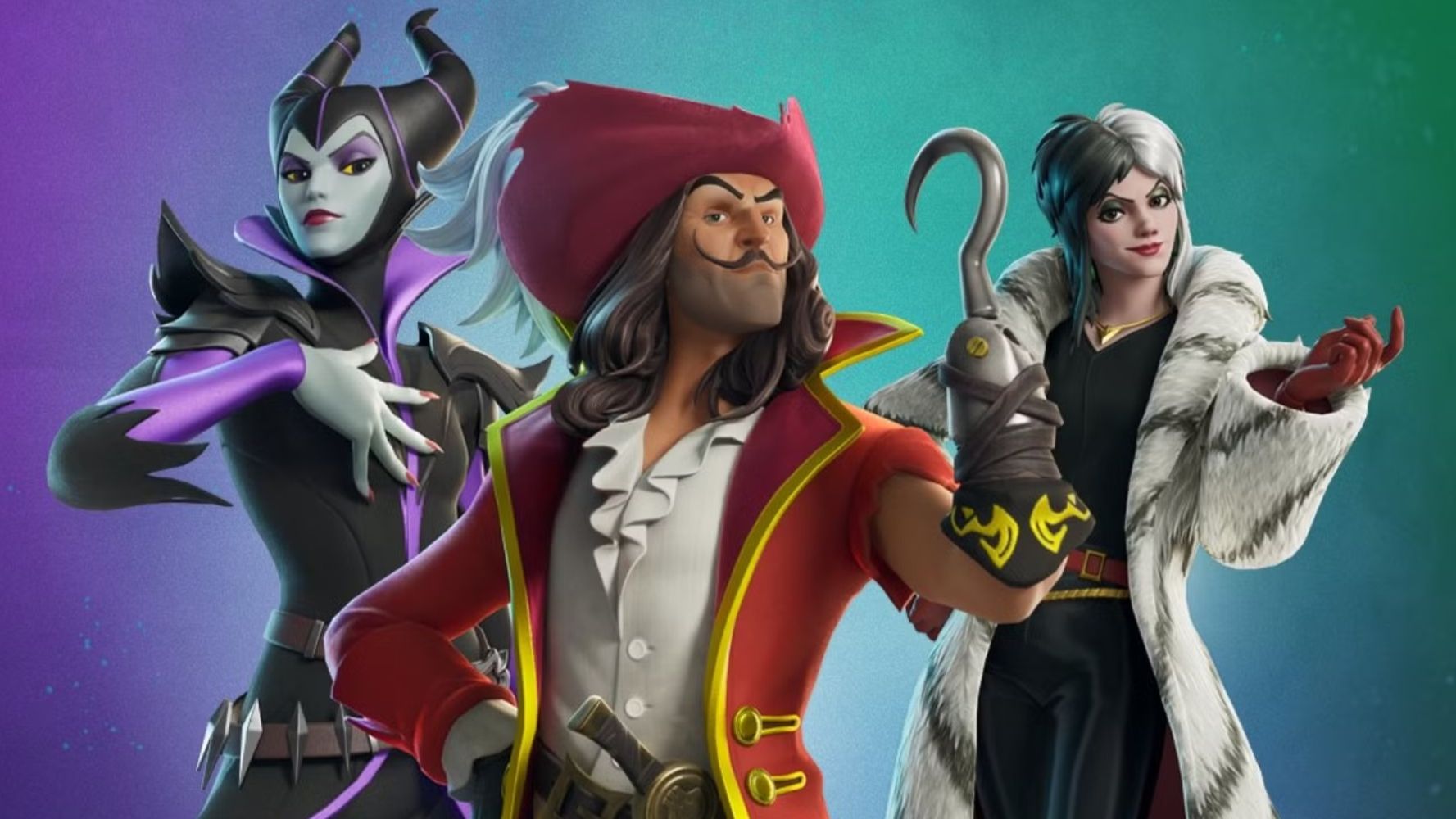
Epic Games has added AI-generated voices and personas to 36 existing Fortnite characters, including Agent Jones and The Imagined, for use in the Unreal Editor for Fortnite (UEFN). The voices, powered by Google's Gemini AI, let island creators incorporate these recognisable characters as interactive, speaking NPCs, extending the "conversations" system Epic first unveiled in April. This matters because it marks a major publisher formally embedding AI-generated voice performances into a mainstream game, raising fresh concerns about the technology's impact on voice actors' livelihoods.
The performances were recorded by independent professional actors specifically to train voice models for these LLM-powered characters, and Epic says it will now approach guilds and the original Fortnite Battle Royale voice cast about making their voices available across the wider ecosystem. The conversations feature, which lets NPCs respond to player speech and remember prior interactions, leaves its experimental phase on 30 July, after which creators will be able to publish islands using it. Fortnite has faced AI controversy before, notably when an AI-voiced Darth Vader was manipulated by players into swearing before Epic patched the issue.
In short
- Epic adds Gemini-powered AI voices to 36 Fortnite characters for creator islands
- Conversations feature exits experimental status and becomes publishable from 30 July
- Move follows April's AI Darth Vader controversy and worries voice actors
Steelman: both sides, in good faith
The strongest fair case each way — we don't pick a winner.
The case for
This technology democratises game development by enabling smaller studios and island creators to craft immersive, interactive experiences without requiring expensive professional voice actors. Epic Games engaged professional performers to record the initial voice models, demonstrating respect for the craft, and has committed to consulting industry guilds and the original voice cast about compensation arrangements, suggesting a measured approach to balancing technological innovation with fair creator remuneration.
The case against
AI voice generation threatens the voice acting profession by providing an infinitely reproducible alternative that requires no ongoing performer involvement or compensation once trained. Whilst professional actors recorded the initial training material, the technology risks normalising AI replacement of human performers across the industry, and vague commitments to consult guilds may prove insufficient to prevent systematic displacement of specialised voice work that deserves fair compensation and proper working conditions.
Explained simply
Fortnite is one of the world's most played video games, with a mode that lets players build their own custom islands and experiences using development tools. This has created a thriving community of creators who make fan-made content within the game.
Artificial intelligence can now generate realistic human voices by learning from existing recordings. Voice actors have expressed concerns about this technology, worried that it could be used to create performances that replicate their work without permission or payment.
The video game industry has begun experimenting with AI-generated content, but large-scale adoption in major mainstream games has been limited so far. This development is significant because it shows how major publishers are starting to integrate the technology into their platforms.
AI Entertainment Gaming Technology