Technology news and discussion on TalkFuse.
Ericsson trials mobile network technology to track low-flying drones
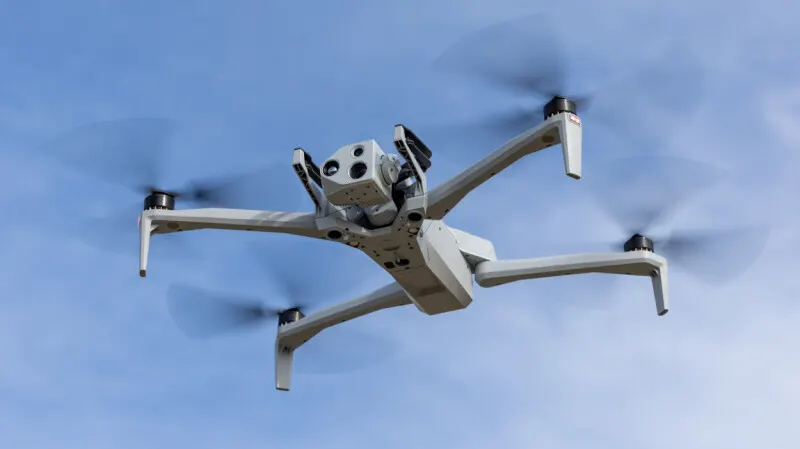
Ericsson says its Integrated Sensing and Communication technology can use mobile networks to detect and track low-flying drones. Turning existing network coverage into a distributed sensor could help address growing security concerns around drones near airports, military bases and other sensitive sites.
The system analyses radio signals reflected from drones and received at multiple mobile sites to locate and follow them. Ericsson says trials with AT&T in Arlington, Texas, and Finland’s Erillisverkot detected and tracked multiple drones. Small sensing-only pilots with selected customers are planned for 2027, with broader deployments from 2028; the technology needs specialised radio hardware, computing and software, and is intended to complement radar.
In short
- Ericsson plans to add drone tracking to mobile networks.
- Trials detected and followed multiple drones.
- Pilots are planned for 2027, with broader deployments from 2028.
Steelman: both sides, in good faith
The strongest fair case each way — we don't pick a winner.
The case for
Using mobile networks to detect drones could add coverage in places where dedicated radar is limited, helping authorities identify potential risks near airports and other sensitive sites. Reusing existing network infrastructure may make detection more widely available, while complementing radar rather than replacing it.
The case against
Expanding network sensing raises questions about privacy, oversight and how detection data might be used beyond drone monitoring. The system also requires specialised hardware and computing, and its effectiveness in real-world conditions remains to be established; investment and confidence may be better directed towards proven, purpose-built detection systems.
Explained simply
Mobile networks carry calls and data between devices using radio signals sent from sites such as masts. Ericsson is a telecommunications equipment company; it is developing a system that analyses how those signals bounce back from objects, using readings from several sites to estimate where an object is moving.
Drones are small aircraft that can be flown remotely or follow programmed routes. Their use near airports, military bases and other sensitive locations has prompted interest in ways to detect them, while radar remains a dedicated tool for tracking aircraft.
Ericsson’s system is designed to add a sensing role to mobile networks, but it requires specialised equipment and computing. The company has reported trials with AT&T in Texas and Finland’s Erillisverkot, and says the technology is intended to work alongside radar.
Read the full article at the source →
Originally published by The Register as “Ericsson says it can detect, track drones using only mobile networks”.