World news and discussion on TalkFuse.
Errors in virtual simulation of ‘fatal mower crash’ cheating husband is accused of faking are exposed in court – as expert is grilled over 3cm mistake: ‘Rounded down’
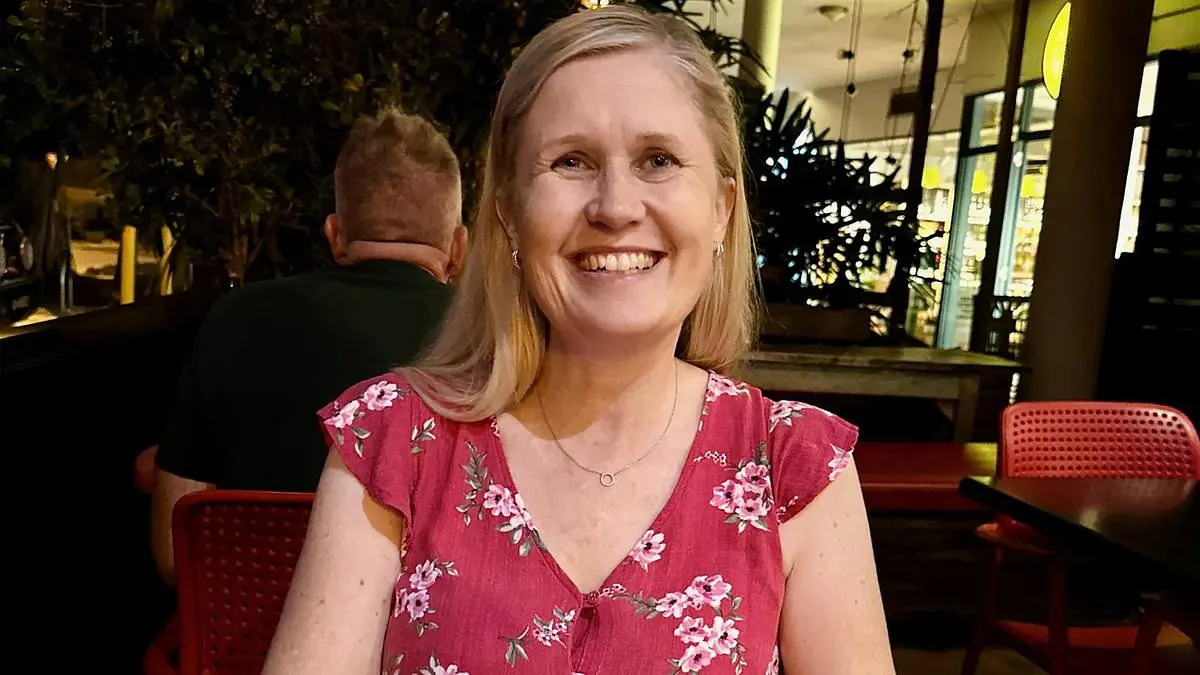
Robert John Crawford is on trial in Brisbane, accused of strangling his wife, Frances, and staging her death as a ride-on mower accident. A biomechanics expert told the jury that computer simulations made it very unlikely the mower would have come to rest on her as Crawford has claimed, though the defence highlighted errors in the simulation.
The expert, Professor David Ackland, accepted that Frances’s height was entered three centimetres too short and that the simulated wall angle differed from his report. Police tests found the mower’s maximum reverse speed on concrete was 1.09 metres per second; the only simulated scenario that placed her body 1.8 metres from the wall required the mower to travel forwards at its maximum speed of 2.4 metres per second, without her head hitting a rock. Crawford denies murder and says his wife died in an accident.
In short
- A court heard a mower crash simulation contained errors.
- The expert said the mower was unlikely to have landed on Frances Crawford.
- Robert Crawford denies murdering his wife.
Steelman: both sides, in good faith
The strongest fair case each way — we don't pick a winner.
The case for
The prosecution can argue that the simulations, alongside the physical tests, make Crawford’s account of an accidental mower death highly unlikely: the scenario matching the body’s position required a speed and direction inconsistent with the mower’s measured reverse performance. The expert’s central conclusion may still be informative despite acknowledged input errors, particularly if those errors do not materially change the result.
The case against
The defence can argue that a simulation’s conclusions are only as reliable as its inputs and assumptions, and that the height and wall-angle errors raise questions about how carefully the model reflects the scene. The reported scenario also depended on specific conditions, including forward travel at maximum speed and avoiding a rock, so the jury should be cautious about treating it as conclusive evidence against Crawford’s account of an accident.
Explained simply
Robert John Crawford is on trial in Brisbane over the death of his wife, Frances. Prosecutors allege he strangled her and staged the scene to look like a ride-on mower accident; he denies murder and says her death was accidental.
A biomechanics expert, Professor David Ackland, used computer simulations to assess how the mower might have moved and where Frances’s body could have ended up. The case turns partly on whether the physical evidence fits Crawford’s account, and how much confidence the jury can place in the expert analysis and its assumptions.
The jury must weigh that evidence alongside the other material presented at trial before deciding whether the prosecution has proved its case.