World news and discussion on TalkFuse.
Estonia warns of growing Russian hybrid threats, to close remaining road border crossings
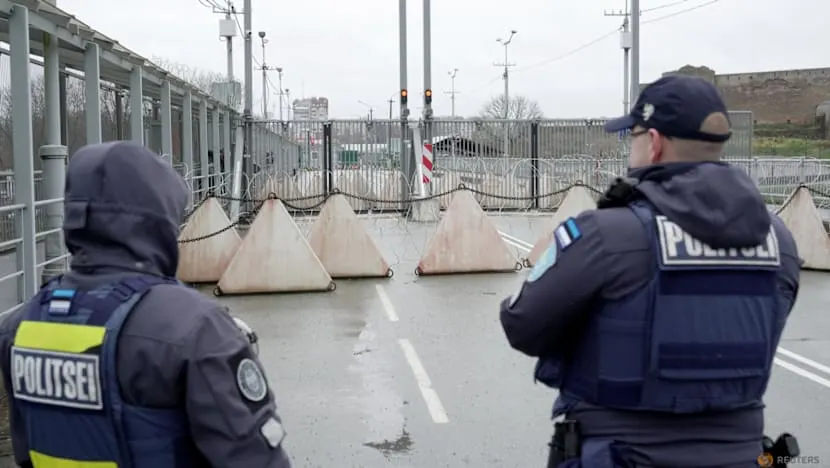
Estonia will close its three remaining road border crossings with Russia from 1 December for at least six months, citing security concerns and alleged Russian-linked arson attempts against defence firms. The decision reflects Estonia’s concern about hybrid threats, which can disrupt or destabilise the country without a conventional military attack.
The article describes the Saatse Boot, a 115-hectare section of Russian territory that once forced drivers on a local road to pass briefly through Russia; Estonia closed that route in October 2025 after armed Russian personnel were seen nearby. Officials report near-daily jamming of surveillance drones and have blamed Moscow for an August arson attack on Milrem Robotics and a thwarted attempt on Threod Systems on 14 November. Russia denies involvement and has threatened political and diplomatic measures.
In short
- Estonia will shut its three remaining road crossings with Russia for at least six months.
- Officials cite alleged arson attempts against two defence companies.
- Drone jamming and the Saatse Boot underscore wider border concerns.
Steelman: both sides, in good faith
The strongest fair case each way — we don't pick a winner.
The case for
Estonia can argue that repeated drone jamming, armed Russian personnel near a road through its territory and alleged attacks on defence firms point to a sustained security risk. Temporarily closing the crossings could reduce opportunities for interference and protect residents and critical infrastructure while authorities assess the threat.
The case against
Critics can argue that closing the remaining road crossings for at least six months imposes real costs on border communities and restricts ordinary movement without publicly conclusive evidence tying the alleged arson attempts to Russia. They may favour targeted security measures and transparent evidence-sharing, warning that broad restrictions could heighten tensions while doing little to deter covert activity.
Explained simply
Estonia shares a border with Russia and is a member of both the European Union and Nato. The two countries have become increasingly wary of each other since Russia’s full-scale invasion of Ukraine in 2022, and Estonia has tightened controls along its eastern border.
Hybrid threats are actions that can unsettle a country without a conventional military attack, such as interference with technology or suspected sabotage. Estonia says surveillance drones have been disrupted by jamming and has linked arson attempts at defence companies to Russia; Moscow denies involvement.
The Saatse Boot is a small area of Russian territory that a local Estonian road once crossed, requiring drivers to pass briefly through Russia. Its closure followed reports of armed Russian personnel nearby, illustrating the security concerns around travel and infrastructure close to the border.