World news and discussion on TalkFuse.
Ethanol plant worker caught with bomb files, batteries, map in plot that could have killed thousands: feds
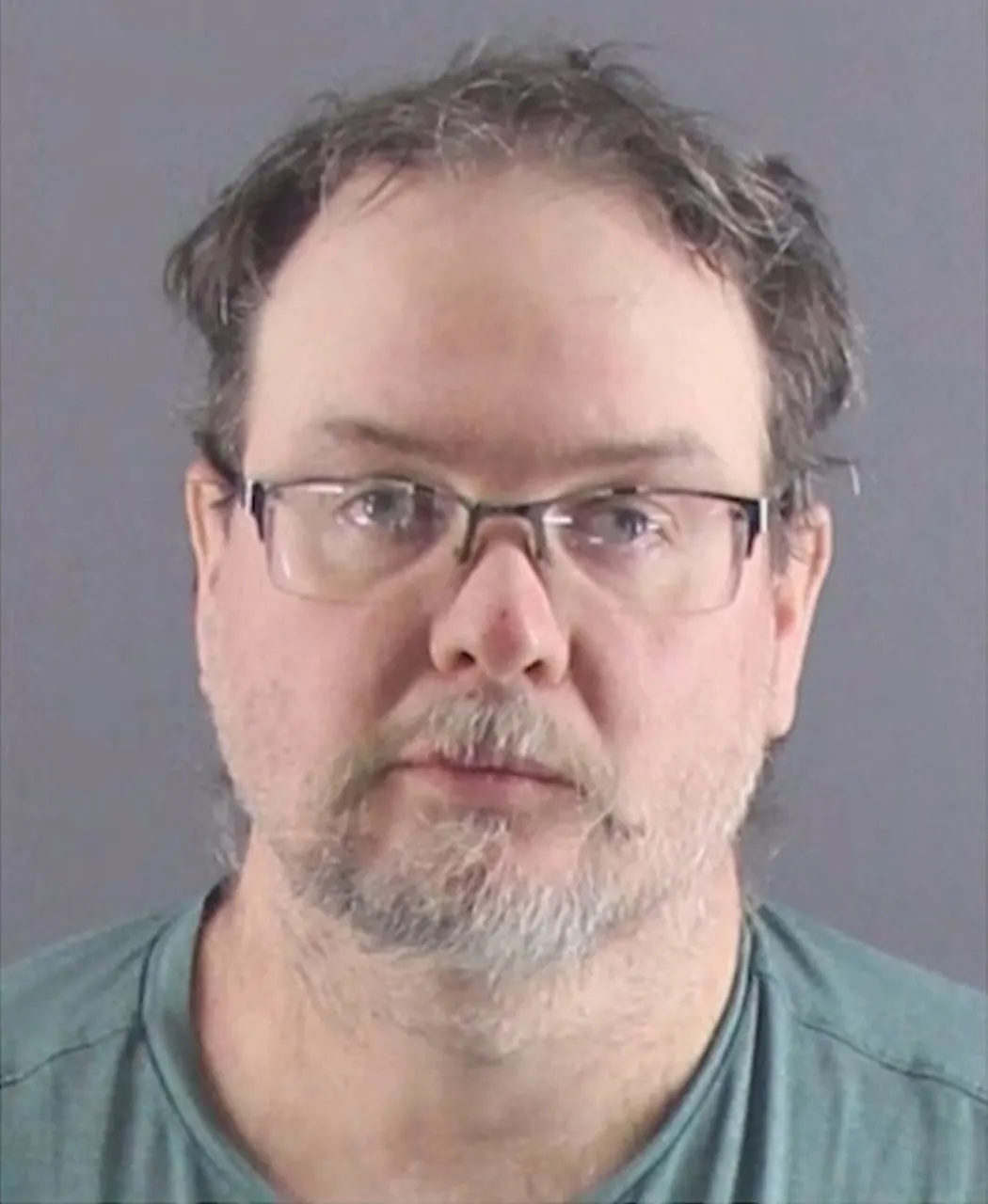
Andrew M. Kozak, an Illinois ethanol plant worker accused of emailing a bomb threat to his workplace, will remain in custody until trial. Prosecutors say evidence found at his home and in his vehicle links him to materials resembling parts of a working explosive discovered at the plant, which a judge said could have killed people and caused major damage.
The threat on 13 November prompted about 2,500 homes and businesses within a one-mile radius of the BioUrja Renewables plant to evacuate for nearly 24 hours. Investigators found batteries, copper sheeting, wiring and tape, along with a hard drive containing bomb-related files and a map of the facility; they also cited internet searches and security footage linking Kozak to the threat email. His public defenders said the items were ordinary household materials and argued prosecutors had not proved he built or planted the device; he is currently charged with making threats.
In short
- Kozak will remain in custody until trial.
- A bomb threat led to nearly 24 hours of evacuations.
- His lawyers dispute that the seized items prove he built or planted a device.
Steelman: both sides, in good faith
The strongest fair case each way — we don't pick a winner.
The case for
Prosecutors can argue that the threat, the materials resembling components found at the plant, bomb-related files, facility map and other investigative evidence together suggest a serious risk and justify keeping Kozak in custody while the case proceeds. Given the evacuation and the judge’s assessment of the potential danger, they may say community safety outweighs release before trial.
The case against
The defence can argue that the listed items are common household materials and that possessing bomb-related files or a map does not prove Kozak built or planted an explosive. Since he is currently charged with making threats, not an explosives offence, they may contend that detention should not substitute for proof at trial and that any risks could be managed through conditions of release.
Explained simply
Ethanol is a fuel made from crops such as corn, and plants that produce it handle large amounts of flammable material. BioUrja Renewables is an ethanol plant in Illinois, where a reported bomb threat led to nearby homes and businesses being evacuated.
Andrew M. Kozak worked at the plant and is charged with making threats. Prosecutors say items found at his home and in his vehicle resemble materials discovered at the plant, while his public defenders argue they are ordinary household items and say there is no proof he built or placed a device.
The case centres on what the evidence shows and whether Kozak was involved in a threat that prompted a large evacuation. A judge has ordered him held until trial; he has not been convicted.