Ethernet cables can do more than just improve home internet
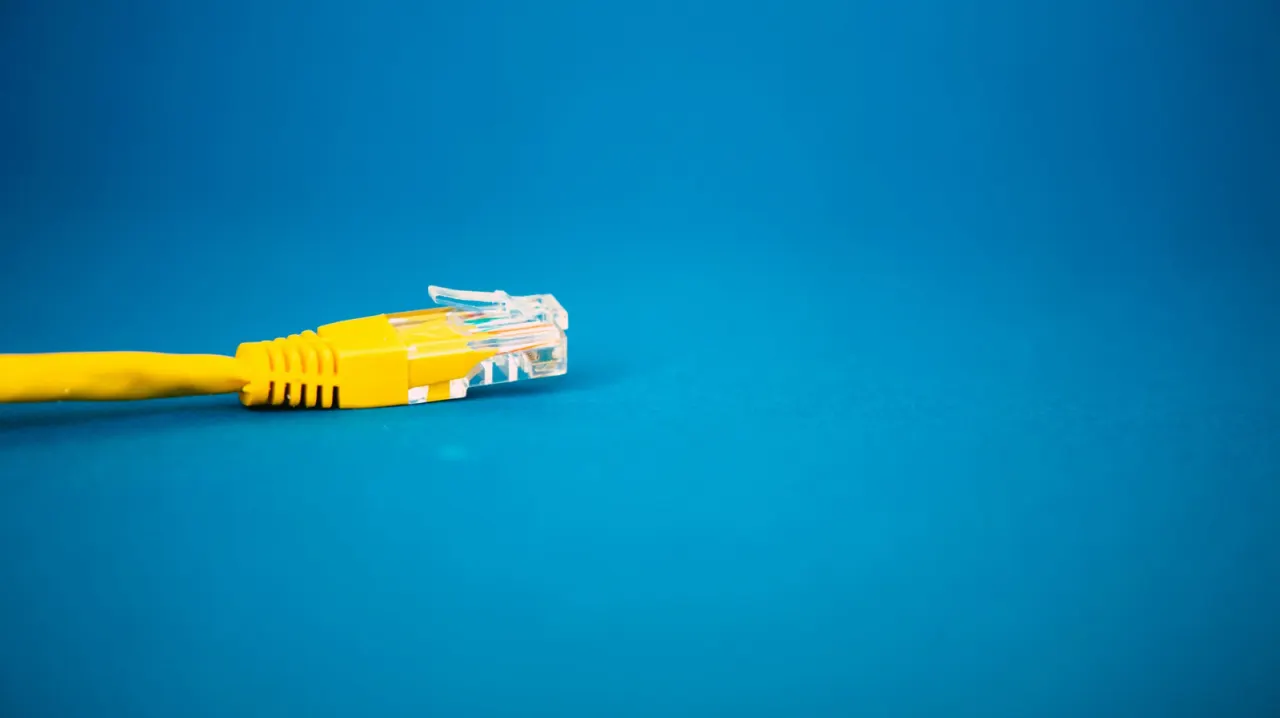
Ethernet cabling can carry more than network data: with suitable equipment, it can also transmit video, audio and electrical power. These uses can help make use of existing wiring or reach devices far from a router or power socket, though category cable is not always the best choice.
For long-distance video, HDMI extenders send a signal over Cat5e, Cat6 or similar cable; the cable itself is not providing Ethernet networking. Category cable can also carry several analogue audio channels, potentially replacing multiple runs, while Power over Ethernet (PoE) combines data and power for devices such as cameras and Wi-Fi access points. PoE requires compatible equipment and sufficient power, and is described as a practical standard; the audio and video uses are more specialised, with alternatives such as XLR or optical HDMI often preferable.
- Category cables can carry video, audio and power with suitable equipment.
- PoE powers and connects devices such as security cameras over one cable.
- Video and audio uses suit particular setups, not every installation.
New here? Start with this
Ethernet cables are a common type of network cable, often used to connect a router to computers and other devices. They come in categories such as Cat5e and Cat6, which describe different cable specifications.
With suitable equipment, the same kind of cable can carry video or audio signals, or deliver electrical power alongside data. Power over Ethernet is used for devices such as security cameras and Wi-Fi access points; video and audio connections over category cable usually need specialist adapters.
These options can help connect equipment over longer distances or make use of wiring already in place. The cable is not always the best fit: the right choice depends on the devices, distance and signal, and some uses have alternatives such as optical HDMI or XLR cables.