Ethernet splitter vs switch: What’s the difference and how do you use them?
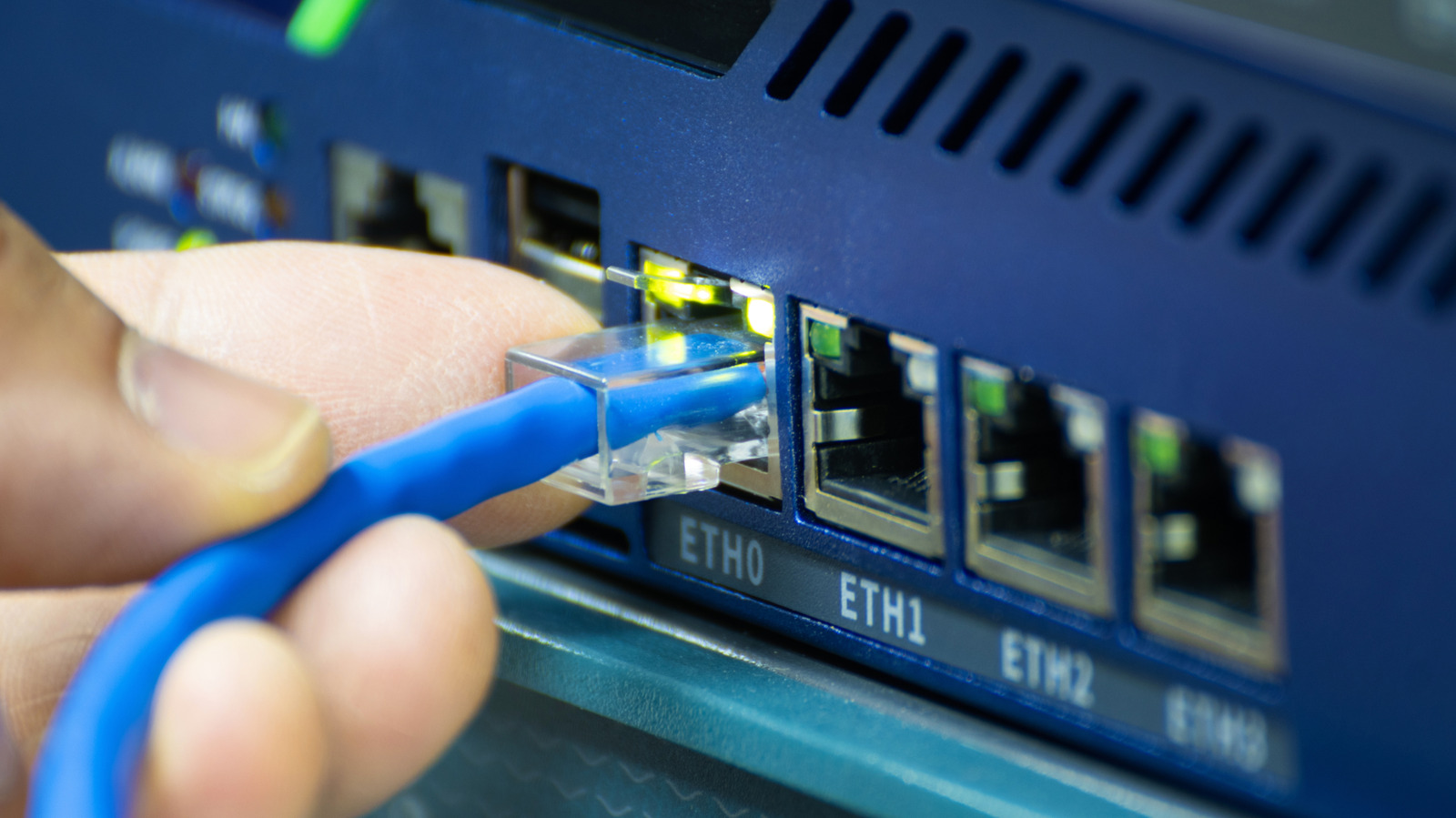
Ethernet splitters and switches both let multiple devices share a single Ethernet cable run, which is useful when a second cable cannot be run to a router, but the two technologies work very differently and are not interchangeable in most cases. Understanding the distinction matters because choosing the wrong device can severely limit network speed or simply fail to work, so it is worth knowing what each option actually does before buying.
Passive Ethernet splitters are cheap, unpowered devices that merely rearrange the four twisted copper pairs inside a Cat5e-or-better cable into two two-pair connections, capping speeds at 10/100Mbps and requiring two splitters (one at each end) to function at all. Active or powered splitters contain genuine switching hardware, effectively acting as compact switches that support full gigabit speeds through a single extra port, though bandwidth is still shared between connected devices. For anyone needing more than one or two extra ports, a conventional network switch offers greater flexibility, supporting anywhere from a handful to dozens of RJ45 ports at a similar price to an active splitter.
- Passive splitters are cheap but limited to slow 10/100Mbps speeds
- Passive splitters need two units, one at each cable end
- Active splitters and switches support full gigabit speeds
- Switches offer more ports for future network expansion