World news and discussion on TalkFuse.
EU budget proposal keeps Ukraine funding unchanged as cost of Russia’s war rises
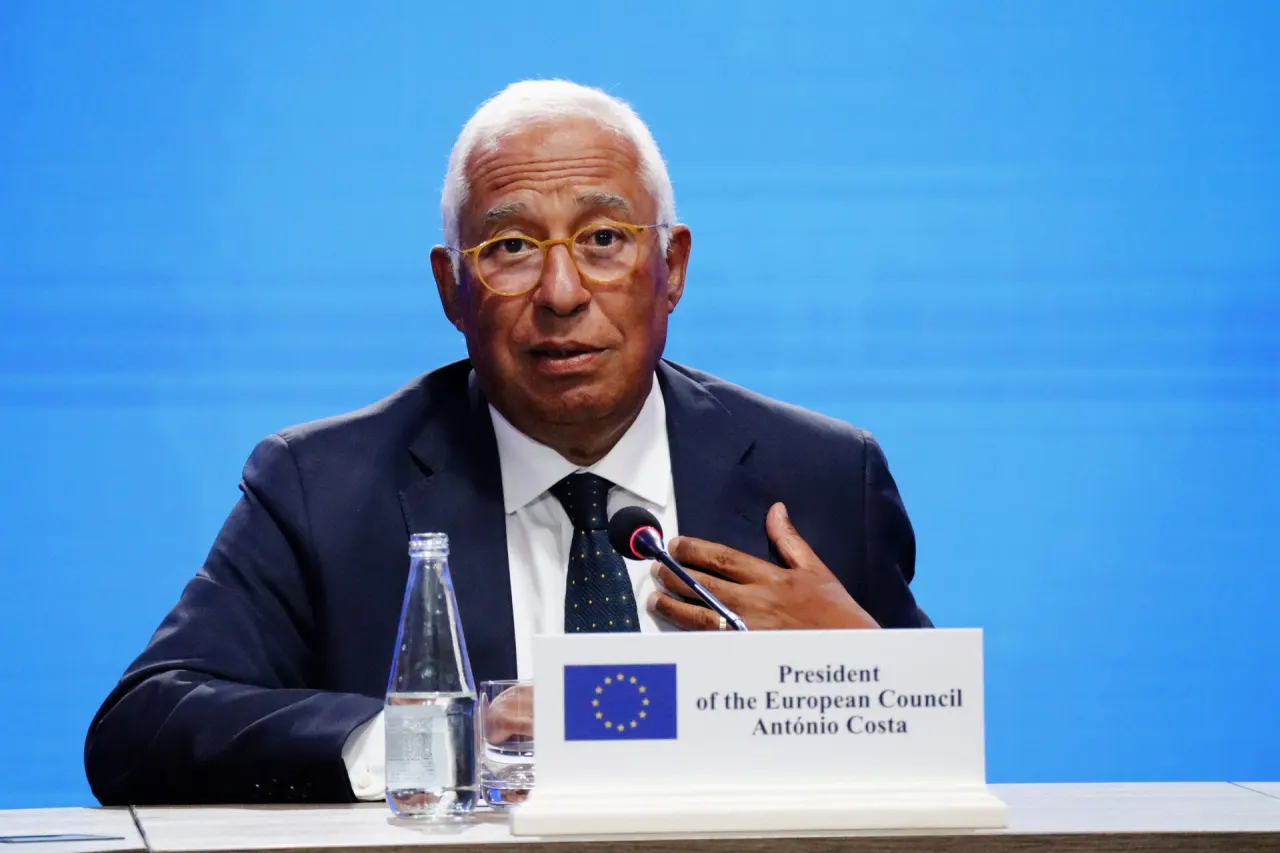
The European Council’s proposal for the EU’s 2028–2034 budget keeps planned support for Ukraine at its existing level, despite the rising cost of Russia’s war. EU leaders are due to discuss the proposal on 26–27 November, as member states work towards agreement by the end of 2026.
The allocation is €89 billion in 2025 prices, or €100 billion adjusted for inflation, but it would not cover even one year of Ukraine’s projected wartime spending. Ukraine expects to spend €211 billion in 2027 and faces a forecast €70 billion funding gap next year, despite existing pledges and an approved €90 billion loan. The European Commission has proposed a further €45 billion loan; interest on the two loans together is expected to exceed €6 billion a year. A longer-term financing plan remains uncertain, while using frozen Russian assets faces opposition and other EU budget funds could be redirected only by reducing support for other priorities.
In short
- The EU’s proposed long-term Ukraine allocation remains unchanged.
- Ukraine faces a projected €70 billion funding gap next year.
- A lasting financing plan remains uncertain.
Steelman: both sides, in good faith
The strongest fair case each way — we don't pick a winner.
The case for
Keeping Ukraine funding at the existing level could be defended as a way to preserve a substantial, predictable commitment while EU governments negotiate a long-term budget amid competing demands. Supporters may argue that the proposed loans and existing pledges provide additional help, while further commitments should depend on a sustainable financing plan and agreement among member states.
The case against
Holding support unchanged risks leaving Ukraine with a large funding gap as the war’s costs rise, weakening its ability to sustain defence and essential public services. Critics may argue that the EU should increase or secure longer-term support now, since uncertainty over future financing could undermine Ukraine’s resilience and Europe’s commitment to its security.
Explained simply
The European Union is made up of 27 member countries, which agree a shared long-term budget to fund common priorities. The European Council, where national leaders meet, sets the broad direction for that budget; the European Commission proposes how it should be organised, and member states must reach agreement.
Ukraine has relied on foreign aid and loans to help pay for public services and the costs of defending itself since Russia launched its full-scale invasion in 2022. EU governments have pledged support, but Ukraine’s needs are expected to remain much greater than the sums currently identified.
How the EU raises and allocates money matters both to Ukraine and to other countries and programmes that depend on the shared budget. Governments also differ over whether frozen Russian state assets can be used to help fund Ukraine, leaving the longer-term approach unsettled.