Business news and discussion on TalkFuse.
EU proposes package of Russian sports sanctions, visa bans, and a Krygyzstan crypto blockade
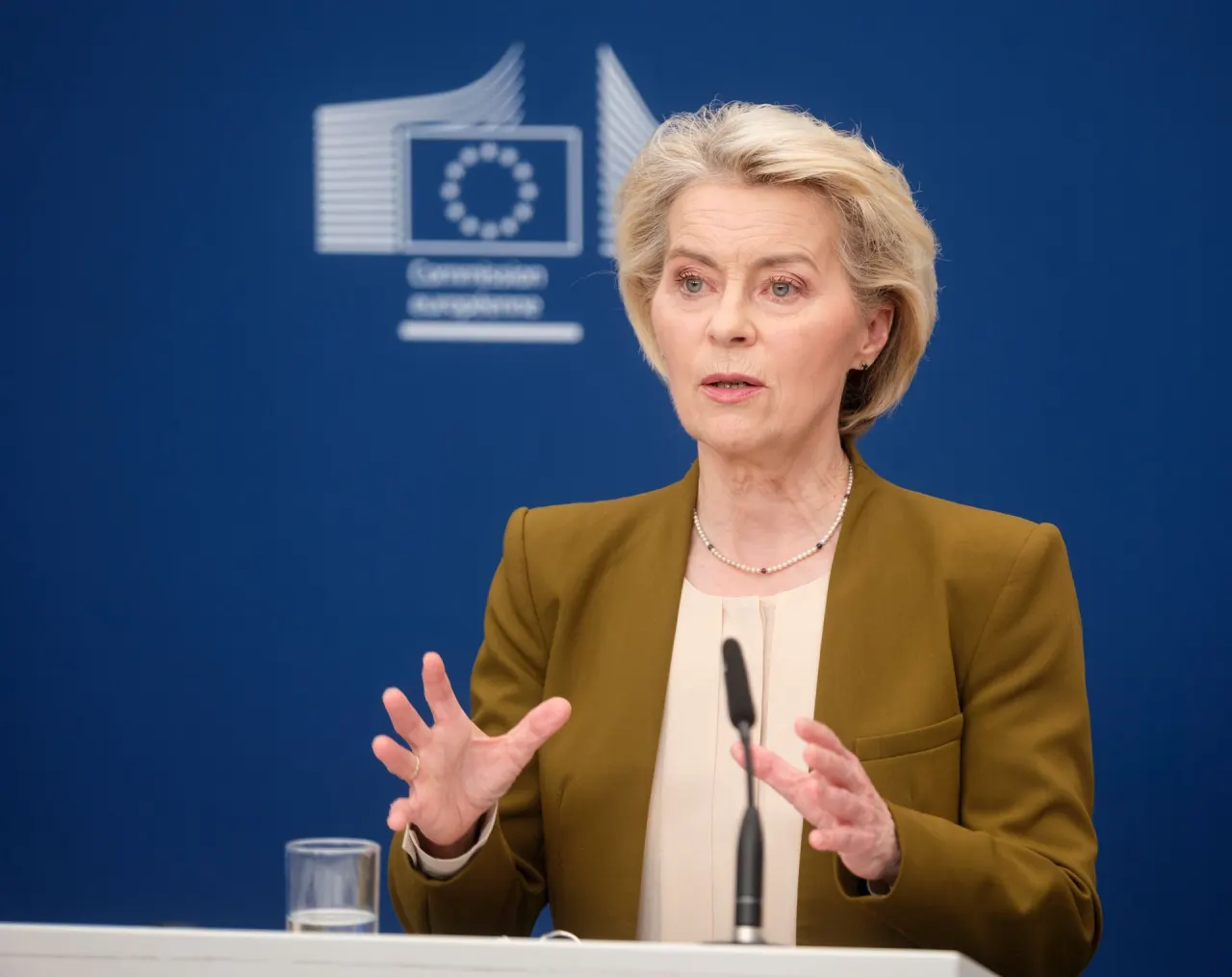
The European Commission has proposed the EU’s 22nd sanctions package against Russia, targeting its use of sport to rebuild its public image, the entry of former combatants and tourists, and cryptocurrency networks used to evade sanctions. President Ursula von der Leyen said the bloc would keep proposing sanctions until Russia showed genuine intent to secure lasting peace in Ukraine.
The sports measures include barring Russian symbols at events, restricting Russian nationals from European sports bodies, and enabling countries to refuse visas to athletes and teams representing Russia. The proposal also aims to help EU countries identify and deny entry to former Russian combatants, while allowing tourist entry only in substantiated individual cases. On crypto, the Commission plans action against Kyrgyzstan under a mechanism agreed in the previous package for broad bans on countries whose platforms undermine EU sanctions; the article says Kyrgyzstan has been dismissive of EU efforts to change its approach.
In short
- The EU has proposed its 22nd Russia sanctions package.
- Measures target sports, former combatants, tourists and crypto.
- Kyrgyzstan could face broad restrictions over sanctions evasion.
Steelman: both sides, in good faith
The strongest fair case each way — we don't pick a winner.
The case for
Supporters could argue that sanctions are a non-military way to sustain pressure on Russia while it continues its war in Ukraine. Restricting state-linked sporting visibility, screening former combatants and limiting tourist entry could reduce opportunities for propaganda or security risks, while action against crypto networks in Kyrgyzstan could close routes for evading existing measures. They may see coordinated restrictions as justified if they remain targeted and are lifted when Russia takes credible steps towards peace.
The case against
Critics could argue that broad restrictions risk punishing people for their nationality or association rather than their individual conduct, including athletes and ordinary travellers, and may weaken sport’s role in keeping people connected across political divides. They may also question whether measures aimed at Kyrgyzstan unfairly affect its businesses and citizens for Russia’s actions, particularly if the criteria or evidence are unclear. In their view, sanctions can entrench hostility and should be narrowly targeted, proportionate and subject to clear review.
Explained simply
The EU has used sanctions—restrictions on trade, travel and financial activity—as part of its response to Russia’s full-scale invasion of Ukraine. The European Commission proposes new measures, which EU member states must agree before they can take effect.
Russia’s role in international sport has been disputed since the invasion, with restrictions affecting its symbols, officials and teams. EU countries also have national powers over visas and border entry, including decisions about admitting visitors and people with military backgrounds.
Cryptocurrency can move money across borders, and the EU says some platforms may be used to get around sanctions. Kyrgyzstan is a country in Central Asia; the EU has a mechanism for restricting access to its market when a country’s crypto platforms undermine EU sanctions.
Business Crypto Europe Geopolitics Politics World