EU proposes slowing down cuts to carbon emissions for businesses
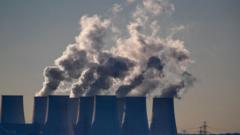
The European Union has proposed relaxing its carbon emissions trading system (ETS) for businesses, giving industries more time to reduce their carbon output than originally planned. The move, announced by the European Commission, softens a key climate policy tool and comes after criticism from member states such as Italy, which has argued the scheme functions as a de facto tax that has kept energy prices artificially high.
Under the changes, some industries could receive free emission allowances until 2038 rather than 2034, provided they commit to decarbonisation investment, with 80% of permits issued upfront and the remainder released once investments are made. The Commission also plans to slow the annual reduction in the emissions cap, from the current 4.3% to around 3.7% from 2031 and 1.7% from 2036. The proposals, which still require approval from EU states and lawmakers and could take a year to pass, drew a mixed response: Poland's climate minister welcomed the softened approach and vowed to push for further concessions, while Green politicians warned it risked worsening climate pollution, against a backdrop of record-breaking heat across Europe this year.
In short
- EU proposes giving businesses longer to cut carbon emissions under ETS reform
- Free permits could run until 2038 instead of 2034 for some industries
- Poland welcomes the softer stance; Greens warn of increased climate pollution
Steelman: both sides, in good faith
The strongest fair case each way — we don't pick a winner.
The case for
The case for a more measured approach recognises that rapid emissions cuts risk imposing unsustainable economic burdens on energy-intensive industries and member states, potentially driving manufacturing and jobs to regions with weaker climate standards—ultimately proving counterproductive to global emissions goals. A gradually extended timeline paired with binding investment commitments allows businesses to develop and deploy genuine decarbonisation technologies sustainably rather than face impossible compliance deadlines, balancing climate ambition with the economic viability and social stability necessary for enduring climate action across the EU's diverse economies.
The case against
The case for maintaining the original pace reflects the scientific consensus that climate change demands urgent action now, not later—Europe's record-breaking temperatures demonstrate the crisis is already accelerating beyond projections. Relaxing caps now effectively defers the heaviest emissions reductions to future decades, squandering the critical present window for climate action and allowing industries to indefinitely postpone costly but necessary transitions that should already be underway given the magnitude and imminence of climate risks.
Explained simply
The European Union has a carbon emissions trading system that requires large industries to pay for the right to pollute. The scheme was created to incentivise companies to reduce their carbon dioxide emissions, with costs rising over time to encourage faster environmental improvements.
The system has become politically contentious because it affects different EU member states in different ways. Industrial countries worry about rising energy costs and competitiveness, whilst others prioritise meeting climate targets. This tension between economic and environmental goals has created ongoing disagreements about how quickly the system should push businesses to decarbonise.
The debate over how strict the rules should be matters because the EU's emissions trading system is a major tool for achieving its climate goals. Changes to its pace and scope will significantly affect both European industries' ability to compete globally and the continent's progress towards reducing carbon pollution.
Business Climate Europe Markets Science World