EU names 46 raw materials projects to cut reliance on imports
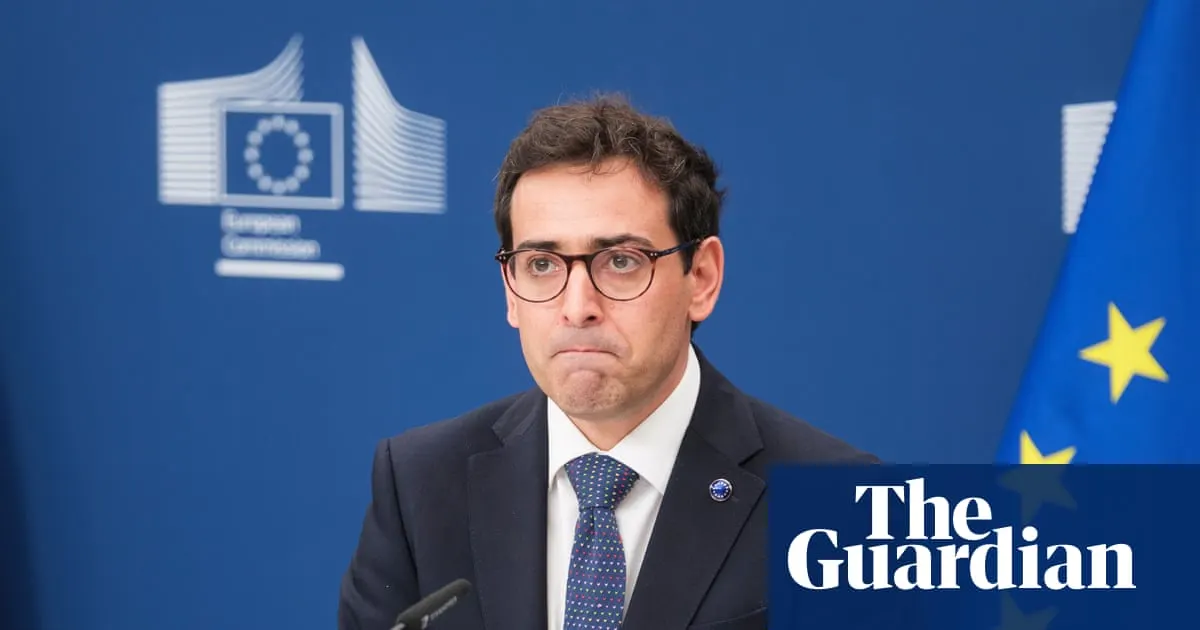
The EU has named 46 new strategic projects to expand supplies of critical raw materials by 2030, as it prepares for possible trade tensions with China. The materials are important to the bloc’s car, defence and renewable energy industries, and the initiative is intended to reduce reliance on foreign suppliers.
The projects, including lithium, gallium and rare earths facilities, have an estimated funding cost of €21bn, but strategic status does not provide direct funding. It can speed up permits and help attract finance: member states have unlocked €1bn for six projects, while the European Investment Bank has provided €660m for eight. The EU aims by 2030 to mine 10%, process 40% and recycle 25% of its needs, though industry groups have questioned whether current support is sufficient.
- The EU backed 46 critical minerals projects amid possible trade tensions with China.
- Projects aim to help meet 2030 supply targets.
- Strategic status speeds permits and helps mobilise finance, but does not provide direct funds.
New here? Start with this
The European Union relies on imported raw materials such as lithium, gallium and rare earths for industries central to its economic and security interests. These materials are essential for manufacturing electric cars, defence equipment and renewable energy systems, and the EU's dependence on imports leaves it vulnerable to supply disruptions or export restrictions from trading partners.
Concerns have grown in recent years about the EU's reliance on foreign suppliers, particularly as tensions with China have increased. China controls significant portions of global supplies of critical raw materials, which has prompted the EU to seek alternatives and reduce its vulnerability to potential trade disputes.
To address this, the EU is pursuing a strategy to expand its own supplies through mining, processing and recycling of critical materials. It has identified 46 strategic projects with an estimated cost of €21 billion, with the aim of meeting 10% of mining needs, 40% of processing needs and 25% of recycling needs domestically by 2030.
Both sides, in good faith
The strongest fair case each way — we don't pick a winner.
The case for
The EU faces a genuine strategic vulnerability through dependence on imports—particularly from China—of critical raw materials essential to defence, automotive, and renewable energy industries. These 46 projects represent necessary investment in building domestic capacity for mining, processing, and recycling, with the 2030 targets providing achievable milestones towards genuine European autonomy. The €21bn investment, whilst substantial, is justified by the stakes involved in maintaining technological independence and preventing potential weaponisation of supply chains during trade disputes.
The case against
Whilst supply chain vulnerability deserves attention, the EU's €21bn investment in 46 strategic projects may represent an inefficient approach that diverts substantial public resources from more flexible alternatives. Market-driven solutions and supplier diversification across multiple countries, rather than building new domestic capacity at potentially uncompetitive costs, might better address vulnerability. The environmental costs of expanded mining operations, uncertain return on investment, and questions about whether 2030 targets are realistic all suggest this approach risks creating economically dependent facilities requiring indefinite subsidies rather than sustainable competitive advantage.
Art Asia Business Culture Europe World
Read the full article at the source →
Originally published by The Guardian as “EU ‘pulling out all stops’ with minerals projects as it tries to avert China trade war”.