World news and discussion on TalkFuse.
EU ramps up pressure on Burnham for MORE concessions as ‘surrender summit’ looms tomorrow – with UK warned it must join single market for better trade
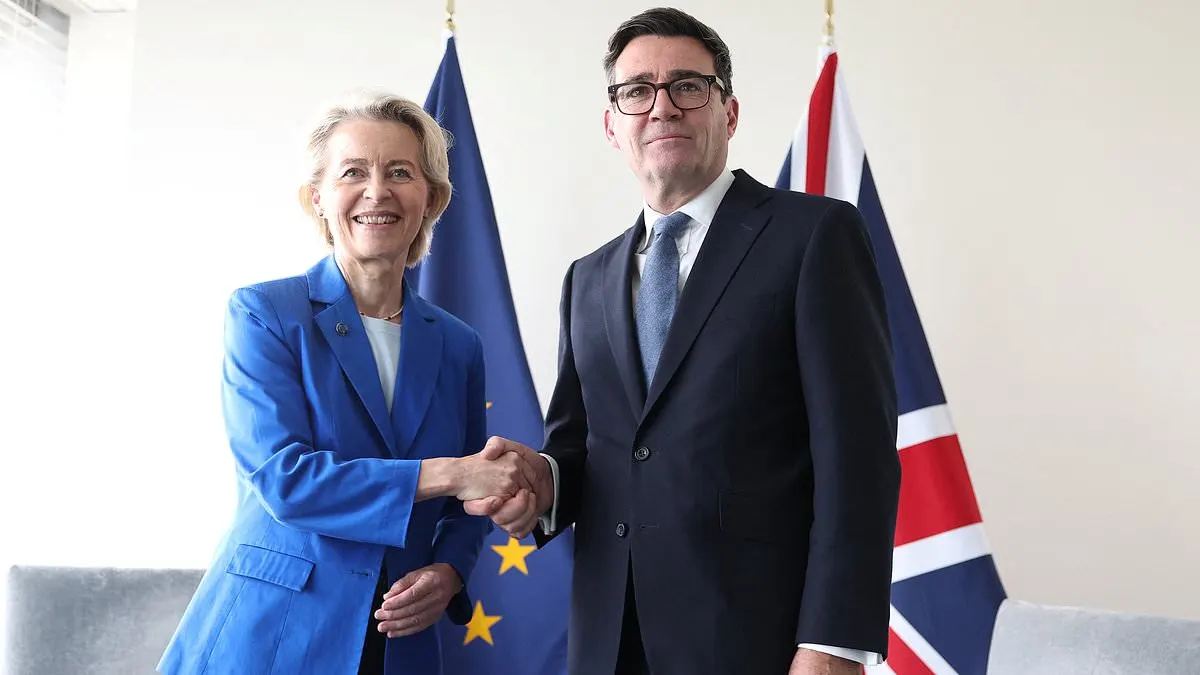
Prime Minister Andy Burnham faces pressure to make further concessions in a proposed reset with the EU, with negotiations continuing before his meeting with European Commission president Ursula von der Leyen in Brussels. The package could ease trade in food and electricity, but would require the UK to follow EU rules in some areas; the terms matter because they could affect migration, public spending and Britain’s future ability to set its own regulations.
The proposed youth scheme could allow up to 100,000 EU nationals to live and work in the UK for up to three years, while tuition-fee discounts for EU students could cost up to £485 million annually. The UK is expected to align with EU food and agricultural rules in exchange for fewer export checks, and contribute tens of millions of pounds a year to infrastructure projects for access to the bloc’s electricity market. Burnham says unpublished Treasury analysis forecasts a £12 billion GDP boost over a decade; some longer-term questions may be deferred until next year, and EU leaders are said to want single-market rules for further trade benefits.
In short
- EU-UK reset talks continue before Burnham’s Brussels meeting.
- Proposed youth scheme could cover up to 100,000 people a year.
- Further trade benefits may require the UK to follow single-market rules.
Steelman: both sides, in good faith
The strongest fair case each way — we don't pick a winner.
The case for
Supporters could argue that closer alignment with EU rules would reduce checks and costs for food exporters and improve access to electricity trade, while a youth mobility scheme could strengthen personal and economic ties. If the Treasury forecast is sound, the expected growth could outweigh the annual costs, and making targeted concessions may secure practical benefits without settling every longer-term question now.
The case against
Critics could argue that the proposed scheme, student-fee discounts and infrastructure contributions create substantial public costs, while the scale and timing of the claimed economic gains remain uncertain. Following EU rules to obtain trade benefits could also limit the UK’s ability to set its own regulations, and further movement towards single-market requirements might deepen that constraint without a clear guarantee of commensurate gains.
Explained simply
The UK left the EU’s single market after Brexit. Since then, goods traded between the UK and EU have faced more checks and paperwork, while both sides have set their own rules in areas such as food and farming.
The UK government and the European Commission, the EU’s executive body, are discussing ways to make trade and energy links easier. The proposals could involve the UK following some EU rules and paying towards shared projects; they also raise questions about work and study opportunities for young people, public costs and the UK’s freedom to set regulations.
The single market allows goods, services, money and people to move more freely between EU countries under common rules. Closer access could affect how easily UK businesses trade with the bloc, while the terms would shape the balance between economic benefits and the UK’s control over its own policies.
Europe Geopolitics Politics UK World