Culture news and discussion on TalkFuse.
EU trade deficit with China tops €1bn a day in July
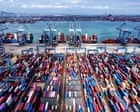
The EU is importing far more from China than it exports there, with the bloc’s trade deficit exceeding €1bn a day in July. The widening imbalance is increasing pressure on Brussels to address trade relations with Beijing, as both sides seek to avoid a broader trade war.
The deficit reached €36.5bn in July, compared with €32.2bn a year earlier, while the January–July total rose to €234bn. For every €1 of goods exported to China, the EU imported €3.10; possible responses include quotas on Chinese hybrid vehicles and chemicals, whose imports have grown sharply. Chinese exports and rare-earth restrictions are also expected to feature in upcoming US-China and EU-China talks.
In short
- EU imports from China now outpace exports by more than three to one.
- July’s trade deficit exceeded €1bn per day.
- Brussels is considering quotas and further negotiations.
Steelman: both sides, in good faith
The strongest fair case each way — we don't pick a winner.
The case for
The growing deficit may indicate that EU industries are losing ground in sectors where Chinese imports have surged, raising concerns about jobs, industrial capacity and dependence on a major supplier. Supporters of a firmer response argue that targeted measures, if based on evidence and applied consistently, could address unfair competition and give European producers room to compete while preserving leverage in negotiations.
The case against
A trade deficit alone does not show that trade is unfair or harmful: European consumers and businesses may benefit from competitively priced imports, while EU exports to China can still support jobs and investment. Opponents of quotas or other restrictions argue that retaliation could raise costs, disrupt supply chains and escalate into a broader trade war, so Brussels should favour negotiation and address specific rule violations rather than the imbalance itself.
Explained simply
The European Union is a group of countries that share a single market and negotiate some trade matters together. China is one of its major trading partners, and goods such as vehicles and chemicals move between them.
A trade deficit means one side buys more goods from the other than it sells in return. The EU’s figures reflect trade in goods, rather than services, and can be affected by what each side produces and by demand from businesses and consumers.
EU governments and the European Commission shape the bloc’s trade policy, while China’s government sets policy for its own economy. Their decisions matter to companies and workers that depend on cross-border trade, and disputes over trade measures can affect prices and supply chains.
Art Asia Business Culture Europe Geopolitics Politics Research Science Software Technology World
Read the full article at the source →
Originally published by The Guardian as “EU spends three times more on imports from China than bloc exports there”.