Business news and discussion on TalkFuse.
Europe plans to catch the next computer chip wave
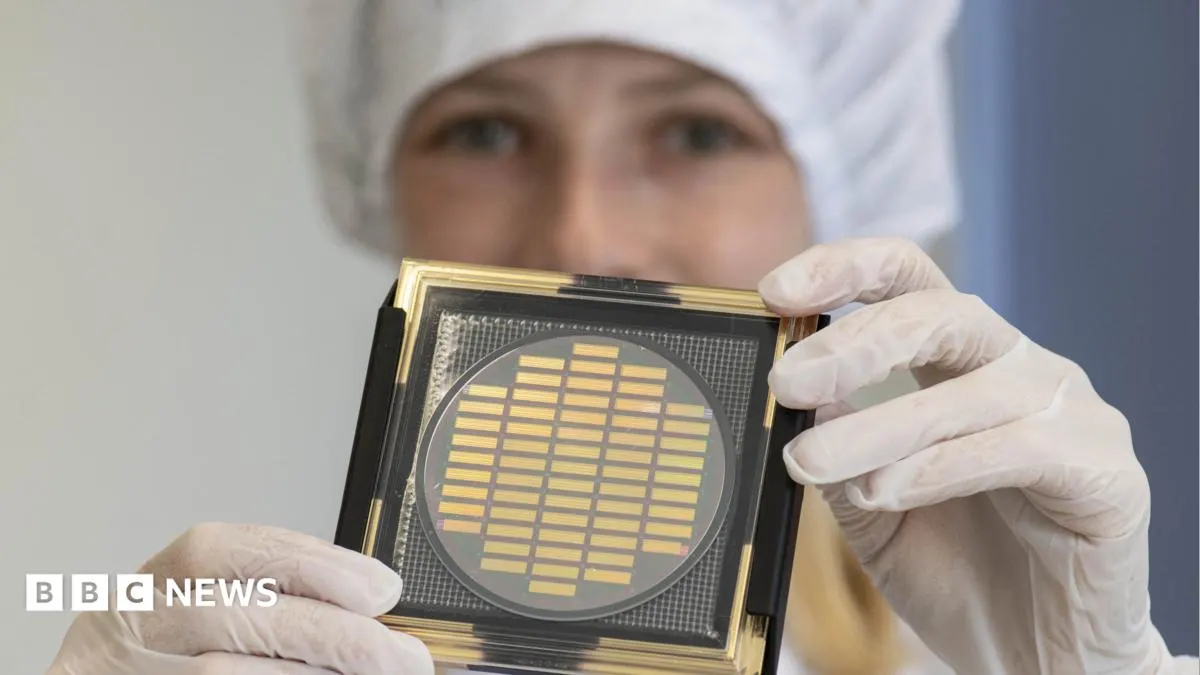
European researchers and manufacturers are investing in photonic chips, which use light rather than electrical signals to process data. They could be faster and more energy-efficient than today’s chips, giving Europe a chance to build up manufacturing capacity in a sector dominated by US, Taiwanese and Chinese firms.
The EU has committed €400m to the PIX Europe programme, which aims to make the region a leader in photonic integrated chips. In Eindhoven, TNO is building a 10,000-square-metre factory to produce six-inch indium phosphide wafers; it is due to open fully in 2030. The pilot line is intended to help move the technology from research into industrial production, using equipment and processes similar to those for conventional chips.
In short
- Photonic chips use light and could cut energy use.
- The EU is investing €400m to build European capability.
- A Dutch pilot factory is expected to open in 2030.
Steelman: both sides, in good faith
The strongest fair case each way — we don't pick a winner.
The case for
Investing in photonic chips could help Europe turn strong research into manufacturing expertise in a technology that may process data faster and use less energy. EU funding and shared production facilities could help firms test and scale new designs, build regional supply chains and reduce reliance on chipmaking concentrated elsewhere.
The case against
The investment is a costly bet on technology whose commercial uses and ability to compete with established chips are still uncertain. A factory due to open fully in 2030 may take years to deliver returns, while funding and industrial capacity could instead support technologies with clearer near-term demand or other priorities.
Explained simply
Computer chips process information by moving signals through tiny components. Most use electrical signals, while photonic chips use light; researchers are exploring whether this can make data processing faster and use less energy.
The European Union is supporting efforts to develop and manufacture these chips through a programme called PIX Europe. In Eindhoven, the research organisation TNO is building a factory for indium phosphide wafers, a material used to make photonic chips.
Chip production is concentrated in companies and regions in the United States, Taiwan and China. Building European manufacturing capacity could give the region a larger role in the industry and help move photonic chips from research towards production.